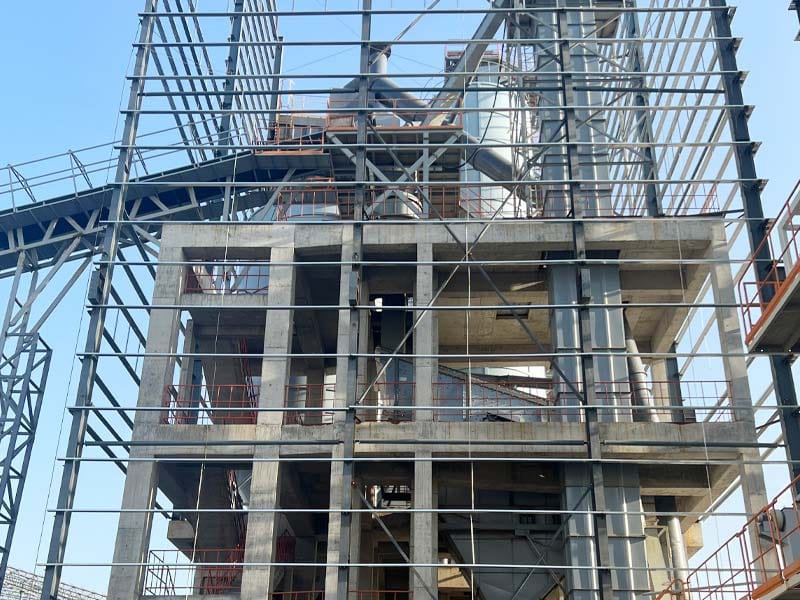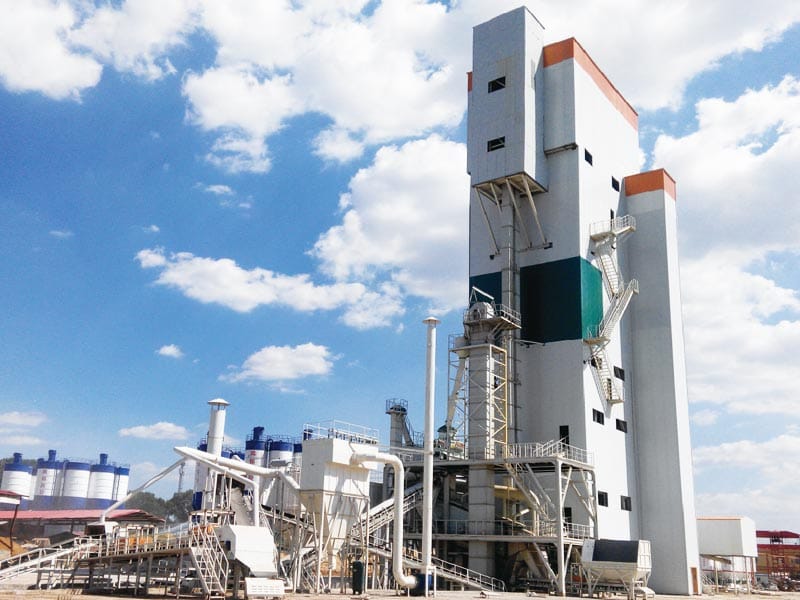
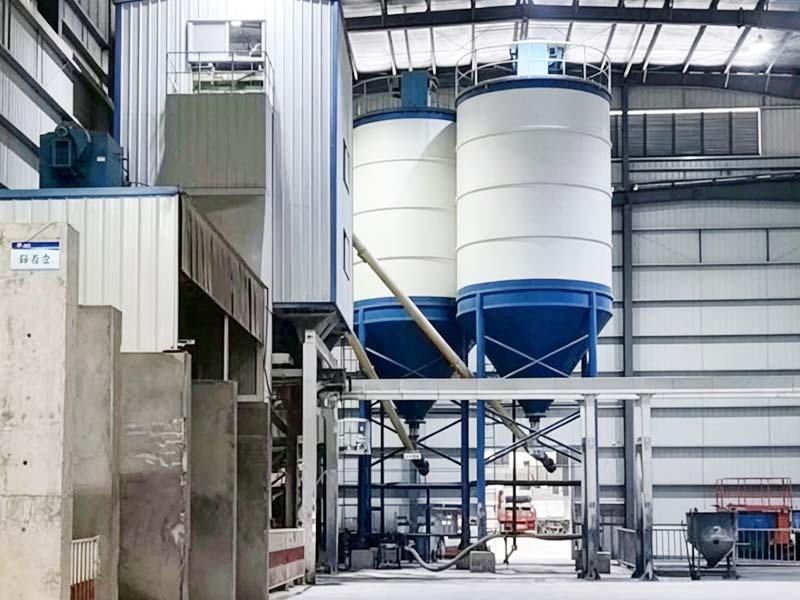
Το σκυρόδεμα του στρωτήρα σιδηροδρόμων παράγεται σε ένα εξαιρετικά επαναλαμβανόμενο προκατασκευασμένο περιβάλλον όπου η παρτίδα, η ανάμειξη, η μεταφορά, η χύτευση, η προένταση, η συμπίεση, .
Για τους αγοραστές εξοπλισμού, η επιλογή των εγκαταστάσεων θα πρέπει επομένως να ξεκινά με τη μέθοδο παραγωγής του στρωτήρα και όχι με έναν γενικό στόχο κυβικών μέτρων ανά ώρα Ο αριθμός των καλουπιών, ο όγκος σκυροδέμ.
Μας εργοστάσιο παρτίδας προκατασκευασμένου σκυροδέματος είναι ειδικά τοποθετημένο για προκατασκευασμένη παραγωγή, συμπεριλαμβανομένων στρωτήρων και χρησιμοποιεί πλανητική ανάμειξη, πολλαπλές πόρτες εκκένωσης, παρακολούθηση υγρασίας και θερμοκρασίας κα.
Γιατί το σιδηροδρομικό υπνωτικό σκυρόδεμα χρειάζεται συντονισμό παραγωγής-γραμμής
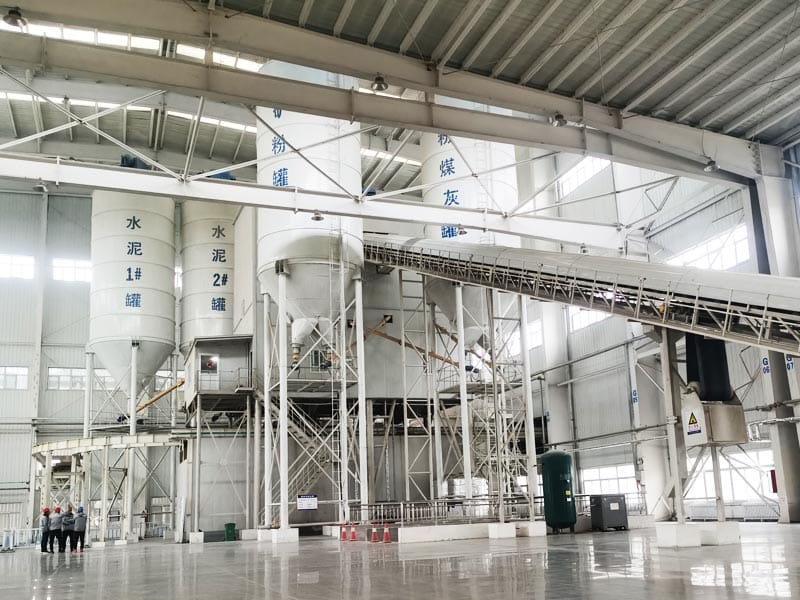
Οι στρωτήρες σκυροδέματος δεν παράγονται ως μεμονωμένες χύτευση Ένα εργοστάσιο συνήθως επαναλαμβάνει μια ελεγχόμενη ακολουθία σε πολλά καλούπια ή μακριές κλίνες παραγωγής.
Η μονάδα παρτίδας πρέπει να παραμείνει συγχρονισμένη με:
- προετοιμασία μούχλας;
- προένταση ή προετοιμασία ενίσχυσης;
- παράδοση σκυροδέματος;
- τοποθέτηση και ενοποίηση·;
- θεραπεία;
- απελευθέρωση ή απόσυρση;
- ξεκαθάρισμα;
- επιθεώρηση;
- αποθήκευση.
Ως εκ τούτου, το σκυρόδεμα στρωτήρα σιδηροδρόμων θα πρέπει να αντιμετωπίζεται ως μέρος μιας βιομηχανικής διαδικασίας παραγωγής και όχι ως σκυρόδεμα συνηθισμένου εργοταξίου.
Ξεκινήστε με τη μέθοδο παραγωγής Sleeper
Πριν επιλέξετε μια μονάδα παρτίδας, ορίστε πώς το εργοστάσιο παράγει στρωτήρες.
Σημαντικές ερωτήσεις περιλαμβάνουν
- Οι στρωτήρες είναι προεντεταμένοι?
- Χυτεύονται σε ατομικά καλούπια ή κρεβάτια με παραγάδι?
- Πόσοι στρωτήρες παράγονται ανά κύκλο?
- Ποιος όγκος σκυροδέματος απαιτείται ανά καλούπι ή ομάδα παραγωγής?
- Πώς μεταφέρεται το σκυρόδεμα από το μίξερ?
- Πώς ενοποιείται το σκυρόδεμα?
- Πώς ελέγχεται η θεραπεία?
Η διαμόρφωση της μονάδας σκυροδέματος στρωτήρα σιδηροδρόμων θα πρέπει να ακολουθεί αυτές τις απαντήσεις παραγωγής.
Προεντεταμένοι υπνοδωμάτια Προσθέστε άλλη μια διεπαφή ποιότητας
Οι δεσμοί προεντεταμένου σκυροδέματος βασίζονται στην αποτελεσματική μεταφορά δύναμης μεταξύ του οπλισμού προέντασης και του περιβάλλοντος σκυροδέματος.
Η έρευνα του FRA για τους σιδηροδρομικούς δεσμούς από σκυρόδεμα εξέτασε την ποιότητα του δεσμού οπλισμού, το μήκος μεταφοράς και τη συμπεριφορά του σύρματος προέντασης, επειδή αυτοί οι παράγοντες επηρεάζουν την απόδοση της.
Η μονάδα παρτίδας δεν ελέγχει την ποιότητα του σύρματος ή τη δύναμη προέντασης, αλλά η συνοχή του σκυροδέματος του στρωτήρα σιδηροδρόμου επηρεάζει το περιβάλλον του σκυροδέματος γύρω από αυτόν τον οπλισμό.
Η σταθερή παρτίδα συμβάλλει στη μείωση της περιττής διακύμανσης σε:
- εργασιμότητα;
- περιεκτικότητα σε νερό;
- θερμοκρασία σκυροδέματος;
- πρώιμη δύναμη;
- τελειωμένη πυκνότητα.
Καθορίστε τον όγκο σκυροδέματος ανά κύκλο παραγωγής
Το χρήσιμο ερώτημα παρτίδας δεν είναι μόνο ο ημερήσιος όγκος σκυροδέματος.
Υπολογίστε τη ζήτηση σκυροδέματος από τον κύκλο χύτευσης.
| Εισροή παραγωγής | Γιατί έχει σημασία |
|---|---|
| Όγκος σκυροδέματος ανά ύπνο | Καθορίζει τη βασική ζήτηση προϊόντων |
| Υπνοδωμάτια ανά κύκλο καλουπιού | Καθορίζει μία απαίτηση κύκλου χύτευσης |
| Αριθμός παράλληλων γραμμών καλουπιού | Καθορίζει τη συμπίπτουσα ζήτηση |
| Χρόνος κύκλου | Καθορίζει την απαιτούμενη συχνότητα παρτίδας |
| Βάρδιες ανά ημέρα | Defines sustained production demand |
Railway sleeper concrete batching should match the production rhythm rather than only the daily total.
Match Mixer Batch Size to the Mold Demand
If one mixer batch does not match the amount required by the active molds, the plant can create:
- leftover concrete;
- frequent partial batches;
- long waiting times;
- unnecessary recipe adjustments.
For railway sleeper concrete, compare:
- normal mixer batch size;
- concrete required by one mold group;
- minimum completion batch;
- transport bucket capacity.
The goal is to make one production cycle easy to divide into repeatable batches.
Small Completion Batches Need Separate Validation
At the end of a casting sequence, the final batch may be smaller than normal.
A mixer that performs well at full load may not provide the same mixing pattern at a much lower fill level.
Railway sleeper concrete commissioning should therefore include:
- normal production batch;
- small completion batch;
- uniformity checks;
- complete discharge;
- batch-record verification.
Planetary Mixing Can Fit Repetitive Precast Production
The MixingPlantPro precast batching plant uses a vertical-shaft planetary mixer. The mixing tools both rotate and revolve inside the mixing chamber, creating overlapping mixing paths.
For railway sleeper concrete, the relevant question is whether the mixer can repeatedly handle the approved mixture at the required batch sizes.
Validate with the actual:
- aggregate grading;
- binder system;
- περιεκτικότητα σε νερό;
- admixture package;
- όγκος παρτίδας;
- ακολουθία ανάμειξης.
Μας planetary vs twin-shaft mixer guide explains why mixer choice should follow the production process.
Do Not Assume Every Sleeper Uses the Same Concrete Consistency
Railway sleeper concrete can be produced with different workability ranges depending on mold design, consolidation method and approved mixture.
Some factories may use relatively stiff concrete with intensive vibration, while others may use more flowable mixtures.
The batching plant should therefore be selected around the actual approved fresh-concrete properties rather than a generic sleeper recipe.
Water Control Has a Direct Effect on Repetition
Small changes in total water can change fresh behavior and early-age development.
For railway sleeper concrete, total water should account for:
- added batch water;
- aggregate moisture;
- admixture water where relevant;
- other approved water sources.
Μας water dosing guide explains why every water source belongs in the same material balance.
Aggregate Moisture Correction Is Critical
Fine aggregate moisture can change quickly with weather, stockpile condition and loader operation.
If the batching system ignores that change, railway sleeper concrete can receive more or less total water than intended.
The plant should support:
- representative moisture measurement;
- wet aggregate correction;
- separate water correction;
- reference moisture testing;
- recorded correction values.
Μας οδηγός διόρθωσης υγρασίας συσσωματωμάτων explains this calculation logic.
Moisture Probes Need Reference Checks
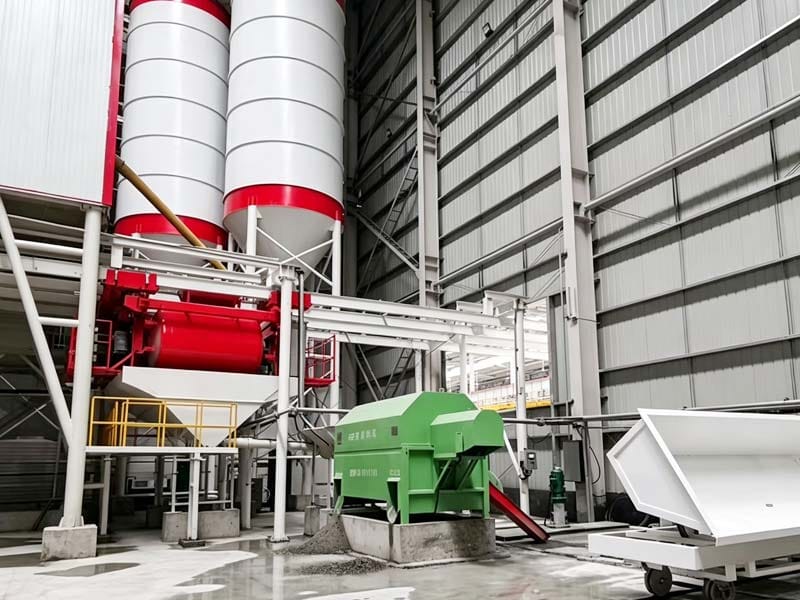
A moisture probe should not be trusted only because the displayed value appears stable.
Commissioning should compare probe readings with representative aggregate samples tested by an appropriate reference method.
For railway sleeper concrete, retain these checks as part of the production-quality baseline.
Aggregate Grading Should Stay Stable
Repeated sleeper production benefits from stable aggregate packing.
Changes in grading can affect:
- εργασιμότητα;
- paste demand;
- compaction response;
- surface finish;
- density.
Railway sleeper concrete production should therefore control stockpile separation, source changes and bin contamination.
Cementitious Material Dosing Needs Repeatability
The binder system can include cement and other approved cementitious materials.
For railway sleeper concrete, review:
- silo identification;
- weigh-hopper capacity;
- coarse/fine feeding;
- αποζημίωση υλικού κατά την πτήση·;
- complete hopper discharge.
Μας cement weighing guide explains why feeder behavior and scale accuracy should be evaluated separately.
Admixture Dosing Should Be Checked at the Actual Dose
Prestressed or high-performance concrete mixtures may use chemical admixtures at relatively small quantities.
For railway sleeper concrete, verify:
- ελάχιστη δόση παραγωγής·;
- κανονική δόση;
- pump or meter response;
- line integrity;
- εγγραφές παρτίδας.
Μας admixture dosing guide explains why the complete line from tank to mixer should be checked.
Concrete Temperature Should Be Recorded
MixingPlantPro’s precast plant includes moisture and temperature monitoring in its published configuration.
For railway sleeper concrete, temperature can be useful when reviewing:
- mix consistency;
- curing response;
- early-age strength development;
- seasonal production changes.
Temperature should be recorded with the batch rather than treated only as an occasional laboratory observation.
Curing and Batching Need a Common Production Plan
Railway sleeper factories often depend on controlled curing to support repetitive mold use.
The batching plant does not control the curing chamber directly, but it determines the initial concrete condition entering the mold.
Connect batch records with:
- casting time;
- curing start;
- curing program;
- release or detensioning time;
- strength test results.
Do Not Use Faster Batching to Justify Earlier Release
Production teams often want faster mold turnover.
However, early release or prestress transfer should follow the approved engineering and quality-control criteria.
Railway sleeper concrete consistency supports predictable strength development, but the batching plant does not establish the required release strength by itself.
Freeze-Thaw Durability Can Depend on Manufacturing Control
Recent FRA research on concrete railroad ties emphasizes that freeze-thaw durability is not controlled only by a nominal air-content number.
The relationship between fresh air content, consolidation and hardened air-void structure is mixture- and process-dependent.
For railway sleeper concrete used in freeze-thaw exposure, plant and factory quality control may need to trend:
- fresh air content where specified;
- θερμοκρασία σκυροδέματος;
- mixture consistency;
- consolidation process;
- hardened durability results.
Acceptance limits should come from the applicable project or railway specification.
Batching Cannot Be Separated from Consolidation
The same fresh concrete can behave differently under different vibration conditions.
For railway sleeper concrete, plant trials should therefore be evaluated together with the actual placing and consolidation process.
A batch that looks acceptable at the mixer outlet may not perform the same way after transport and vibration.
Transport Time from Mixer to Mold Matters
Concrete can be transferred by:
- rail bucket;
- overhead bucket;
- distributor;
- other factory-specific equipment.
For railway sleeper concrete, record:
- loading time;
- travel distance;
- χρόνος αναμονής;
- χρόνος εκφόρτισης·;
- return time.
Μας precast concrete transport guide explains why downstream transport can become the true production bottleneck.
Multiple Discharge Doors Can Serve Different Production Routes
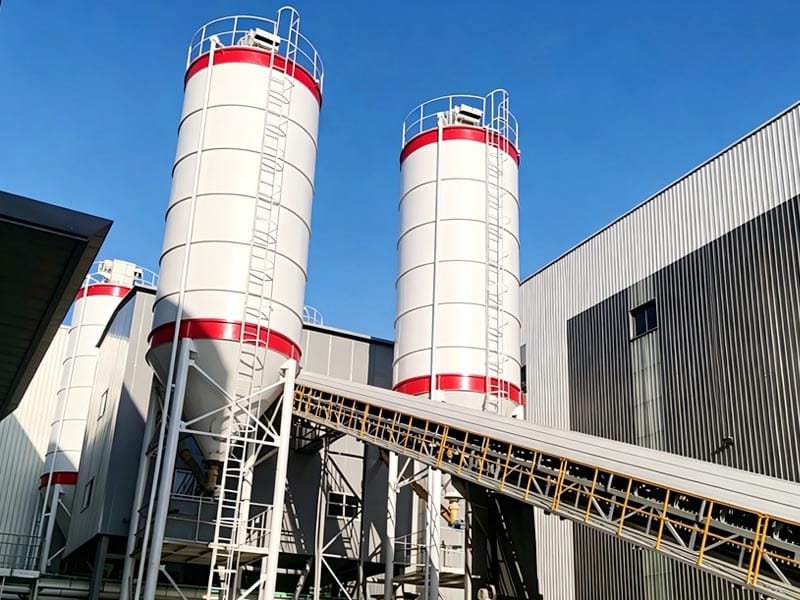
The MixingPlantPro precast batching plant uses multiple discharge doors.
For a railway sleeper factory, these can support different receiving routes or production lines where the project layout requires them.
Define:
- which outlet serves which receiver;
- receiver-ready confirmation;
- route priority;
- interlocks;
- fallback procedure.
Multiple outlets do not increase mixer capacity by themselves.
Production-Line Software Interfaces Should Be Defined Early
The published precast plant configuration includes production-line software integration.
For railway sleeper concrete, possible interface data include:
- mold or line ID;
- sleeper type;
- recipe request;
- μέγεθος παρτίδας;
- destination;
- batch completion;
- quality status.
The exact data map should be agreed during engineering rather than after installation.
Batch Traceability Should Reach the Sleeper Lot
A repetitive factory can produce many sleepers from the same recipe.
Batch records should make it possible to connect concrete production with the affected sleeper group.
| Batch field | Traceability purpose |
|---|---|
| Batch ID | Links the concrete to production records |
| Recipe revision | Confirms approved mix version |
| Actual material quantities | Supports batching review |
| Aggregate moisture | Explains water correction |
| Concrete temperature | Supports curing review |
| Production line or mold group | Links batch to sleeper lot |
High Repetition Makes Trend Analysis Valuable
Railway sleeper concrete production creates enough repeated data to detect process drift.
Trend:
- aggregate weights;
- binder weights;
- water;
- admixture;
- υγρασία;
- temperature;
- χρόνος ανάμειξης;
- fresh concrete tests;
- strength results.
A slowly changing trend can be more useful than waiting for one batch to fail an acceptance limit.
Recipe Changes Should Be Controlled
Factories may produce several sleeper designs or concrete mixtures.
Recipe changes should include:
- authorized revision;
- material confirmation;
- updated batch quantities;
- software synchronization;
- trial verification where required.
Railway sleeper concrete should not depend on unrecorded manual recipe edits.
Storage Capacity Should Cover Peak Casting Windows
Repetitive sleeper production can create sustained raw-material demand.
Size storage for:
- συγκεντρωτικά κλάσματα;
- cementitious materials;
- admixtures;
- water.
The required buffer should be checked against supplier delivery and peak shift demand.
Material Replenishment Should Not Interrupt Casting
If aggregate bins or cement silos repeatedly run low during the production cycle, the mold line can wait even though the mixer itself is available.
For railway sleeper concrete, compare:
- consumption rate;
- storage capacity;
- replenishment rate;
- peak uninterrupted production duration.
Maintenance Windows Should Follow the Factory Schedule
A mixer outage can stop an entire sleeper line.
Maintenance should be coordinated with:
- mold cleaning;
- curing periods;
- non-casting shifts;
- planned factory shutdowns.
Μας οδηγός συντήρησης μπετονιέρας explains key inspection areas for drives, discharge systems and wear components.
Commissioning Should Include the Real Sleeper Process
No-load testing proves only basic machine function.
Railway sleeper concrete commissioning should use the real raw materials and connect the batching plant to the actual production line.
Επαληθεύω:
- κανονική παρτίδα;
- small completion batch;
- moisture correction;
- δοσολογία νερού και πρόσμικτου.;
- mixing;
- transport to molds;
- casting rhythm;
- batch records;
- finished-product quality results.
Use Consecutive Production Cycles for Acceptance
One successful batch does not prove repeatability.
For railway sleeper concrete, use several consecutive batches and production cycles to confirm that:
- batch quantities remain stable;
- transport keeps pace;
- molds do not wait excessively;
- concrete properties remain within the approved range;
- records remain complete.
What Should Buyers Send for a Sleeper Plant Review?
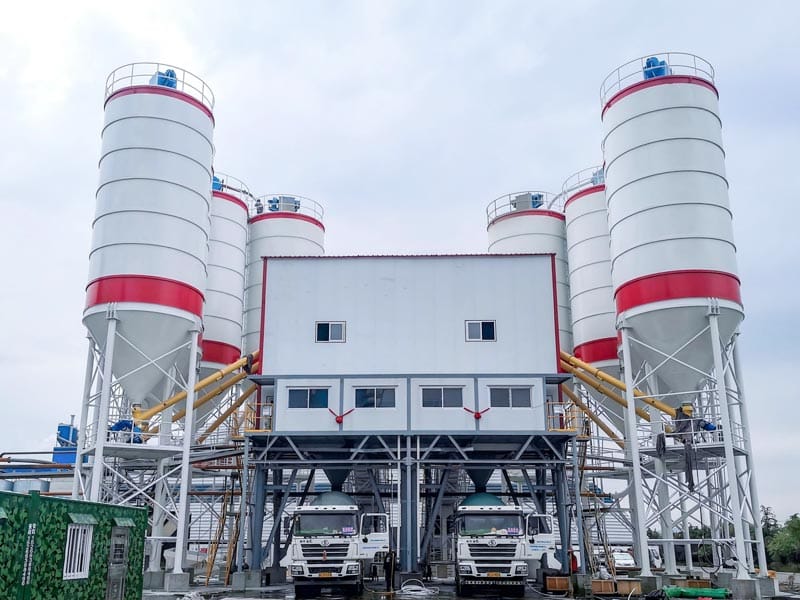
A useful railway sleeper concrete plant review needs the complete production plan.
Παρέχω:
- sleeper type;
- prestressed or reinforced design;
- concrete volume per sleeper;
- sleepers per cycle;
- number of production lines;
- κανονικό και ελάχιστο μέγεθος παρτίδας;
- target fresh-concrete properties;
- transport method;
- curing process;
- production schedule;
- software-interface requirements.
Μας προκατασκευα can then be configured around the actual sleeper factory workflow rather than a generic precast output figure.
Send your sleeper product data and production schedule through our σελίδα επικοινωνίας for an application review.
Συμπέρασμα
Railway sleeper concrete production requires a batching plant that can deliver repeatable batches at the exact rhythm of the precast line. Mixer size, moisture correction, water and admixture dosing, transport, curing interfaces and traceability should all be reviewed together.
The strongest selection process starts with the sleeper mold cycle and works backward to the batching system.
When the plant is commissioned with the actual materials, transport equipment and production schedule, buyers can evaluate real factory performance rather than relying only on a theoretical batching capacity.
ΣΥΧΝΈΣ ΕΡΩΤΉΣΕΙΣ
What batching plant is suitable for railway sleeper concrete?
A precast-focused plant with repeatable weighing, reliable mixing, moisture correction, suitable batch sizes, transport integration and production traceability is typically required.
Why is moisture correction important for concrete sleepers?
Aggregate moisture changes the actual water entering each batch. Correcting wet aggregate mass and separate batch water helps keep the total mixture proportions more stable.
Is a planetary mixer suitable for sleeper production?
Planetary mixers are commonly used in precast production, including the MixingPlantPro precast plant. Suitability should still be confirmed with the actual sleeper mixture and batch-size range.
Should batching records be linked to individual sleepers?
They should at least be traceable to the relevant production lot, mold group or sleeper batch so quality issues can be connected to the concrete production record.
What information should I provide before selecting a sleeper batching plant?
Provide sleeper type, concrete volume, mold-cycle demand, batch sizes, concrete requirements, transport method, curing process, production schedule and software interfaces.