विषय-सूची
Sand sampling methods determine what a grading or moisture result actually describes. A laboratory can perform the calculation correctly and still produce a misleading production conclusion if the sample does not represent the material being evaluated. The plant should define the lot, sampling point and preparation method before comparing results or changing process settings.
This guide explains how a plant buyer or quality manager can specify that sampling system. It does not replace the test method or provide instructions for accessing operating machinery. Sampling equipment, access and collection procedures must be suitable for the site and approved by the responsible technical and safety teams. The objective is a reliable connection between a material decision and the sample used to support it.
Choose sand sampling methods for an identified lot
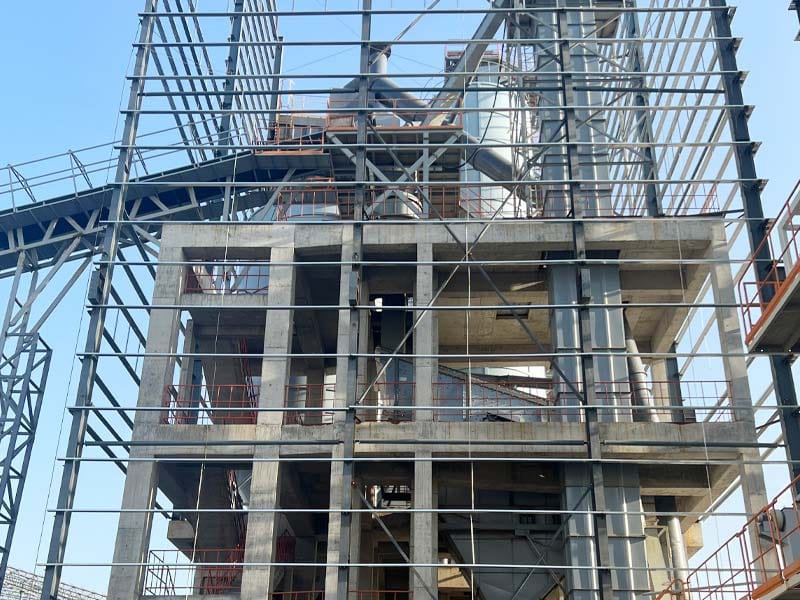
A lot may be a delivery, a production period or an identified quantity of finished material, depending on the quality plan. Sand sampling methods should describe that population explicitly. Without a lot definition, it is difficult to know whether one result applies to a truck, a stockpile or a complete shift of production.
Record the material source, intended fraction and relevant process route. If production changes feed source or operating condition during the period, the quality team should decide how that affects the lot boundary. A convenient calendar interval may conceal a meaningful material transition.
Keep lot identity separate from sample identity. Several samples can belong to one lot, and one composite can include several defined increments. The record should preserve those relationships instead of giving every container the same generic label such as “sand sample.”
Select the point that represents the decision
Receiving, process-control and product-release samples have different purposes. Sand sampling methods should use a point representative of the relevant decision. A sample from raw feed does not by itself verify the grading of the finished classified product, and a finished stockpile sample may include changes introduced after the production line.
Map useful points along the route: incoming material, screen or classifier output, a finished fraction, storage discharge and the material actually supplied to concrete or mortar production. The required points depend on the investigation. More samples are not automatically better if their identities and purposes are unclear.
When comparing points, account for the material's travel and residence time. Samples collected at the same clock time can represent different feed periods. Identify the batch, lot or process transition needed to relate them meaningfully. This prevents a normal transport delay from being misinterpreted as a processing fault.
Account for segregation in storage
Stockpiling and reclaim can change the distribution of particle sizes at different locations. Sand sampling methods need to recognize that a convenient surface sample may differ from material entering the plant. The quality team should select a suitable procedure for the stockpile arrangement and intended test.
Record the reclaim method and recent activity. A newly delivered pile, a partly reclaimed pile and a blended storage area can present different sampling problems. Note relevant rainfall or drainage conditions when moisture is part of the decision. The sample record should describe material condition, not merely a percentage result.
Do not use one isolated location to establish that an entire variable stockpile is uniform. If the quality plan requires several increments or another approved approach, preserve that procedure through collection and preparation. The laboratory should know how the sample was formed before interpreting the result.
Review conveyor sampling as an equipment interface
For a moving material stream, ask the supplier how an approved sampling arrangement can obtain representative material without exposing people to operating equipment. Sand sampling methods should be designed into access and equipment interfaces where routine collection is required. Improvised access is a poor substitute for a planned installation.
Discuss sampling location, maintenance, cleaning and sample identification with the equipment provider and quality team. A sampler should suit the material stream and the required procedure. It should also discharge into an arrangement that preserves the sample's identity and prevents contamination from earlier collections.
Specify the observations that accompany a process sample. Feed source, production condition, relevant equipment settings and collection time can help explain a grading change. A test result detached from those conditions may show that a difference exists without helping identify where it arose.
Preserve the sample during handling and reduction
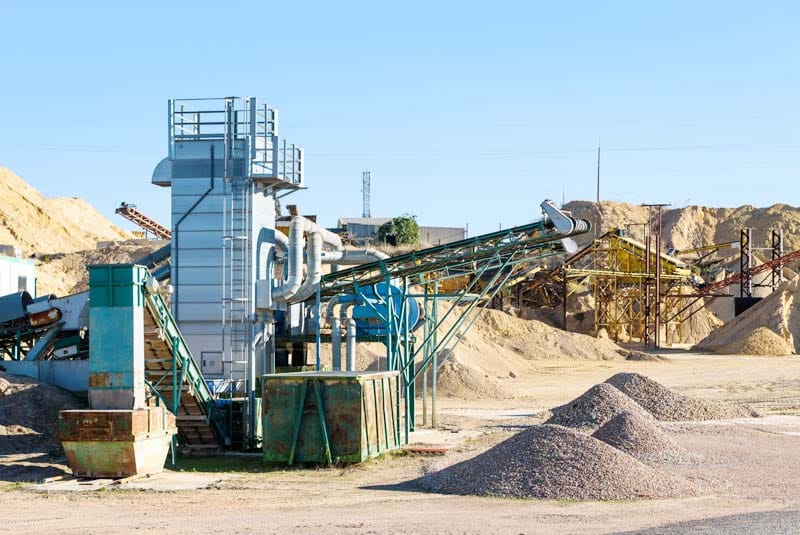
Collection is only the first step. Sand sampling methods also need controlled transfer, storage and reduction to the test portion. Losing fines, adding contamination or changing moisture during handling can alter the material that the laboratory eventually evaluates.
Use the preparation and reduction procedure required by the selected method. Identify containers and prevent mix-ups between locations or collection periods. Where moisture is measured, the quality team should define how the sample is protected and how timing is controlled. A grading sample and a moisture sample may need different handling considerations.
Keep the relationship between the collected sample and each test portion. A later investigation should be able to establish which portion produced a reported result. Record any departure from the normal procedure rather than concealing it inside a final laboratory number.
Compare the roles of common sampling points
| Sampling point | Typical decision | Limitation to consider |
|---|---|---|
| Incoming delivery | Whether the received material meets its purchasing requirement | Does not verify changes in later processing |
| Feed to the production line | Material condition entering the process | May change during a source transition |
| Finished screen or classifier output | Grading produced by the operating line | Does not establish storage and reclaim consistency |
| Stockpile or storage route | Material available from the identified lot | Spatial segregation and moisture variation need an appropriate procedure |
| Feed to mortar or concrete production | Material supplied to the next product process | Its relationship to an earlier sample requires traceable timing |
| Retained reference sample | Support for a defined later review | Storage and test suitability must be controlled |
The table describes purposes rather than prescribing one universal method. Sand sampling methods should be selected by the quality team for the material, test and decision. A plant specification is more useful when it identifies those needs before the equipment layout is fixed.
Investigate disagreement without changing the target first
When two results differ, check whether they represent the same material population and preparation basis. Review lot identity, collection point, transport delay, handling and test method. A difference between a stockpile surface sample and a process-stream sample may describe different material conditions rather than a faulty laboratory.
Sand sampling methods should support an orderly investigation of measurement variation. Where appropriate, compare repeat portions and reference conditions under the quality team's plan. Do not adjust equipment solely to make unrelated samples agree or discard an inconvenient result without recording the reason.
Keep individual observations available. A combined average can be useful for reporting, but it can conceal a transition or a localized problem. The investigation should retain enough detail to identify which material period or route produced the difference.
Make the reporting basis explicit
A report should identify the sample, lot, collection point, relevant dates, method and units. For grading, include the full distribution required by the specification rather than only a summary index. For moisture, identify the reporting basis so the production team can use the result within its approved correction procedure.
Sand sampling methods also need clear ownership of the decision after testing. State who reviews the result and which status it changes: incoming acceptance, process adjustment, product hold or release. A laboratory result should not be interpreted differently by receiving, production and dispatch teams.
Preserve corrections to sample identity or results with their reason and authorization. Overwriting a record without history can make a later comparison appear more certain than it was. A simple controlled record is preferable to a large database whose essential relationships cannot be followed.
Specify sampling access with the sand line
Provide the intended product fractions, quality decisions and proposed sampling points when reviewing Yunguan's निर्मित रेत उत्पादन लाइन. For an integrated sand and mortar plant, include the point at which sand enters mortar production and the identity of each stored fraction.
For background on relevant test topics, see ASTM's cement and concrete standards directory. The project's quality team should select the actual sampling, reduction and test procedures required for its material and specification.
Send your material route and a recent sample report through the form below. Include the lot definition and collection point so the discussion can address representative results rather than only the laboratory value.
अक्सर पूछे जाने वाले प्रश्न
Why do sand sampling methods matter when the laboratory calculation is correct?
The sample may not represent the material used in the decision. Sand sampling methods must connect the test portion with an identified lot and suitable collection point.
Are two samples taken at the same time directly comparable?
Not necessarily. Different process points can contain material from different feed periods. Account for transport and storage delay when making the comparison.
Is one stockpile surface sample enough?
The appropriate procedure depends on the stockpile, material and decision. Segregation and moisture variation can make an isolated convenient sample unrepresentative.
Should a report include only fineness modulus?
Use the full grading information required by the specification. A summary index does not describe every individual size fraction or establish complete sand quality.
What should be discussed before the plant layout is fixed?
Identify sampling purposes, locations, approved access arrangements, sample handling and record links. Include both process-control points and the material supplied to the next production stage.