
Projektiranje okoliša postrojenja za doziranje trebalo bi započeti prije postavljanja opreme na gradilište. Prašina od prijenosa cementa i agregata, buka od transportera i miješalica te voda od pranja kamiona ili čišćenja postrojenja ovise o odlukama o rasporedu koje je teško ispraviti nakon izgradnje.
Za kupce, rasprava o okolišu stoga bi trebala biti dio odabira postrojenja, a ne zasebni zadatak usklađenosti dodan na kraju. Kompaktan raspored može skratiti transportne rute, ali također može koncentrirati izvore prašine. Proizvodni sustav velikog kapaciteta može smanjiti čekanje, ali također može povećati kretanje kamiona. Postrojenje se mora pregledati kao jedno operativno mjesto.
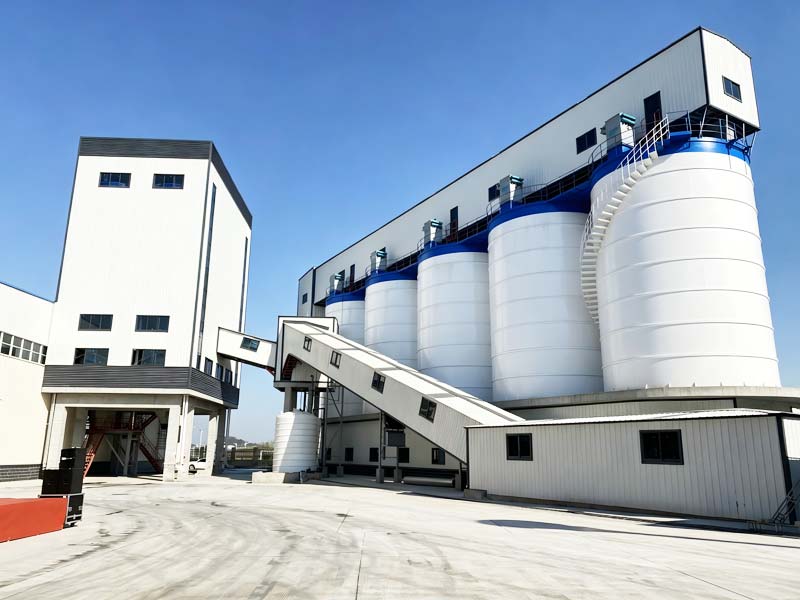
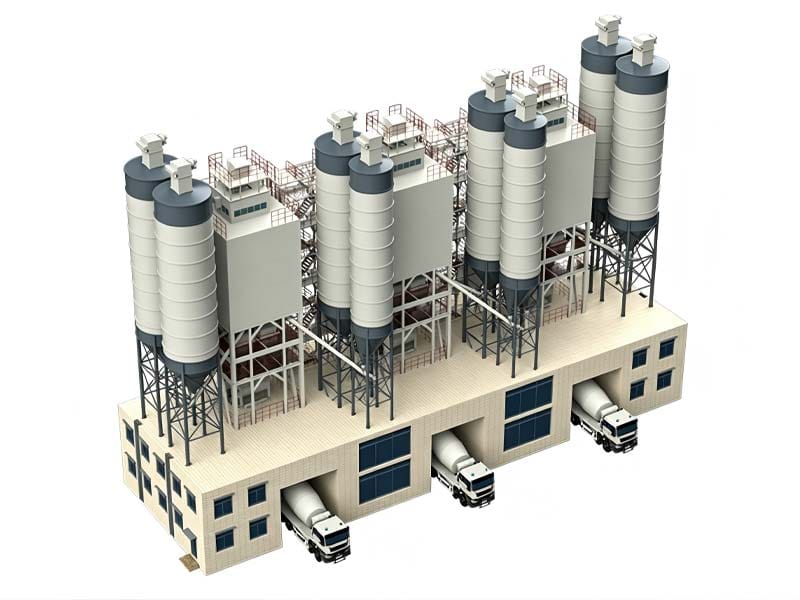
Naš toranj za miješanje betona namijenjen je za dugotrajnu fiksnu proizvodnju i uključuje ekološke značajke kao što su rukovanje zatvorenim materijalom i odvajanje pijeska i šljunka. Naš postrojenje za miješanje betona s gornjim pojasom koristi proširene cjevovode za uklanjanje prašine u prahu i zatvoreno rukovanje prahom. Ovaj vodič objašnjava kako bi ekološki dizajn postrojenja za doziranje trebao povezati te značajke opreme sa stvarnim mjestom.
Što pokriva dizajn okoliša šaržnog postrojenja?
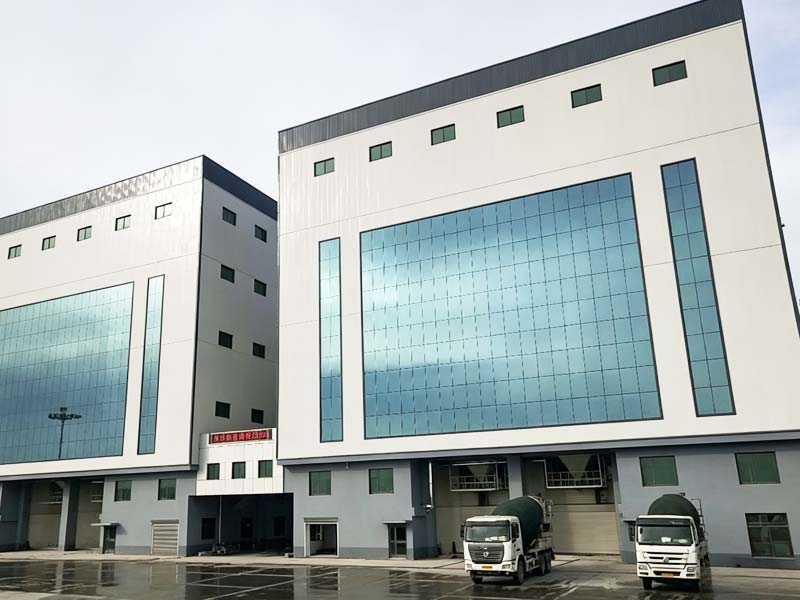
Dizajn okoliša šaržnog postrojenja pokriva dijelove proizvodnog sustava koji utječu na emisije u zrak, buku, vodu, gubitak materijala, održavanje kućanstva i okolno radno okruženje.
The Smjernice Agencije za zaštitu okoliša SAD-a za doziranje betona identificira emisije čestica iz šarže betona koje uglavnom proizlaze iz cementa, s dodatnom prašinom iz pijeska i rukovanja agregatima, istovara, transporta i prometa vozila. EPA kontrolni pristupi uključuju zatvaranje točaka utovara i prijenosa, zatvaranje transportera ili dizala, korištenje filtara na otvorima za skladištenje i primjenu vode gdje je to prikladno.
Ti se izvori mogu grupirati u četiri područja dizajna:
| Područje okoliša | Glavni izvori biljaka | Pitanja dizajna |
|---|---|---|
| Prašina | Punjenje silosa, vaganje, mjesta prijenosa, zalihe i ceste | Gdje se izvor može zatvoriti ili izvući? |
| Buka | Mikseri, transporteri, ventilatori, kompresori, kamioni i utovar | Može li lokacija izvora, kućište ili radni slijed smanjiti izloženost? |
| Voda | Pranje opreme, pranje kamiona, odvodnja dvorišta i mokro čišćenje | Kako će se odvojiti čista voda, procesna voda i oborinska voda? |
| Oporaba materijala | Vraćeni beton, taložene krutine i sakupljena prašina | Koji se materijali mogu oporabiti, ponovno upotrijebiti ili ukloniti u kontroliranim uvjetima? |
Koristan pregled ekološkog dizajna postrojenja za doziranje prati svaki tok materijala i otpada od proizvodnje do prikupljanja. Skupljač prašine, taložni bazen ili kućište za buku radi samo kada je spojen na ispravan izvor i radno stanje.
Mapirajte svaki izvor prašine prije odabira sakupljača prašine
Kontrola prašine počinje mapiranjem izvora.Betonsko postrojenje nema jedan izvor prašine; ima niz točaka prijenosa i skladištenja.
EPA-ine smjernice za doziranje betona identificiraju emisije nastale rukovanjem cementom, istovarom i transportom agregata, utovarom suhog materijala i kretanjem vozila na prašnjavim površinama. To znači da ekološki dizajn postrojenja za doziranje treba uzeti u obzir i zatvorenu procesnu opremu i otvoreno dvorište.
Označite sljedeće točke na izgledu:
- priključci za punjenje cementa i dodatnog praha;
- otvori za silose;
- lijevci za vaganje praha;
- agregatne točke prijenosa;
- područja za skladištenje i povrat agregata;
- punjenje i pražnjenje miješalice;
- zone utovara kamiona;
- ceste i utovarivački putovi.
Zatim odlučite je li svaki izvor najbolje kontrolirati zatvaranjem, lokalnom ekstrakcijom, filtracijom, mokrim suzbijanjem, održavanjem ili kombinacijom metoda.
Ova metoda izvor po izvor jača je od odabira jednog velikog sakupljača prašine i pod pretpostavkom da kontrolira kompletan ekološki dizajn postrojenja za doziranje.
Kontrolirajte praškastu prašinu na mjestima skladištenja i vaganja
Cement i drugi fini prah mogu otpustiti prašinu tijekom pneumatskog punjenja, transporta i vaganja. Filtri za odzračivanje silosa i zatvoreni prijenos praha stoga su važni dijelovi ekološkog dizajna postrojenja za doziranje.
Naše postrojenje s gornjim pojasom postavlja silose za prah iznad glavne zgrade i koristi žlijeb za prijenos zraka s proširenim cjevovodima za uklanjanje prašine praha. Ove objavljene značajke relevantne su za rukovanje prahom, ali konačni raspored ekstrakcije i filtracije tek treba uskladiti s projektom.
Provjera:
- kako se svaki silos otvara tijekom punjenja;
- jesu li uključeni uređaji za zaštitu od tlaka i razinu;
- gdje se usmjerava zrak s pomakom skakača;
- kako se sakupljeni prah vraća ili uklanja;
- kako se pristupa filtrima za pregled;
- whether filter-cleaning air is available at the required condition.
The OSHA crystalline silica resources emphasize engineering controls, local exhaust ventilation and work practices for reducing airborne dust when silica-containing materials are handled. The exact legal requirements depend on jurisdiction, but the engineering principle is broadly useful: capture dust as close to the source as practical rather than allowing it to spread through the plant. In batching plant environmental design, source capture is usually more effective than trying to clean contaminated air after it has dispersed.
Enclose Aggregate Transfer Where It Creates Dust
Aggregate is less dusty than cement under many conditions, but dry fine aggregate can release significant particulate matter during unloading, belt transfer and stockpile handling.
For batching plant environmental design, focus on drop height and exposure to wind. A long uncovered drop from one conveyor to another can create more visible dust than a controlled transfer chute.
EPA specifically lists conveyor enclosure and water sprays among control techniques used in aggregate and concrete batching operations. The correct method depends on whether water addition is acceptable for the material and process.
On the postrojenje za miješanje betona s gornjim pojasom, aggregates move through flat and inclined belt conveyors toward the elevated batching system. During project design, inspect every belt transfer, loading point and receiving hopper rather than treating “enclosed conveyor” as one general feature.
If water suppression is used on roads or aggregate handling, account for its effect on aggregate moisture. Dust control should not create an unmeasured moisture change that later affects batching.
Vehicle Roads Can Be a Major Dust Source
Batching plant environmental design extends beyond the process tower. Loader routes, cement tankers and concrete trucks can generate dust from unpaved or poorly maintained surfaces.
EPA concrete-plant guidance identifies roads, parking areas, yards and stockpiles as potential sources of unconfined particulate emissions. Practical controls can include paving, surface maintenance, water application, dust suppressants, stockpile management and wind protection where appropriate.
Draw traffic routes before placing equipment. Separate loader travel from concrete truck circulation where practical. Reduce unnecessary crossing and sharp turns that increase surface disturbance.
A compact equipment footprint is not automatically an environmentally optimized site. If the layout forces loaders to make long trips across dusty ground, total site emissions and housekeeping demand may increase.
Noise Control Starts with Equipment Location
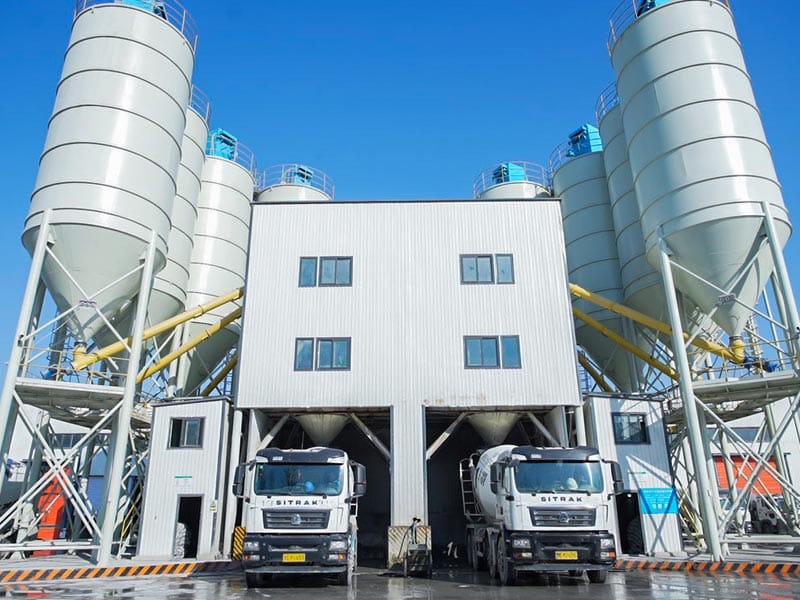
Noise is often treated as a matter of adding insulation after complaints occur. A stronger batching plant environmental design uses distance, orientation and equipment placement before relying on secondary controls.
Typical noise sources can include mixers, vibrating equipment, belt drives, fans, compressors, pneumatic systems, truck movements and loading operations.
Start by identifying the nearest sensitive boundary: offices, neighboring properties, public roads or other work areas. Then place continuously operating equipment and high-noise sources where the site geometry can provide separation or shielding.
The concrete mixing tower in our product range is designed for centralized fixed production and advertises low-noise environmental handling as part of its sand-and-gravel separation arrangement. That statement should be verified in the context of the complete installed plant rather than treated as a universal site noise guarantee.
For batching plant environmental design, ask the equipment supplier for declared source data where available, then have the project team evaluate the complete site against local requirements.
Do Not Forget Fans, Compressors and Intermittent Noise
Continuous mixer noise may be obvious, while intermittent sounds can be more disruptive. Air compressors, pulse-jet dust collectors, aggregate gates and truck air brakes can create short high-level events.
When reviewing batching plant environmental design, separate continuous and intermittent sources. An enclosure that reduces mixer noise may do little for an outdoor compressor or truck queue.
Check whether noisy auxiliary equipment can be placed inside service rooms or behind structures without compromising ventilation or maintenance access. Review exhaust orientation for fans and pneumatic equipment.
Operating schedules can also matter. If the plant runs near residential or other sensitive areas, early-morning or nighttime operations may require a different assessment from daytime production.
Separate Process Water from Stormwater
Water management becomes difficult when every drain on the site is connected to one system. Batching plant environmental design should distinguish relatively clean stormwater from water that has contacted cement, concrete, aggregate fines or equipment-cleaning areas.
Potential process-water sources include:
- mixer washing;
- truck drum or chute washing;
- yard cleanup around loading areas;
- sand-and-gravel separation systems;
- maintenance cleaning.
These streams can contain suspended solids and highly alkaline cementitious material. They should not be assumed suitable for uncontrolled discharge.
Design drainage slopes and collection points before the plant is built. Keep uncontaminated roof or site runoff separate where practical so the process-water system does not have to handle unnecessary volume.
Use Settling and Separation as Part of a Defined Water Loop
Concrete wash water commonly contains suspended sand, cement fines and concrete particles. A sand-and-gravel separator can recover coarse material, while settling can remove finer solids from water.
Our concrete mixing tower includes a high-environmental sand-and-gravel separation system described as supporting recovery and low-noise operation. For a project-specific batching plant environmental design, confirm what streams enter that system, what solids it separates and how the recovered water is managed afterward.
Do not use the word “recycled” without defining the next use. Recovered water may be suitable for certain cleaning or production uses only when its quality is monitored and the project specification allows it.
A useful water-flow drawing should show:
| Water stream | Collection point | Possible next step |
|---|---|---|
| Truck or chute wash water | Dedicated wash area | Solids separation and settling |
| Mixer cleaning water | Contained plant drain | Process-water treatment or controlled reuse |
| Clean roof runoff | Separate drainage system | Stormwater management according to site plan |
| Yard runoff from material areas | Graded collection route | Evaluate contamination before discharge or reuse |
The exact treatment and discharge requirements depend on local regulation and the intended reuse.
Returned Concrete Needs a Material-Recovery Plan
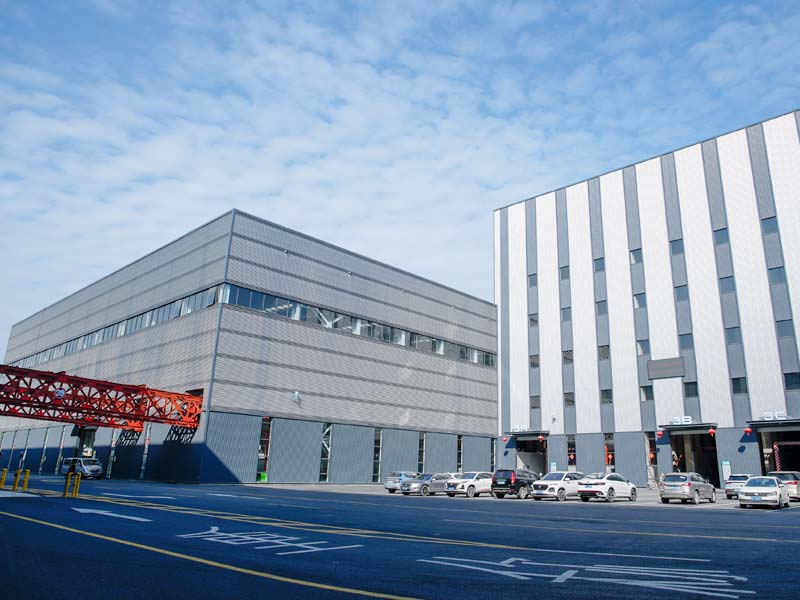
Environmental design also needs a plan for concrete that returns to the plant or remains after production. Allowing returned material to harden randomly creates housekeeping, vehicle and disposal problems.
Batching plant environmental design should identify where returned concrete is handled, whether aggregate recovery is used, and how hardened residual material is stored or removed.
If an aggregate recovery system is proposed, confirm what particle sizes are recovered, where the cement-rich water goes and how recovered material is characterized before reuse.
Do not assume that every recovered solid can automatically return to new concrete. Reuse must fit the approved quality-control plan and applicable specification.
Dust and Water Controls Can Affect Concrete Quality
Environmental systems should not be designed in isolation from production quality. Water sprays can change aggregate moisture. Collected cementitious dust returned to the process can alter material proportions. Recycled water can contribute solids and dissolved material.
For this reason, batching plant environmental design should define the boundary between environmental recovery and the approved concrete recipe.
If a dust collector returns material to a silo or hopper, identify which material it is considered to be and how its quantity is controlled. If recovered water is used in production, define testing and dosing requirements.
Our guide on aggregate moisture correction explains why additional water from environmental controls or wet aggregate cannot be ignored in the concrete material balance.
Plan Housekeeping into the Layout
A clean plant is easier to inspect and usually easier to control environmentally. Batching plant environmental design should therefore provide access for routine cleanup without requiring operators to work around traffic or exposed moving equipment.
Provide space around transfer points, weighing areas and loading zones. Avoid creating inaccessible ledges where cement dust accumulates. Design floors and drainage so wet cleanup does not simply move slurry into uncontrolled areas.
OSHA guidance on silica exposure control discourages cleaning practices that can increase airborne silica exposure when safer alternatives are available. The exact site procedure should reflect the applicable regulations and risk assessment, but dry sweeping or uncontrolled compressed-air cleaning should not be the default plan for heavy dust deposits.
Housekeeping is most effective when the plant prevents spills first, captures unavoidable dust second and cleans the remaining material through a defined procedure.
Monitor Environmental Controls Instead of Assuming They Work
Environmental equipment needs operating indicators just like the batching system. A filter that is installed but blocked, a water separator that is full, or a spray system with no pressure provides little control.
For batching plant environmental design, decide what should be monitored:
- dust collector differential pressure or other condition indicators;
- filter-cleaning air supply;
- visible leakage at transfer points;
- water levels in settling or recovery systems;
- pump status;
- noise or exposure measurements where required;
- road and yard dust conditions.
These values do not all need to appear on one control screen. They do need an owner, inspection method and response when performance moves outside the approved condition.
Design Environmental Access into the Plant Before Purchase
Filters, ducts, pumps, separators and enclosures all need maintenance. A batching plant environmental design that cannot be safely inspected will become less effective over time.
Review how technicians reach silo filters, duct inspection points and fans. Check whether filters can be removed without dismantling unrelated equipment. Confirm how settled solids are removed from water-treatment areas.
The same principle applies to enclosed conveyors and transfer points. Enclosure reduces emissions only if inspection doors, seals and cleaning access are maintained.
Naš customized plant design service considers site conditions, equipment configuration and layout. Environmental access should be included in that layout review together with production and maintenance space.
Use a Site-Specific Environmental Acceptance Plan
Factory inspection can confirm that dust collectors, fans, pumps and control signals function before shipment, but it cannot prove the environmental performance of the final site.
Batching plant environmental design should therefore include site acceptance checks after installation.
For dust, observe representative material filling, conveying and batching operations. For water, test the actual wash and drainage routes. For noise, evaluate representative plant operation at the locations required by the project.
Record the production condition during each check. A plant tested at low material flow may not demonstrate the same dust or noise behavior as peak operation.
Also inspect truck traffic and aggregate loading because some of the largest environmental sources sit outside the main plant structure.
What Should Buyers Provide for an Environmental Plant Review?
A useful batching plant environmental design review requires information about both production and the surrounding site.
Osigurati:
- expected concrete output and operating hours;
- aggregate types and typical moisture condition;
- cementitious materials and silo-filling method;
- site dimensions and neighboring land uses;
- truck and loader traffic routes;
- available water and drainage infrastructure;
- local dust, noise, water and discharge requirements;
- whether recovered water or aggregate is intended for reuse.
These inputs allow environmental controls to be incorporated into the equipment and layout rather than added as isolated accessories. That is the central purpose of batching plant environmental design.
Send your project brief through our kontakt stranica so the production arrangement and environmental interfaces can be reviewed together.
Zaključak
Batching plant environmental design is most effective when dust, noise, water and material recovery are treated as part of the production system from the beginning. Enclosed powder handling, controlled aggregate transfer, planned traffic routes, contained wash water and maintainable environmental equipment all depend on layout decisions.
The objective is not to attach more environmental equipment than necessary. It is to identify each source, choose an appropriate control method, verify that the control works under representative production conditions, and maintain it throughout plant operation.
For fixed, high-output projects, environmental requirements should be reviewed alongside capacity, storage, maintenance and traffic before the final plant configuration is approved.
FAQ
What should batching plant environmental design include?
Batching plant environmental design should address dust from powder and aggregate handling, noise from plant and vehicle equipment, process water and drainage, material recovery, housekeeping and access for environmental-control maintenance.
Where does dust come from in a concrete batching plant?
Common sources include silo filling, powder weighing, aggregate transfer, truck loading, stockpiles and vehicle movement on dusty surfaces. The control method should be selected for each source rather than relying on one general dust collector.
Can wash water from a batching plant be reused?
Potentially, but reuse depends on water quality, the intended application, concrete specifications and local requirements. Recovered water should be treated as a controlled material, not automatically returned to production.
How can batching plant noise be reduced?
Noise can be addressed through equipment location, distance, shielding, enclosure, maintenance and operating schedules. The complete installed site should be assessed because trucks, fans and compressors can be as important as the mixer.
Does environmental equipment guarantee compliance?
No. Compliance depends on the complete installed plant, operating conditions, maintenance and applicable local requirements. Environmental controls should be commissioned and verified under representative production conditions.


