
コンクリートバッチングにおける骨材水分補正: その仕組み
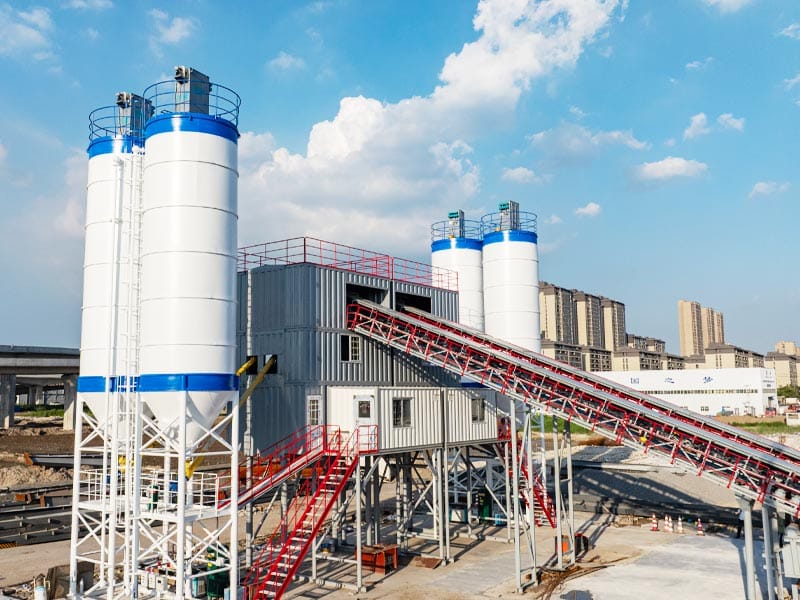
Aggregate moisture correction is one of the most important controls in concrete batching because the water carried by sand and stone changes both the actual aggregate mass and the amount of water entering the mix. A batching plant can weigh materials accurately and still produce inconsistent concrete if the moisture condition of the aggregates is not accounted for correctly. For plant buyers and production teams, aggregate moisture correction should therefore be treated as part of the batching and control system—not as a laboratory calculation that sits outside the equipment process. The batching plant needs reliable material data, appropriate measuring devices and a control method that converts moisture information into practical […]
製造された砂の原料: 何を最初にテストするべきですか?

Manufactured sand raw materials determine how easily a sand-making line can produce a stable grading, acceptable particle shape and a controlled fines fraction. Two feed sources can enter the same machine at the same nominal size and still produce very different sand because their mineralogy, strength, weathering, clay content and moisture are different. For a buyer, this means equipment selection should not begin with crusher capacity alone. It should begin with representative feed samples and a clear finished-sand target. The question is not simply whether a rock can be crushed, but whether the resulting product can meet the requirements of concrete, dry mortar or another intended application. Our manufactured sand […]
プレキャストコンクリート用プラネタリーシャフトミキサーとツインシャフトミキサー: どちらが合いますか?
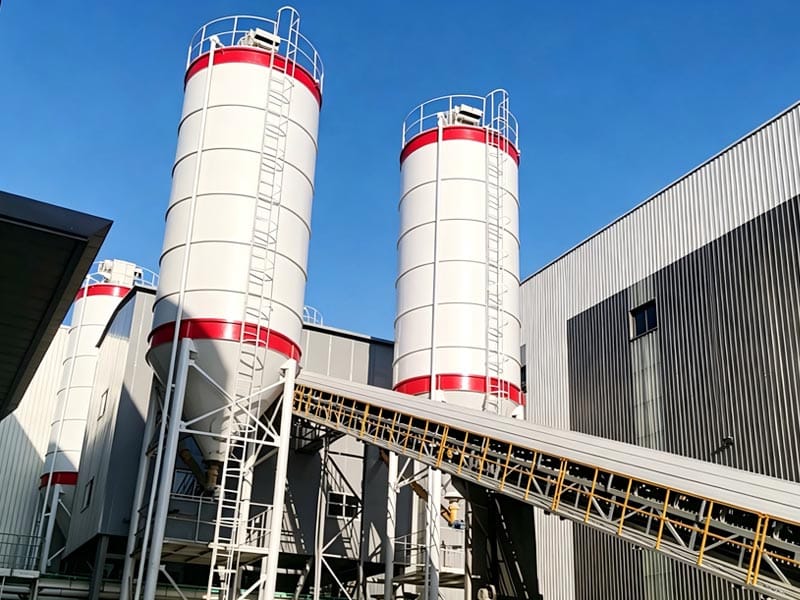
Planetary vs twin shaft mixer is a practical comparison for precast concrete producers because the mixer affects much more than nominal batch capacity. It influences how concrete moves inside the mixing chamber, how a batch discharges, how easily the mixer fits into a casting schedule, and how well the equipment handles the range of mixtures a factory intends to produce. For precast production, the useful question is not which mixer is universally “better.” It is which mixing action, batch range, discharge arrangement and production cycle fit the actual products leaving your factory. Our precast concrete batching plant uses a vertical-shaft planetary mixer, while other concrete batching applications in our product […]
タワータイプ ドライモルタルプラント vs ステップタイプ: どのレイアウトが適合しますか?
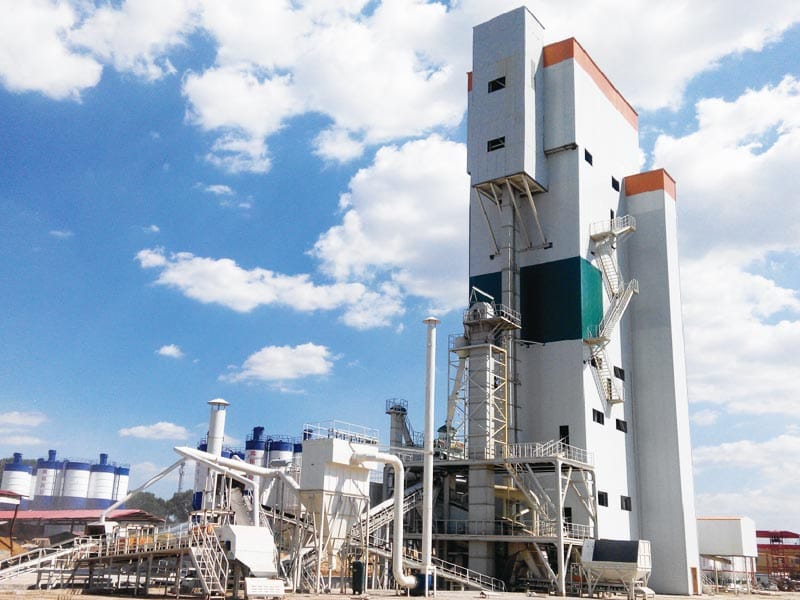
A tower type dry mortar plant and a step-type plant can manufacture many of the same mortar products, yet the way materials move through them is very different. That difference affects building height, conveying equipment, maintenance access, product changeovers, expansion planning and the amount of site preparation required. For a buyer, the right question is not which layout is “more advanced.” It is which layout can repeatedly produce the planned mortar range under the actual site, storage and operating conditions. This guide compares a tower type dry mortar plant with a step-type dry mortar plant from that practical perspective. It focuses on material flow, product mix, factory layout and verification […]
移動式コンクリートバッチングプラントはいつ意味を持ちますか?
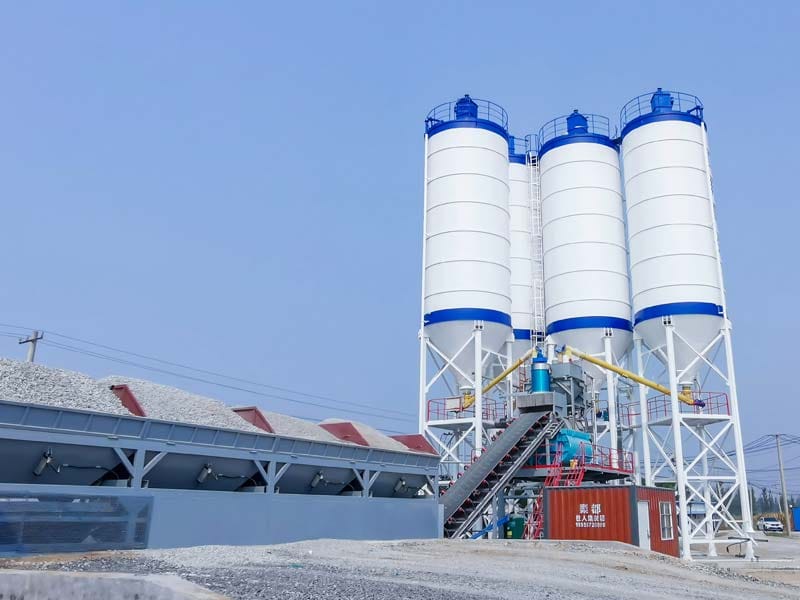
A mobile concrete batching plant makes sense when mobility solves a real production problem. That problem may be repeated relocation, a temporary construction schedule, unreliable ready-mix delivery, limited site space, or the need to move concrete production closer to changing work zones. The key word is real. A plant should not be selected simply because “mobile” sounds more flexible. If the equipment will remain in one place for years, requires large permanent storage, or must support a highly integrated fixed production system, a stationary configuration may be the stronger choice. This guide explains how to decide whether a mobile concrete batching plant fits your project, which site and production details […]
乾式モルタルプラントのメンテナンス: 次のバッチを保護します
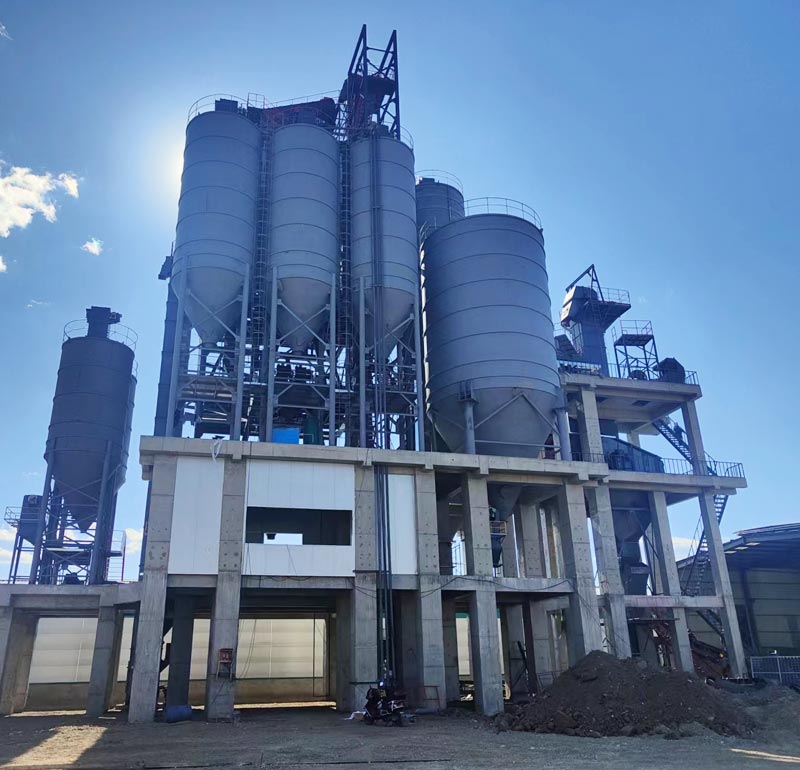
洗浄、製品の変更、信頼性の高い操作のための乾式モルタルプラントのメンテナンスを計画します。モルタル範囲とレイアウトを送信してプラントのレビューを依頼してください。.
モジュール式バッチ処理プラントの設置: サイトから最初のバッチまで
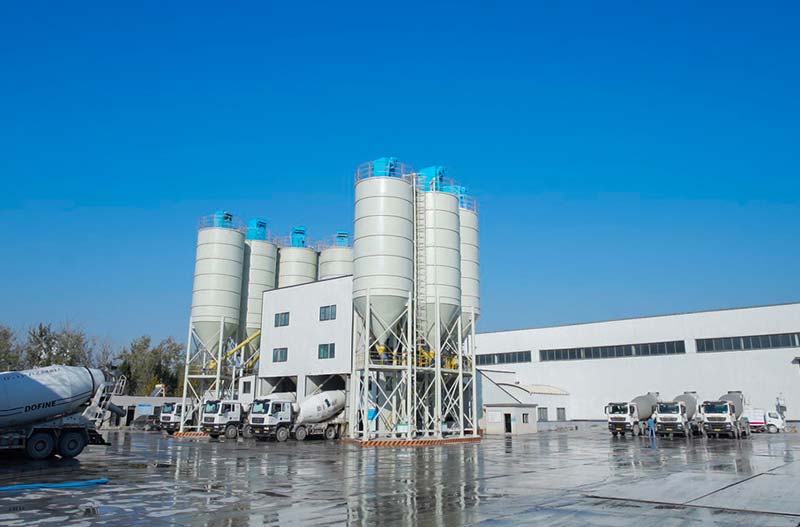
現場、ユーティリティ、試運転チェックを使用して、バッチ処理プラントの設置を計画します。具体的なプラントレビューのために、レイアウトと生産のニーズを送信します。.
乾燥モルタル用の製造された砂: 適切なグレードに一致します
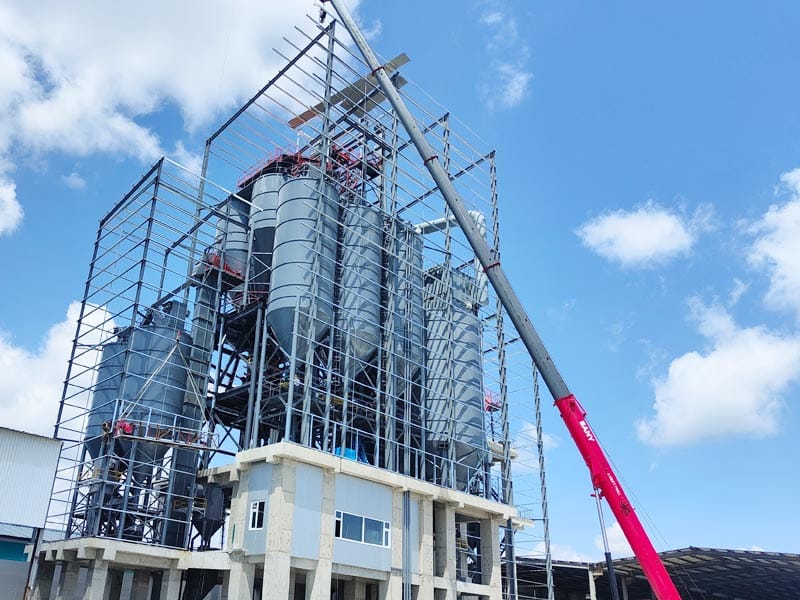
グレーディング、微粉および湿気によって乾燥したモルタル用の製造された砂を選択します。統合された砂とモルタルのプラントのレビューのために原材料データを送信します。.
コンクリートバッチングプラントのメンテナンス: 実用的なチェックリスト
ミキサー、コンベア、計量、安全なアクセスの周囲でバッチ処理プラントのメンテナンスを計画します。実用的なプラント レイアウトのレビューのために生産ニーズを送信します。.
タイル接着剤の製造: 適切な混合ラインを選択してください

原材料、投与量、混合、包装の周りのタイル接着剤の生産を計画します。乾式モルタルプラントのレビューのために製品要件を送信してください。.