
自動水準モルタル製造: プラントの設計方法
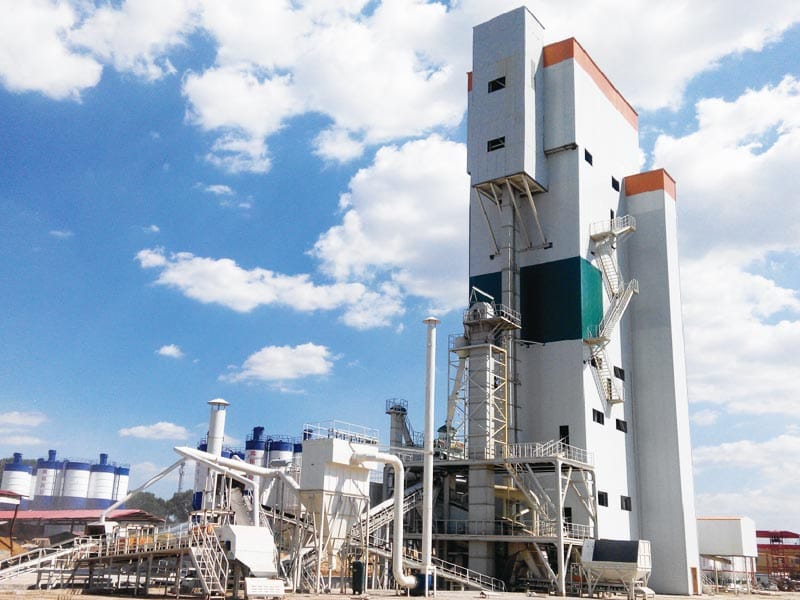
Self-leveling mortar production requires more than a dry mixer and a packaging machine. The finished product must flow, level and develop the required hardened properties after water is added on site, which means the factory has to reproduce a sensitive dry formulation batch after batch. For equipment buyers, the main challenge is translating that formulation into a reliable production system. Sand grading, binder storage, micro-additive dosing, mixing uniformity, segregation control, dust extraction and packaging all influence whether the dry blend leaving the plant is consistent enough for laboratory and field performance. Our tower-type dry mortar mixing plant lists self-leveling mortar among its intended applications, while our workshop-type dry mortar plant […]
バッチングプラントの校正: どの測定システムをチェックする必要がありますか?
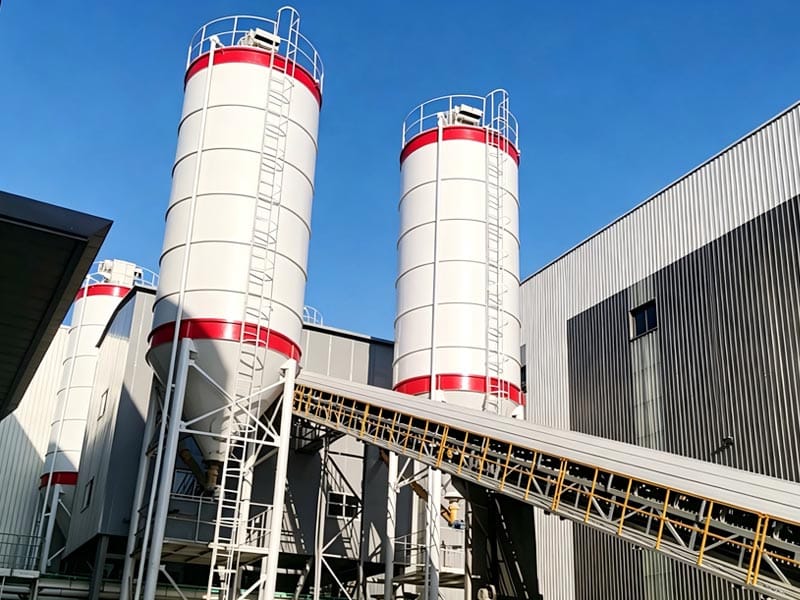
Batching plant calibration should verify the measuring systems that turn a concrete recipe into actual material quantities. Aggregate, cementitious powders, water and admixtures may use different weighing or metering methods, so one general “plant calibration” result does not prove that every ingredient is being dosed correctly. For buyers and plant teams, the key question is not only whether a load cell can display a known test weight. It is whether each installed measuring system performs across the range used in production and whether the control system records the result clearly enough to support concrete quality control. Our side-mounted belt concrete mixing plant uses a three-point sensor weighing arrangement and dual […]
プレキャストコンクリートの一貫性: バッチングプラントで何を制御するか
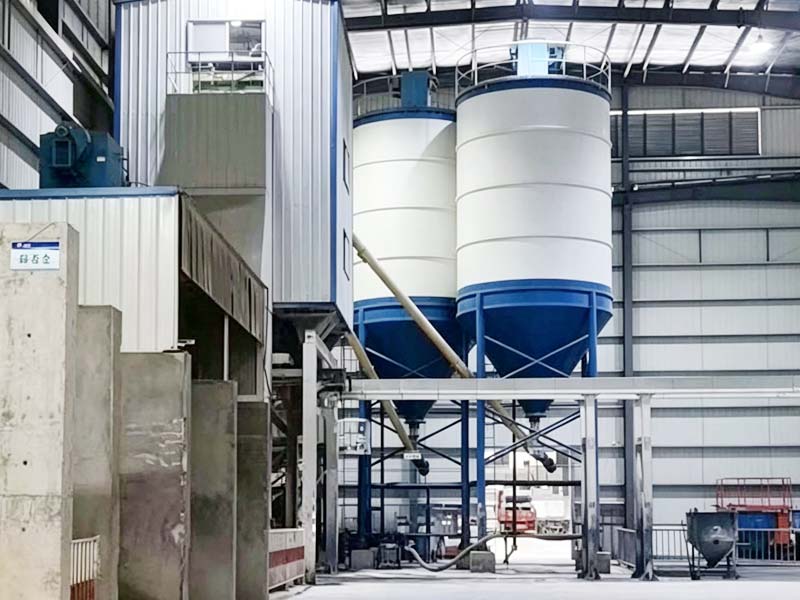
Precast concrete consistency is not created by the mixer alone. It depends on whether every batch receives the intended aggregate solids, water, cementitious materials and admixtures, whether those materials are mixed under repeatable conditions, and whether the concrete reaches the casting station without uncontrolled delay or handling changes. For a precast factory, this matters because small batch-to-batch changes can affect mold filling, compaction, surface appearance, release timing and finished-product quality. A batching plant should therefore be selected and operated as part of the complete factory process rather than as an isolated machine. Our precast concrete batching plant combines planetary mixing, multiple discharge doors, material moisture and temperature monitoring, and production-line […]
ワークショップ乾燥モルタルプラント:既存の建物で確認すべきもの
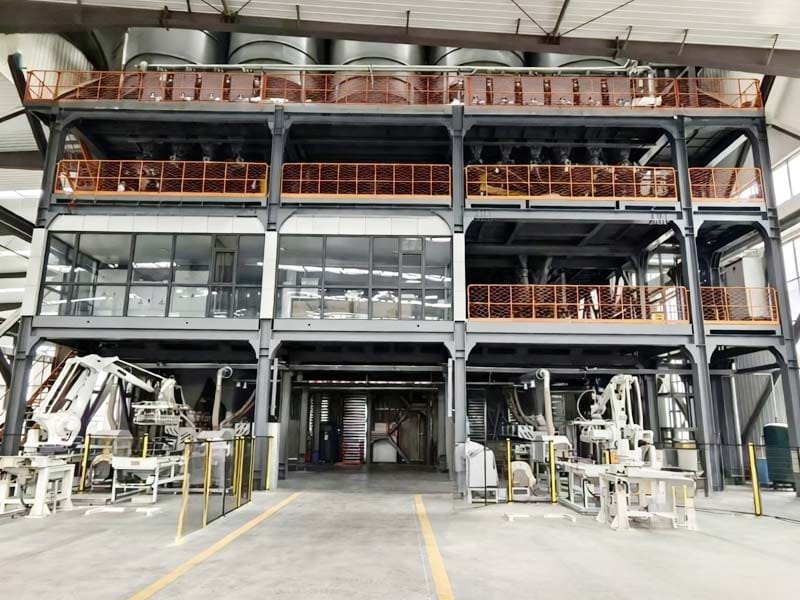
A workshop dry mortar plant can be a practical choice when a manufacturer already has an industrial building and wants to add dry mortar production without constructing a full tower-style facility. But “the equipment fits inside” is not enough. Clear height, floor loading, raw-material access, screw-conveyor routes, dust extraction, packaging space and maintenance access all need to work together. Our workshop-type dry mortar mixing plant uses a horizontally distributed layout connected by screw conveyors and is intended for products such as wall putty, tile adhesive, gypsum-based mortar and other special mortars. This guide explains what to verify before placing a workshop dry mortar plant inside an existing building. Why Choose […]
ベルトコンベヤーとスキップホイスト: どのバッチプラントが適合しますか?
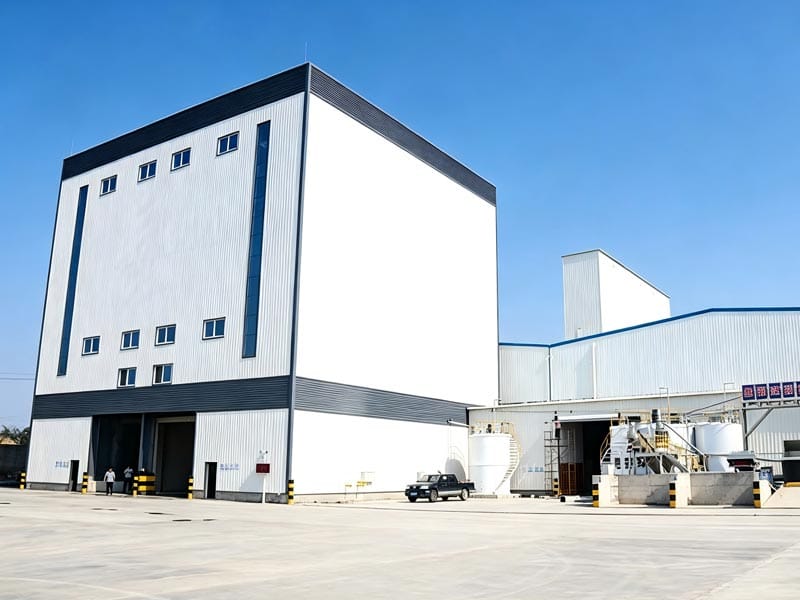
Belt conveyor vs skip hoist is one of the most important layout decisions in a concrete batching plant because the aggregate feeding method affects plant footprint, batch rhythm, maintenance access and the way material reaches the mixer. The choice should not be made from a simple rule that one system is “large” and the other is “small.” On MixingPlantPro equipment, belt-fed and skip-hoist configurations are available with different silo arrangements and production layouts. That makes the comparison especially useful for buyers who need to balance site constraints with stable concrete production. This guide explains belt conveyor vs skip hoist selection from the perspective of aggregate flow, cycle timing, space, maintenance […]
乾式モルタルの計量精度: 生産チェックカバーは何をすべきですか?
Dry mortar weighing accuracy should be checked across the complete batching sequence, not only at the load cell. A scale can indicate a weight correctly while a screw feeder overshoots, material hangs inside a hopper, or a low-dose additive falls outside the measuring range that the system can handle reliably. For dry mortar producers, this matters because a formulation often combines large quantities of sand and binder with much smaller quantities of functional additives. The same weighing arrangement is not automatically suitable for every ingredient. Our workshop-type dry mortar mixing plant uses automated batching, conveying, mixing and packaging interfaces, while our tower-type dry mortar plant uses a more vertical gravity-flow […]
バッチングプラントの環境設計: 粉塵、騒音、水
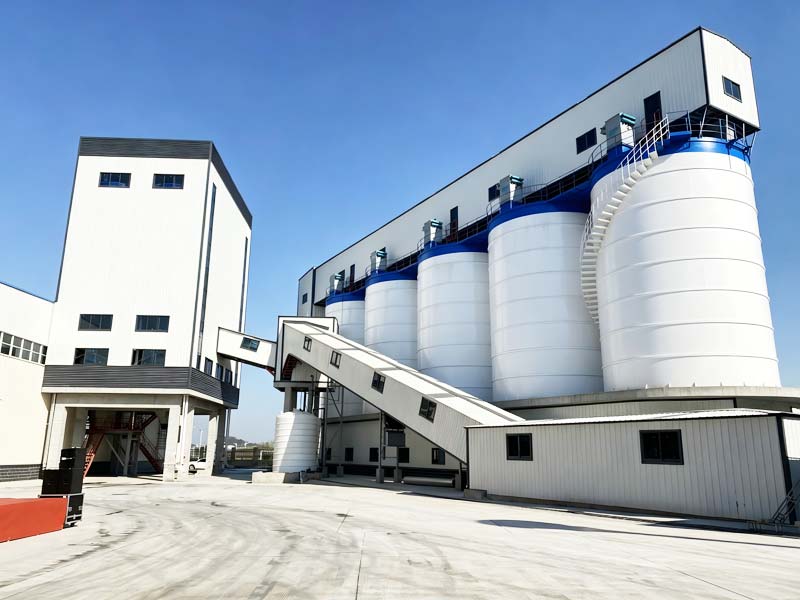
Batching plant environmental design should start before equipment is placed on a site. Dust from cement and aggregate transfer, noise from conveyors and mixers, and water from truck washing or plant cleaning all depend on layout decisions that are difficult to correct after construction. For buyers, the environmental discussion should therefore be part of plant selection rather than a separate compliance task added at the end. A compact layout can shorten conveying routes, but it can also concentrate dust sources. A high-capacity production system can reduce waiting, but it may also increase truck movements. The plant has to be reviewed as one operating site. Our concrete mixing tower is intended […]
統合砂モルタルプラント: 2 つのプロセスがどのように接続されるか
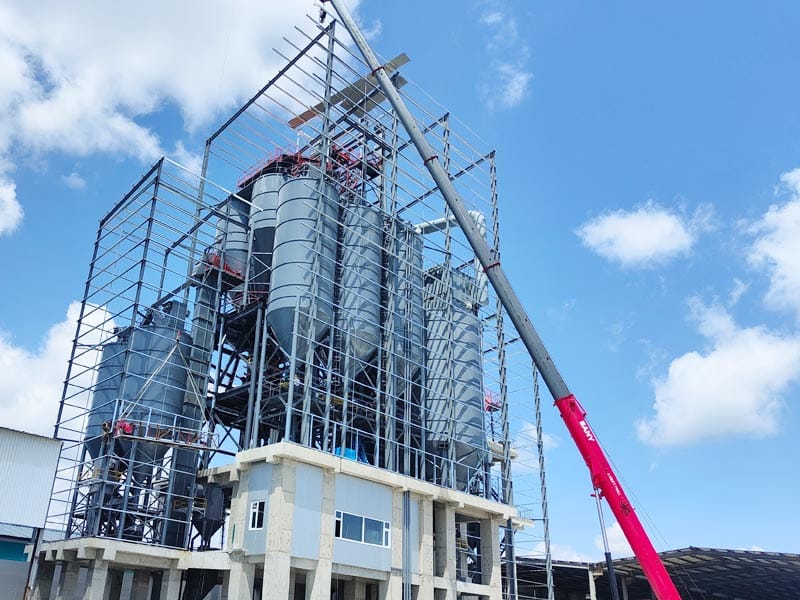
An integrated sand mortar plant is not simply a sand-making machine placed beside a dry mortar mixer. The value of integration comes from controlling the material between the two processes: particle size, powder content, moisture, storage, metering and the rate at which qualified sand is supplied to each mortar recipe. If the sand section produces more material than the mortar section can use, storage and classification become the constraint. If the mortar section requires a fraction that the sand section cannot supply consistently, total sand output may look sufficient while production still stops. The connection between the two systems therefore matters as much as the capacity of either system by […]
バッチングプラントのトラブルシューティング: 症状ごとに問題を診断します
Batching plant troubleshooting is most effective when it starts with the production symptom rather than an assumption about the failed component. Low output, unstable weighing, inconsistent concrete, conveyor interruptions and discharge delays can each have several possible causes, and replacing a part before defining the symptom often wastes time. A better approach is to follow the material and control sequence. Check what the plant was asked to do, what actually happened, where the process stopped changing as expected, and which evidence supports the next inspection. This guide explains a practical batching plant troubleshooting method for concrete production teams. It also shows what plant buyers should request in the equipment design […]
壁のパテの生産ライン: 最初に何を指定する必要がありますか?
Wall putty production should begin with the products a factory intends to make, not with the mixer capacity printed on an equipment brochure. Interior putty, exterior putty, cement-based products and gypsum-based products can require different raw materials, additive handling, mixing sequences and packaging plans. That is why a wall putty production line should be specified around the formulation family, expected batch range, dust-control needs, changeover frequency and packaging format. A plant that produces one stable product all day has different priorities from a factory that changes recipes several times per shift. Our workshop-type dry mortar mixing plant lists wall putty among its applicable products and combines ingredient metering, conveying, mixing, […]