
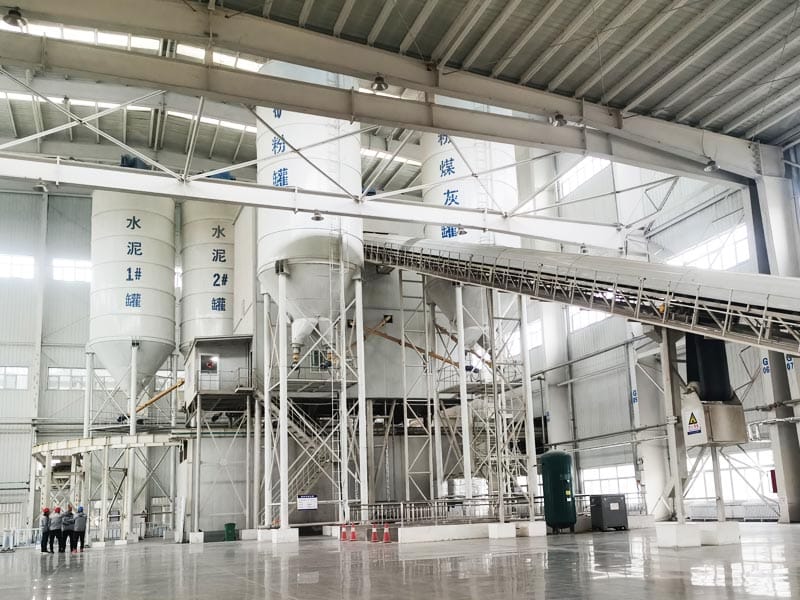
A precast concrete batching plant should be selected around the moments when molds need concrete, not simply the total volume a factory produces each day. A mixer can meet its rated output while casting stations wait for the wrong batch, a returning bucket or a recipe change.
That is why factory integration deserves as much attention as mixer size. The useful question is not just how much concrete the plant makes, but whether it delivers the right mixture, in the right quantity, to the right place.
This guide explains how to specify a precast concrete batching plant around casting schedules, small batches, quality control and the equipment receiving each discharge.
Inhoudsopgave
What Makes a Precast Concrete Batching Plant Different?
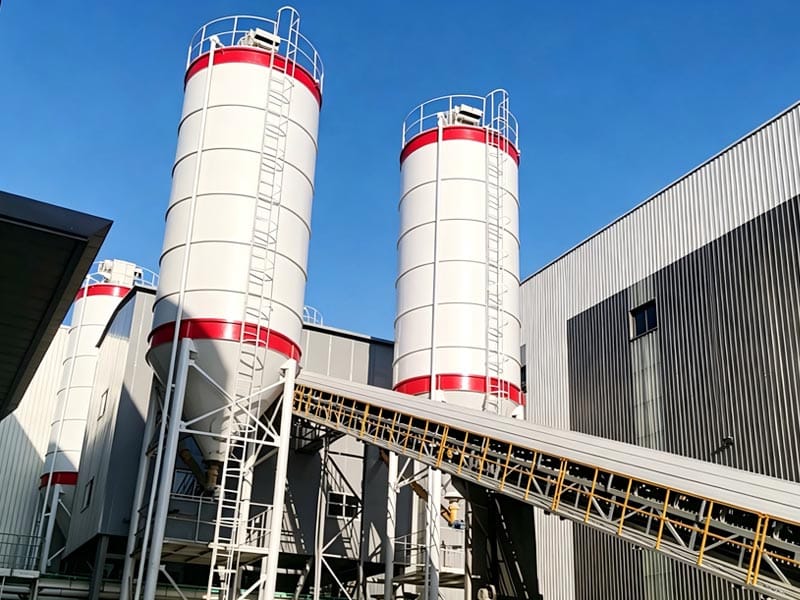
A precast concrete batching plant measures and mixes ingredients to supply concrete for manufactured components. Its design must fit the factory’s production methods as well as its concrete specifications. Our precast concrete production solutions therefore consider product type, output requirements, equipment configuration and site layout together.
Instead of stopping the review at the mixer outlet, follow the batch to its destination. Which mold or production station receives it? How much can that station accept? Who confirms that it is ready?
The precast concrete batching plant configuration in our range includes planetary mixing, multiple discharge doors, moisture monitoring and production-line software integration. These features provide a starting point for engineering discussions; the final interfaces and operating limits need to be defined for the project.
Start with the Products and Casting Methods
Before choosing a precast concrete batching plant, create a product matrix covering concrete recipes, casting methods, typical pour quantities and receiving equipment. Separate current products from applications that might be introduced later.
Wet-cast production
For a wet-cast line, record the specified fresh-concrete properties and how concrete is placed and consolidated. Include the smallest pour, the largest uninterrupted pour and the expected time between mixing and placement. Use these requirements to define trials rather than assuming that one mixer setting suits every product.
Dry-cast production
Dry-cast concrete is a stiff mixture that requires appropriate compaction. It is not the same as dry batching, and water is still introduced during mixing. The NPCA’s explanation of dry-cast concrete production describes this distinction and the importance of the forming process.
For a precast concrete batching plant supplying dry-cast equipment, request a joint review of the mixer, discharge route and forming-machine demand. Confirm suitability explicitly; a general precast product description does not establish compatibility with every dry-cast application.
Size Output Around the Busiest Casting Window
Daily averages can hide short production peaks. To size a precast concrete batching plant, begin with the busiest realistic period and identify which stations need concrete within that same window.
The following example is hypothetical. It illustrates a scheduling check, not the performance of any particular model.
| Receiving station | Concrete required within 45 minutes | Full batches at 1.5 m³ each | Scheduling question |
|---|---|---|---|
| Wall-panel station | 9 m³ | 6 | Can deliveries be interleaved with other stations? |
| Stair station | 6 m³ | 4 | When are the molds ready to receive concrete? |
| Beam station | 3 m³ | 2 | Does the pour require consecutive deliveries? |
| Totaal | 18 m³ | 12 | All requirements fall within the same 45-minute window. |
The average requirement within that window is 18 ÷ 0.75 = 24 m³/h. Assume the proposed mixer completes one discharged 1.5 m³ batch every three minutes. Its uninterrupted rate would be 30 m³/h, and twelve batches would occupy 36 minutes.
However, a single 1.5 m³ transport bucket completing one full load-deliver-return cycle every six minutes has a long-run transfer ceiling of 15 m³/h under those assumptions. The mixer rating alone does not solve the delivery constraint.
Use this logic when evaluating a precast concrete batching plant. Check the complete system against the busiest window, then build a timed sequence covering startup, station priorities, recipe changes and delays. Do not simply add waiting allowances to every stage when some operations can overlap.
Also identify which pours can be interrupted and which require a protected delivery sequence. Two schedules with the same total volume may place very different demands on the plant. Where several stations request concrete together, set the production priority before selecting equipment rather than leaving the conflict to be resolved on the shop floor.
Choose the Mixer for the Actual Batch Range
Our precast equipment uses a vertical-shaft planetary mixer. The useful selection question, however, is what mixing performance the proposed machine demonstrates with your materials and batch sizes.
NIST's review of concrete mixing methods emphasizes concrete performance and homogeneity when evaluating mixing methods. Mixer terminology alone cannot establish those results.
For a precast concrete batching plant, request trials at the normal production quantity and the smallest planned batch. Record ingredient sequence, mixing duration, discharge behavior and agreed concrete test results. Identify the validated operating range rather than assuming that halving the ingredients preserves performance.
Also distinguish the mixing period from the complete repeat cycle. The schedule used to calculate output should include the actual loading and discharge sequence, with overlapping activities shown separately. A short mixing-time claim is not evidence that the same interval separates completed batches.
Check Small-Dose Accuracy Before Approving Small Batches
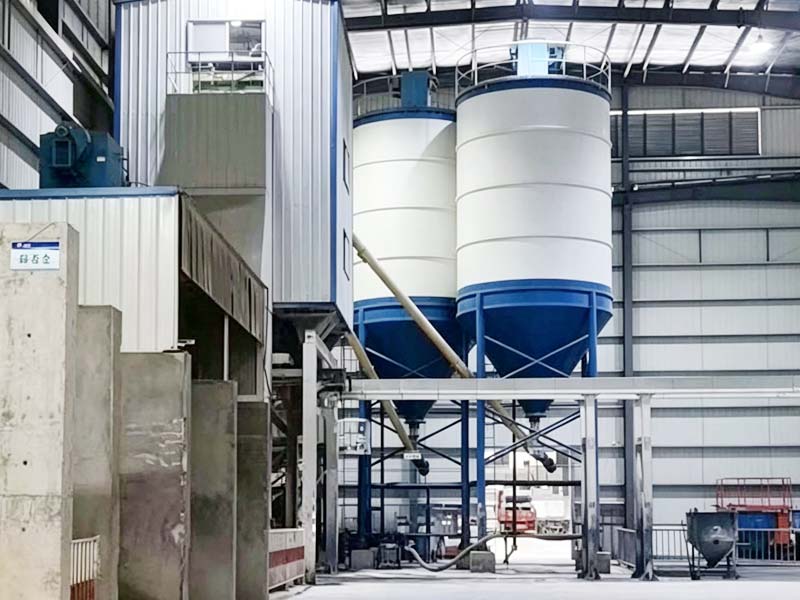
A precast concrete batching plant may need both full production batches and small quantities to complete individual molds. Those smaller batches deserve their own dosing review.
Ask for verification across the intended working range of each measuring system. NRMCA’s guidance on scale and dispenser verification distinguishes documented checks from a simple statement that equipment is accurate. Its certification requirements are not automatically the specification for your factory; agree the applicable acceptance criteria separately.
Static scale verification and successful ingredient dispensing are also different questions. Request repeated delivery checks using the materials and quantities expected in production. Review how final feed cutoff, residual material and zero checks are handled.
For your precast concrete batching plant, confirm the smallest validated dose and batch size. A readable decimal on a control screen is not, by itself, evidence that the system can repeatedly dispense that quantity.
For an illustrative sensitivity check, a 10 g deviation on a 200 g target is 5%, while the same deviation on a 2 kg target is 0.5%. These are arithmetic examples, not dosing specifications. They show why performance at larger quantities cannot establish an acceptable result for the smallest addition.
Treat Moisture Correction as a Material Balance
Aggregate moisture affects both the aggregate quantity and the water entering a batch. A precast concrete batching plant therefore needs more than a fixed water setting for each recipe.
The ACI’s guidance on aggregate water corrections explains that surface water above the saturated surface-dry condition contributes to mixing water. Aggregates drier than that reference condition require a different correction to account for absorption.
Check that the controls use the intended moisture basis and adjust aggregate quantities as well as added water. Have the concrete technologist review a worked calculation against the approved mix design.
Moisture readings also need validation. The NPCA’s richtlijnen voor het testen van aggregaatvocht explains why storage and exposure conditions can change the moisture entering production.
During the precast concrete batching plant demonstration, trace a moisture correction through the batch record. Confirm where measurements are taken, how readings are checked and who may authorize adjustments. A displayed sensor value should have an understood relationship to the material being batched.
Match Discharge to the Receiving Equipment
Multiple discharge doors can support different concrete delivery routes, as described in our precast equipment configuration. They do not turn one mixing chamber into several independently operating mixers.
For a precast concrete batching plant, review each outlet together with its chute, bucket or receiving hopper. Define usable receiving volume, positioning, clearance and the confirmation required before discharge. Specify how a partial delivery is controlled and recorded when the receiving equipment cannot take a full batch.
Request a route drawing that includes the return journey of movable transport equipment. Review crossings, occupied loading positions and access for inspection. Treat any proposed rail bucket, distributor or other downstream equipment as a defined project interface, not an assumed standard inclusion.
The discharge arrangement should demonstrate how a precast concrete batching plant serves each destination without relying on an operator to improvise the route during production.
Specify Control Signals and Batch Traceability
Software integration should be described through actions and records. For a precast concrete batching plant, ask the engineering team to demonstrate a complete batch request from a casting station.
Coordinate the request and release
A proposed sequence might identify the requested recipe, required quantity and destination, then confirm that the receiver is ready before permitting discharge. Define which system controls each decision. Agree how duplicate requests, communication failures and a station becoming unavailable will be handled.
Keep the batch connected to the product
Specify records linking the batch identifier to the recipe revision, actual ingredient quantities, moisture correction, production times and receiving station. Determine how those records connect to the mold or finished-component identification used by the factory.
Test an interrupted request as well as a normal one. The precast concrete batching plant proposal should state which functions are included, which require integration and who validates the combined system before operation.
Plan Recipe Changes Before They Interrupt Casting
A recipe stored in the controller is not a complete changeover procedure. For a precast concrete batching plant serving several product families, inspect the shared material path from ingredient storage to final discharge.
Consider a hypothetical transition from a gray structural mix to a pale architectural mix. Identify the surfaces that both products contact, the cleaning method and the inspection needed before releasing the next batch. Then assess the reverse transition separately.
Include these activities in the production schedule and acceptance trial. Ask the formulation team to define acceptable carryover and the evidence needed to demonstrate it. Do not assume a brief rinse or an empty mixer proves that the full route is ready.
Where frequent transitions cannot be accommodated reliably, compare alternative production sequences or dedicated material routes before finalizing the equipment arrangement.
Leave Room for Storage, Cleaning and Maintenance
The footprint of a precast concrete batching plant is only one part of the factory layout. Show aggregate replenishment, powder deliveries, inspection access and the space needed to remove major components.
During a customized plant layout review, place the batching equipment and casting routes on the same drawing. Ask whether a routine delivery or maintenance task blocks concrete movement.
Also specify where cleaning water and residual concrete will be collected. Do not assume their reuse is included or approved for the mixture. Cleaning access, isolation arrangements and working procedures require review by the responsible engineers.
For future expansion, identify actual connections, structural allowances and control interfaces. Empty floor space alone does not establish that another production line can be connected.
Prove Performance with a Representative Acceptance Run
Acceptance of a precast concrete batching plant should cover production conditions, not only empty equipment operation. Agree a test plan before manufacturing is complete.
Include representative recipes, minimum and normal batches, the intended delivery routes and an agreed period of continuous production. Record acceptable concrete delivered to the receiving stations, not just material leaving the mixer.
Separate machine checks from factory product qualification. The NPCA Quality Control Manual provides a framework for manufacturing quality precast products, but its use does not guarantee the performance of an individual product.
Specify who assesses fresh-concrete results, hardened properties and any product-specific requirements. Define how nonconforming batches are identified and prevented from entering production.
Finally, distinguish checks possible before shipment from those requiring the installed precast concrete batching plant, site materials and connected factory equipment. Record outstanding conditions rather than treating an incomplete demonstration as unrestricted acceptance.
Include a controlled interruption in the agreed test sequence: make a receiving station unavailable and verify the documented response. Check that the batch keeps its identity, the next request is not duplicated and restart requires the intended confirmation. Agree this test with the responsible engineers; it should demonstrate recovery without improvising changes to the approved mixture.
What to Include in Your Project Brief
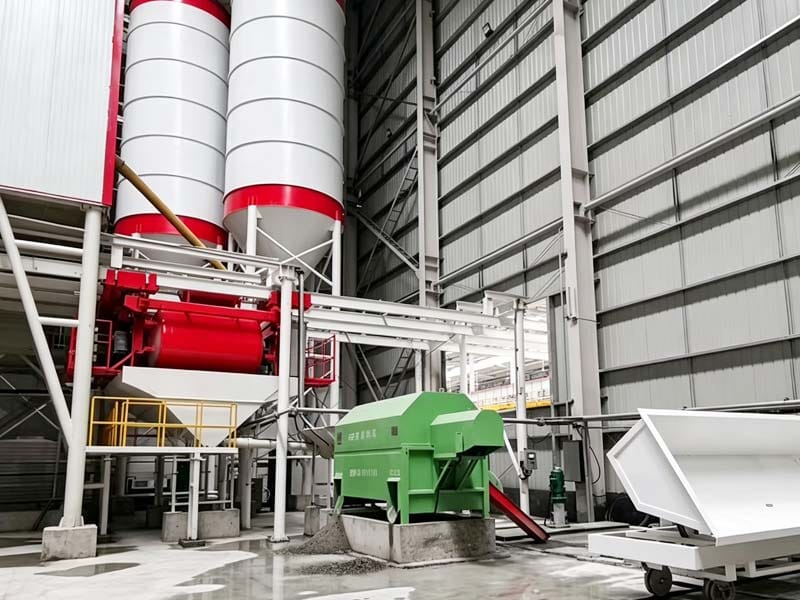
To obtain a useful precast concrete batching plant proposal, provide your product matrix, approved mix information, smallest and largest batches, peak casting schedule and measured factory layout.
Include the receiving equipment’s capacity, dimensions and travel sequence. Identify required records, planned recipe changes and future production lines. Mark assumptions clearly when the factory design is still developing.
Ask for a material-flow drawing, timed production sequence, equipment scope and acceptance plan. These documents make it possible to evaluate whether the proposed configuration can serve your actual casting line.
Conclusie
The right precast concrete batching plant supplies the casting line reliably across real batch sizes, recipes and production windows. Mixer output matters, but so do accurate dosing, delivery routes, control signals and verified concrete performance.
Send our team your product list, peak casting schedule and factory drawing. Contact us for a precast plant configuration review that connects the equipment proposal to the way your factory needs to operate.
FAQ
What is a precast concrete batching plant?
It is a batching and mixing system supplying concrete for manufactured components. Selection should consider the concrete specification, casting schedule, batch quantities and factory delivery routes. The receiving process is part of the design review, not simply a separate activity after mixing.
Is a planetary mixer essential for every precast application?
No mixer label replaces a performance review. Planetary mixing is used in our precast equipment range, but suitability should be demonstrated with representative materials and batch sizes. Review mixing uniformity, discharge performance and the concrete results required by the production process.
Can one plant supply several casting stations?
Potentially, provided the combined schedule, delivery routes and control arrangements are demonstrated. Review coincident demand and receiver readiness. Multiple outlets may provide routing options, but they do not automatically increase the mixing capacity available to those stations.
How small can a production batch be?
Use the validated minimum for the proposed configuration and mixture. Mixer performance, weighing range, additive dispensing and discharge all need checking. Do not select a universal percentage of nominal capacity without trial evidence covering the intended small-batch operation.
Does higher rated output guarantee more finished components?
No. Compare batching capacity with the casting window and downstream handling capacity. The worked example above shows how delivery can constrain a faster mixer. Review the complete production sequence before deciding that a larger mixing unit solves the factory’s limitation.


