
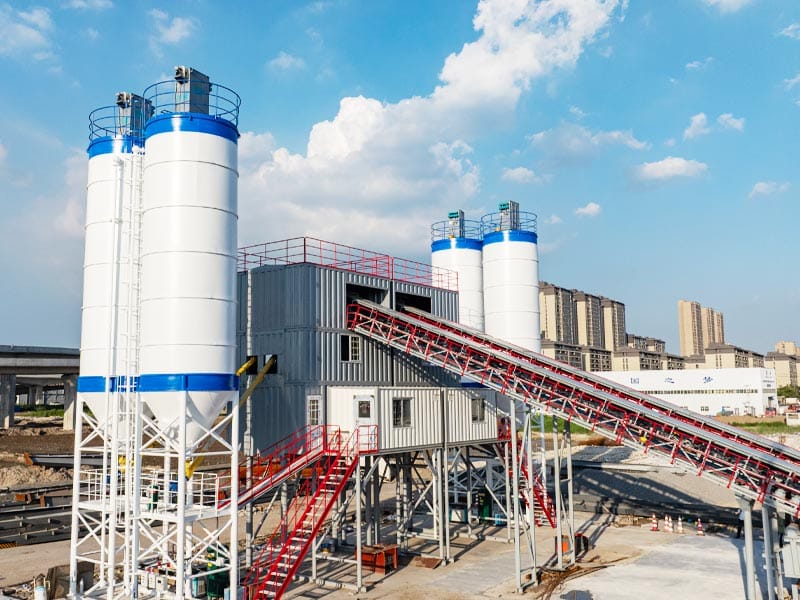
A concrete batching plant project brief should give the equipment supplier enough information to understand how the plant will actually be used. A request that says only “We need a 120 m³/h batching plant” leaves too many unanswered questions about concrete type, peak demand, aggregate supply, truck flow, site conditions, utilities and automation.
For buyers, a stronger brief shortens technical discussions and reduces the risk of receiving a generic quotation that does not fit the project. It helps the engineering team compare plant types, feeding methods, storage arrangements, control requirements and site layout using the same set of assumptions.
Nostru customized production solutions are based on project-specific capacity, material conditions, process requirements and site constraints. This guide explains what to include in a concrete batching plant project brief before asking for a final configuration.
What Is a Concrete Batching Plant Project Brief?
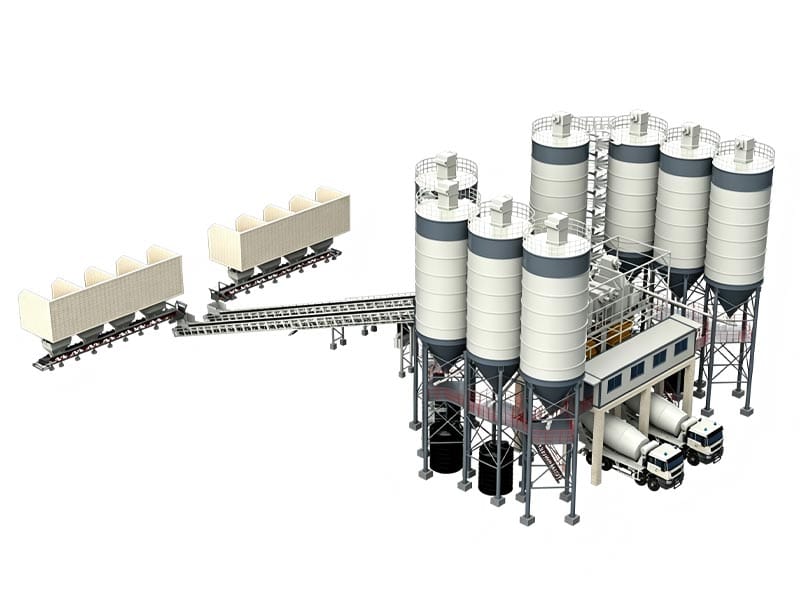
A concrete batching plant project brief is a structured summary of the technical and operating conditions that the plant must satisfy.
It normally includes:
- concrete application;
- required production schedule;
- aggregate and powder materials;
- water and admixtures;
- aspectul site-ului;
- truck or precast transport requirements;
- power and utilities;
- environmental constraints;
- automation and data requirements;
- future expansion.
The brief is not the final engineering drawing. It is the information package that allows the supplier to begin engineering with fewer assumptions.
Start with the Concrete Application
The first section should explain what the concrete is for.
A ready-mix plant serving commercial trucks has different interfaces from a precast factory, infrastructure project or mobile construction site.
In the concrete batching plant project brief, identify:
- ready-mix concrete;
- precast products;
- road or bridge construction;
- site concrete for one project;
- special concrete products;
- temporary or relocatable production.
This helps determine whether the engineering team should focus on truck dispatch, casting-line integration, mobility, small-batch control or another production requirement.
Define Required Output by Time Window, Not Only Hourly Capacity
A nominal hourly capacity does not explain the actual production schedule.
A concrete batching plant project brief should state:
| Input de producție | Example of useful information | De ce contează |
|---|---|---|
| Average daily concrete | Normal daily requirement | Supports storage and operating-plan review |
| Peak hourly demand | Highest expected production window | Helps size mixer and material flow |
| Continuous pour duration | How long peak output must be sustained | Shows whether storage and dispatch can keep up |
| Ore de funcționare | One shift, two shifts or continuous | Affects practical daily output |
| Seasonal variation | Peak versus low-demand periods | Helps avoid oversizing around one exceptional day |
The strongest concrete batching plant project brief separates average demand from peak demand.
List the Concrete Mix Families
The plant may need to produce several concrete families rather than one standard recipe.
Provide information about:
- normal-strength concrete;
- beton de înaltă rezistență;
- beton autoconsolidant;
- low-slump or stiff concrete;
- fiber-containing concrete;
- colored or architectural concrete;
- other specialty products.
This can affect mixer selection, batch size, mixing sequence, moisture control and cleaning.
For precast projects, our instalație de dozare prefabricată din beton uses a planetary mixer because the factory interface and product requirements differ from many general ready-mix applications.
State Minimum and Maximum Batch Size
A plant may need to produce both full production batches and small completion batches.
The concrete batching plant project brief should therefore include:
- normal batch volume;
- smallest routine batch;
- largest planned batch;
- frequency of small batches.
This is particularly important for precast factories, product development, or sites producing many different concrete grades.
A mixer selected only from peak output may not be the best fit if the plant spends much of the day producing small batches.
Describe Every Aggregate Fraction
Aggregate information is one of the most important parts of the brief.
List:
- numărul de fracții agregate;
- dimensiunea maximă a particulelor;
- normal moisture condition;
- expected bulk density where available;
- nisip natural sau fabricat;
- delivery method;
- daily consumption.
Caltrans plant-quality guidance requires aggregate sizes to be stored separately and handled in ways that avoid intermingling, contamination and segregation.
For equipment selection, the aggregate data help define bin count, weighing range and the feeding method.
Explain How Aggregate Will Reach the Plant
Aggregate supply affects both equipment configuration and site traffic.
A concrete batching plant project brief should explain whether aggregate is delivered by:
- dump truck to ground stockpiles;
- loader directly to aggregate bins;
- fixed conveyor from a crushing plant;
- underground hopper;
- another automated handling system.
This helps determine whether the plant needs loader access, long conveyors, receiving hoppers or another material-transfer arrangement.
It also supports the site-layout review before foundations and roadways are fixed.
List Cementitious Materials Separately
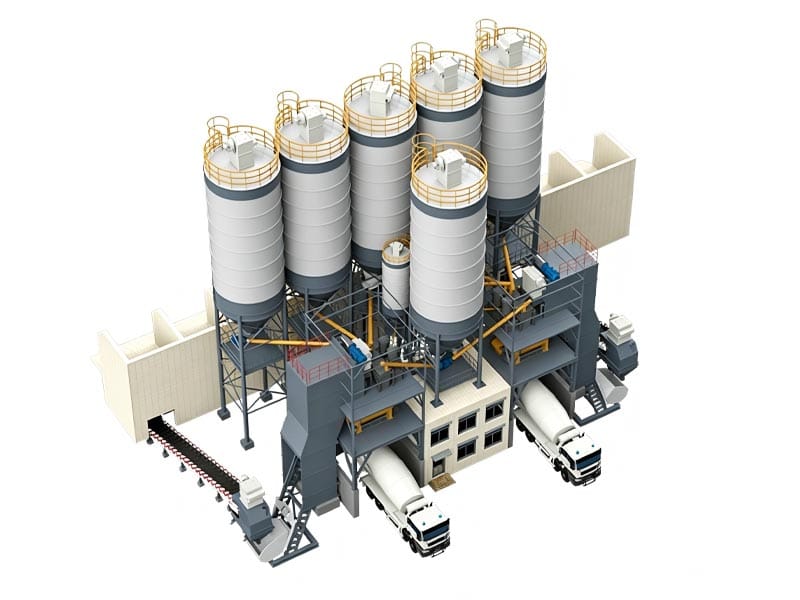
Do not write only “cement silo required.”
Identify every powder material that may need dedicated storage, such as:
- cement;
- fly ash;
- slag or other supplementary cementitious material;
- silica fume where applicable;
- other project-specific powders.
The concrete batching plant project brief should state normal consumption and whether all materials need to be available at the same time.
This determines silo count, screw conveying, powder weighing and tanker delivery planning.
Provide Water and Admixture Requirements
The plant should know how many liquid materials need to be measured independently.
Include:
- main water source;
- recycled process water if used;
- number of liquid admixtures;
- cea mai mică doză de amestec;
- temperature-control water requirements;
- any ice or heating system if planned.
The exact dosing configuration depends on the concrete products.
For a quality-sensitive application, the concrete batching plant project brief should also state whether automatic moisture correction is required.
Define Moisture-Control Expectations
Sand moisture can change throughout the day and affect both aggregate mass and total batch water.
If the project requires automatic moisture measurement, state:
- which aggregates should be monitored;
- whether automatic correction is required;
- where moisture probes may be installed;
- how often reference moisture checks will be performed.
Nostru ghid de corectare a umidității agregate explains why moisture should be treated as part of the material balance rather than only a water adjustment.
Choose Belt or Skip Feeding from the Project Conditions
The aggregate feeding method affects plant height, footprint, production rhythm and maintenance access.
A concrete batching plant project brief should indicate whether the project has a preference for:
- belt conveyor feeding;
- skip-hoist feeding;
- no preference, supplier to recommend.
If there is no preference, provide the information that allows the supplier to compare them: required output, site footprint, height limitations and aggregate flow.
Nostru transportor cu bandă vs ghid de ridicare explains the difference between these aggregate-transfer methods.
State Whether Silos Should Be Side-Mounted or Overhead
Silo arrangement is another independent layout decision.
Side-mounted and overhead silo arrangements change:
- horizontal footprint;
- structure height;
- powder transfer route;
- maintenance access;
- tanker delivery geometry.
The concrete batching plant project brief should identify any height limit, land constraint or maintenance preference that affects this choice.
Do not confuse silo position with aggregate feeding. A belt-fed plant can still use different silo arrangements.
Provide the Site Drawing Early
A site drawing can change the plant recommendation significantly.
Send:
- property dimensions;
- site entrance and exit;
- existing buildings;
- roads;
- property boundaries;
- topography where available;
- utilities;
- restricted areas;
- future expansion zones.
Nostru concrete batching plant layout guide explains why aggregate receiving, truck flow, cement delivery, maintenance and washout should be reviewed before final equipment positions are fixed.
Explain Truck Flow and Loading Requirements
For ready-mix plants, truck circulation is part of the production process.
The concrete batching plant project brief should include:
- mixer-truck size;
- expected number of trucks;
- peak queue length;
- single or separate entry and exit;
- loading-lane arrangement;
- truck wash requirements.
A plant with adequate mixing capacity can still lose output if truck movement is poorly planned.
If the site already has fixed roads or gates, show them on the layout drawing.
For Precast Plants, Include the Casting-Line Interface
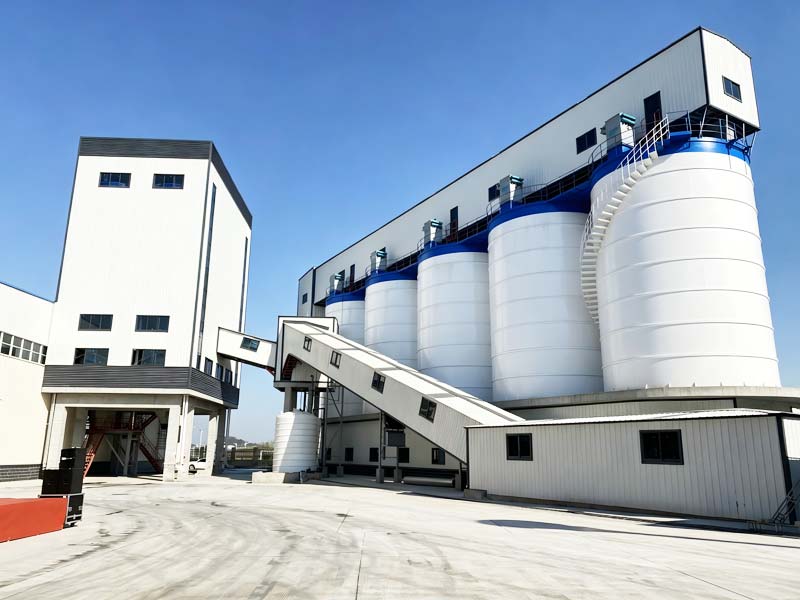
A precast concrete batching plant project brief needs more production-line information than a general ready-mix inquiry.
Furniza:
- number of casting stations;
- distance from mixer to each station;
- transport bucket or distributor concept;
- peak simultaneous concrete demand;
- batch size by product;
- production-line software interface needs.
Nostru ghid de transport prefabricat din beton explains why mixer output and concrete delivery need to be analyzed as one production cycle.
State Whether the Plant Must Be Mobile or Relocatable
A mobile or relocatable plant has different structural and installation requirements from a permanent plant.
For a mobile project, include:
- how often the plant will move;
- maximum transport dimensions allowed by local conditions;
- road access;
- crane availability;
- foundation expectations;
- setup schedule;
- utility reconnection requirements.
Nostru instalație mobilă de dozare a betonului uses an integrated modular frame and factory pre-installation approach, but project ground conditions and support requirements still need engineering review.
Provide Power, Water and Compressed-Air Information
Utilities should not be left until the end of the project.
The concrete batching plant project brief should list:
- available voltage;
- frequency;
- phase;
- available transformer or power capacity;
- water pressure and available flow;
- water-storage requirements;
- compressed-air source if existing;
- backup-power requirements.
If the plant will be exported to another region, do not assume the electrical standard matches the supplier’s default configuration.
Define Environmental and Permit Constraints
Dust, noise and process water can affect site approval and equipment layout.
Include any known requirements for:
- silo dust collection;
- aggregate enclosure;
- noise limits;
- washout-water management;
- stormwater separation;
- setbacks;
- covered stockpiles.
The concrete batching plant project brief should identify which requirements are legal permit conditions and which are customer preferences.
Nostru ghid de proiectare a mediului pentru instalații de dozare explains how dust, noise and water controls connect to plant layout.
Define Automation and Batch-Record Requirements
“Automatic control” is too broad to use as the only automation requirement.
Specify whether the plant needs:
- recipe management;
- user permissions;
- target-versus-actual batch records;
- corectarea umidității;
- alarm history;
- production reports;
- remote monitoring;
- integration with ERP, dispatch or precast systems.
Nostru ghid inteligent pentru instalațiile de dozare a betonului explains why automation and traceability should be defined as specific functions rather than one general feature.
Include Quality-Control and Calibration Expectations
The concrete batching plant project brief should also identify how the customer plans to verify plant performance.
Possible requirements include:
- verificarea scalei;
- moisture-probe checks;
- batch-record review;
- factory acceptance testing;
- site commissioning;
- representative production trials.
Nostru ghid de calibrare a instalației de dozare explains which measuring systems may need calibration or verification.
Plan Maintenance Access Before Finalizing the Layout
Maintenance needs should appear in the concrete batching plant project brief because they affect the final equipment arrangement.
State any requirements for:
- crane access;
- service platforms;
- mixer component removal;
- belt replacement;
- load-cell access;
- truck access to silos;
- spare-parts storage.
A plant should not be made so compact that routine component replacement becomes unnecessarily difficult.
Include Future Expansion Requirements
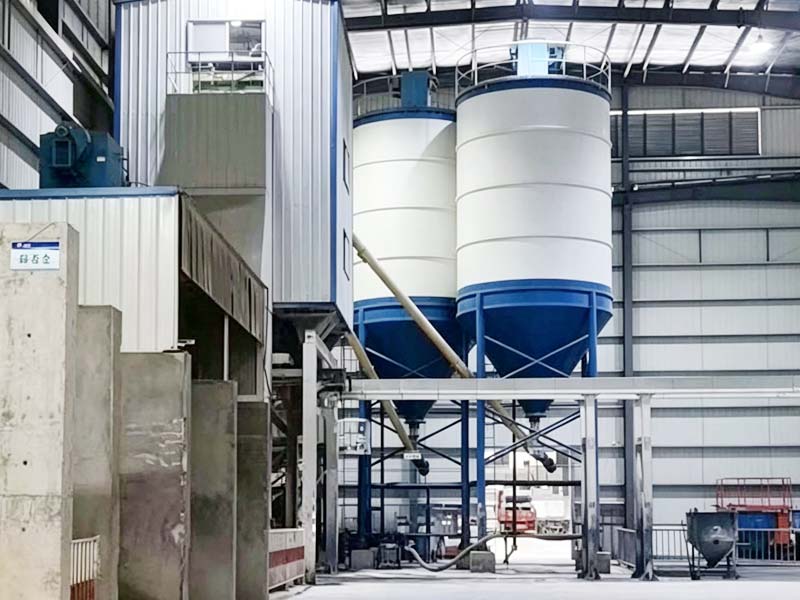
A project may later need:
- another cement silo;
- more aggregate fractions;
- a second truck loading lane;
- higher automation;
- another mixer;
- recycled-water treatment;
- additional production lines.
If future expansion is likely, include it in the initial concrete batching plant project brief.
It may change foundation layout, utility capacity, control-system I/O and the location of current equipment.
Use a One-Page Project Brief Summary
A concise first-page summary helps every supplier work from the same basic assumptions.
| Project brief field | Informații de furnizat |
|---|---|
| Application | Ready-mix, precast, infrastructure, project site or other |
| Peak output | Required production during the busiest window |
| Concrete types | Main mix families and special products |
| Agregat | Fractions, size, moisture and delivery method |
| Powders | Number of cementitious materials and storage needs |
| Site | Dimensions, roads, height limits and constraints |
| Utilities | Power, water and air |
| Automation | Batch records, remote monitoring and interfaces |
| Expansion | Expected future additions |
Then attach drawings, material lists and more detailed specifications behind the summary.
What Should You Send MixingPlantPro for an Engineering Review?
For an initial engineering review, send as much of the following as is available:
- project application;
- required concrete output;
- familii de amestecuri de beton;
- aggregate fractions and moisture;
- cementitious materials;
- numărul de amestecuri;
- site layout drawing;
- truck or precast transport requirements;
- power and water information;
- environmental requirements;
- automation needs;
- future expansion plan.
Missing information can be confirmed later, but the more complete the concrete batching plant project brief is at the beginning, the more useful the first proposed configuration will be.
Send your project brief and site information through our contact pagină for an engineering review.
Concluzie
A concrete batching plant project brief should describe the production system, not only the desired hourly capacity. Concrete application, batch sizes, aggregates, powders, site layout, truck flow, utilities, environmental constraints and automation all influence the final plant configuration.
The best project brief gives the supplier enough information to understand peak demand, material flow and physical site limits before equipment positions are fixed.
When buyers provide this information early, technical discussions become more focused and the proposed plant is more likely to match the real operating conditions.
FAQ
What is the most important information in a concrete batching plant project brief?
Start with the concrete application, peak production requirement, material list, site layout and delivery or casting interface. These inputs affect most major equipment and layout decisions.
Is hourly capacity enough to select a batching plant?
No. Buyers should also provide peak-duration requirements, daily operating hours, batch sizes, truck flow and material replenishment. The same nominal output can require different configurations under different operating schedules.
Should I send a site drawing before choosing the plant?
Yes. Site dimensions, roads, property boundaries, existing buildings and height limits can affect plant type, silo arrangement, truck routes and conveyor layout.
What material information should be included?
Provide aggregate fractions, particle sizes, moisture, powder materials, water source, admixture count and approximate consumption where available. This helps define storage, weighing and dosing systems.
Can MixingPlantPro recommend a configuration if some project data are missing?
An initial concept can be discussed with partial information, but final equipment and layout decisions should be based on confirmed production, material, site and utility conditions.


