
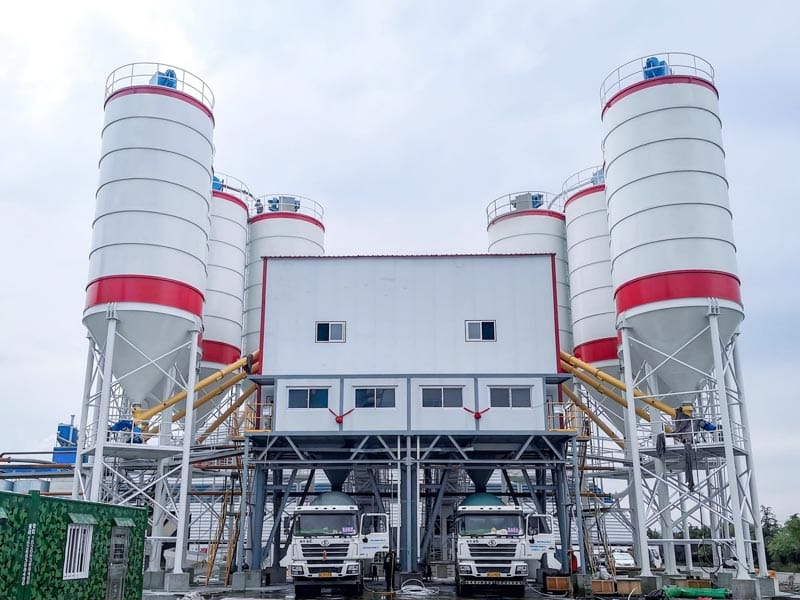
Cement weighing is a critical part of concrete batching because cementitious materials are measured in much smaller quantities than aggregates but have a strong effect on paste volume, water demand, strength development and concrete consistency. A batching plant can have a correctly calibrated cement scale and still produce unstable results if the feeder overshoots, powder remains in the hopper, flexible connections interfere with the scale, or aerated cement continues falling after cutoff.
For buyers and plant teams, the key is to separate three questions: Is the cement scale measuring correctly? Is the feeding system stopping at the right time? And does the entire weighed quantity actually reach the mixer?
Naše overhead belt concrete mixing plant a boční pásová betonárna use powder weighing systems integrated with automated batching. The side-mounted belt configuration also uses dual butterfly valves for coarse and fine powder metering. This guide explains what can affect cement weighing and how to diagnose variation without treating every problem as a scale-calibration issue.
What Does Cement Weighing Control?
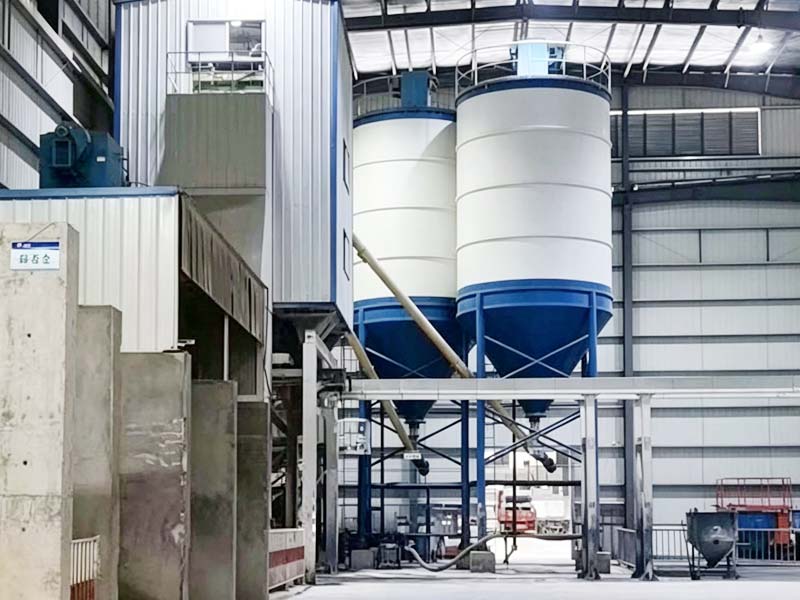
Cement weighing converts the recipe target for cement and other cementitious powders into an actual measured batch quantity.
Depending on the plant, one powder weigh hopper may handle:
- cement;
- popílek;
- slag or other supplementary cementitious materials;
- jiné prášky specifické pro projekt.
The control system may weigh these materials separately or cumulatively.
NRMCA’s current plant certification guidance requires verification of scales through the actual range of use and requires detailed scale verification records rather than a simple certificate stating that the scale is acceptable.
For cement weighing, that means the scale should be evaluated under the real production range used by the plant.
Scale Calibration Is Only the First Check
A cement scale can indicate reference test loads correctly and still produce poor automatic batches.
This happens because calibration proves the measuring relationship, while automatic batching also depends on the feeder, cutoff timing and powder behavior.
For cement weighing, separate:
| Check | What it proves | What it does not prove |
|---|---|---|
| Scale calibration | The indicated weight matches a known reference load. | The feeder will stop without overshoot. |
| Automatic dosing trial | The feeding system can approach a production target. | The reference scale itself is calibrated. |
| Transfer check | The weighed powder reaches the mixer. | The initial weighing value was correct. |
A complete cement weighing verification needs all three perspectives.
Mechanical Interference Can Distort the Scale Reading
A weigh hopper must be mechanically free so the load is transferred through the intended load cells.
If a hopper touches surrounding steelwork, a rigid chute, a dust connection or hardened powder buildup, the scale can show a biased or unstable value.
Inspect:
- hopper clearance;
- load-cell mounts;
- flexible sleeves;
- dust-extraction connections;
- powder buildup;
- cables and hoses;
- mechanical stops.
Cement weighing can therefore change even when the load cells themselves are functioning correctly.
Flexible Connections Must Stay Flexible
Powder weigh hoppers need connections to feeding and discharge equipment, but those connections should not carry unintended load.
A flexible sleeve that becomes rigid because of hardened cement, incorrect installation or excessive tension can affect cement weighing.
During inspection, check whether the connection:
- moves freely through the weighing range;
- is packed with powder;
- is twisted or stretched;
- touches nearby structure;
- changes condition when the hopper fills.
A scale can appear stable when empty but become biased as the flexible connection changes shape under load.
Zero Drift Can Indicate Residue or Mechanical Contact
A cement scale should return to a repeatable empty condition after discharge.
If the zero changes from batch to batch, investigate before repeatedly resetting it.
Possible causes include:
- cement remaining in the hopper;
- powder stuck around the discharge valve;
- flexible connection interference;
- vibration;
- electrical instability;
- load-cell or mount problems.
For cement weighing, record the as-found zero before adjustment. A recurring shift can reveal a developing mechanical problem.
Coarse and Fine Feeding Help Control Final Weight
Powder systems often use a fast initial feed followed by a slower final feed near the target.
Our side-mounted belt plant uses dual butterfly valves for coarse and fine powder metering.
The purpose is to move most of the cement quickly, then approach the target more carefully.
For cement weighing, check:
- where coarse feed stops;
- where fine feed begins;
- how long powder continues falling after cutoff;
- final settled weight;
- repeatability across several batches.
If coarse feeding continues too close to the target, overshoot may increase. If fine feeding begins too early, the cycle can become unnecessarily slow.
Powder in Flight Can Cause Overshoot
When a valve closes, cement already moving through the chute continues falling into the scale.
This delayed material is sometimes called material in flight.
The amount depends on:
- feed rate;
- valve closing speed;
- drop height;
- powder aeration;
- chute geometry.
Cement weighing controls may use pre-act or cutoff compensation so the valve closes before the displayed weight reaches the final target.
If overshoot changes from one powder material to another, the problem may be feeding behavior rather than calibration.
Aerated Cement Can Continue Flowing After Cutoff
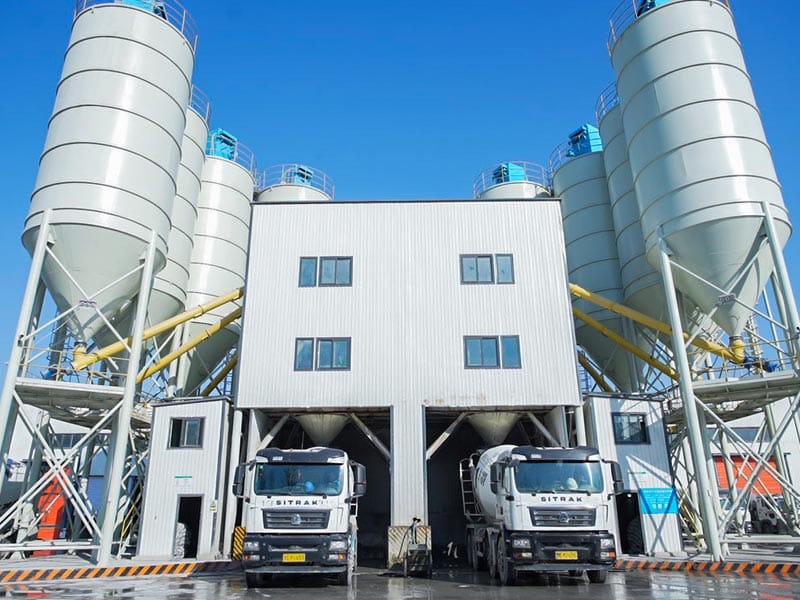
Cement can become aerated during pneumatic filling or silo discharge.
Aerated powder can flow more freely and can behave differently from settled material.
For cement weighing, this can change:
- feed rate;
- material-in-flight quantity;
- settling time;
- apparent bulk density;
- final overshoot.
If a plant shows more weighing variation immediately after a silo has been filled, compare the result with later batches after the material has settled.
The scale may be correct while the powder flow condition changes.
Silo Pressure and Aeration Systems Can Affect Powder Flow
Powder silos may use aeration or flow-assistance devices to help cement discharge.
If these systems change the flow condition, cement weighing can also change.
Recenze:
- air pressure;
- air pad or aerator operation;
- timing;
- powder discharge rate;
- whether one silo behaves differently from another.
Too little assistance can create slow or unstable feeding. Too much can make powder flow too freely and increase overshoot.
Bridging Above the Screw Can Cause Underfeed
Cement can bridge or rathole inside the silo or intermediate hopper.
If the screw feeder receives less material than expected, cement weighing slows or times out.
Operators may see:
- dlouhé doby plnění;
- low screw motor load;
- intermittent feed;
- dávky s podváhou;
- sudden surges after the bridge collapses.
Do not increase screw speed before confirming that material is reaching the screw inlet consistently.
Screw Conveyor Condition Can Change Weighing Time
Powder feeding often depends on screw conveyors between the silo and weigh hopper.
Wear, buildup, incorrect rotation, damaged flights or bearing problems can reduce feeding capacity.
For cement weighing, monitor:
- filling time;
- zatížení šroubového motoru;
- noise;
- hromadění materiálu;
- discharge rate;
- changes after maintenance.
A longer filling time does not automatically mean the scale is wrong.
Different Cementitious Materials Need Different Feeder Settings
Cement, fly ash and slag can have different bulk densities and flow behavior.
If one weigh hopper handles several powders, the same feeder cutoff settings may not work equally well for every material.
Cement weighing and powder weighing should therefore be optimized by material.
Porovnat:
- coarse-feed cutoff;
- fine-feed cutoff;
- settling time;
- overshoot;
- repeatability.
A stable cement setup should not automatically be copied to fly ash or another powder.
Cumulative Powder Weighing Can Hide Individual Errors
If several powders are weighed cumulatively in one hopper, the final total can be correct while the individual quantities are wrong.
Consider a simple example:
| Powder | Target | Actual |
|---|---|---|
| Cement | 350 kg | 340 kg |
| Fly ash | 100 kg | 110 kg |
| Celkem | 450 kg | 450 kg |
The final scale total is correct, but the binder proportions are not.
For cumulative cement weighing, preserve the incremental result of each material rather than reviewing only the final hopper total.
Low Cement Targets Need Their Own Verification
Small batches or low-binder mixes can place the cement scale near the lower end of its operating range.
A fixed 2 kg overshoot is only 0.5% of a 400 kg target but 2% of a 100 kg target.
This arithmetic example is illustrative only.
NRMCA requires scale checks through the range of use, which reinforces the need to verify cement weighing at realistic low and normal production loads.
Do not validate only near the scale’s high operating range.
Residual Cement Can Break the Link Between Weighed and Delivered Mass
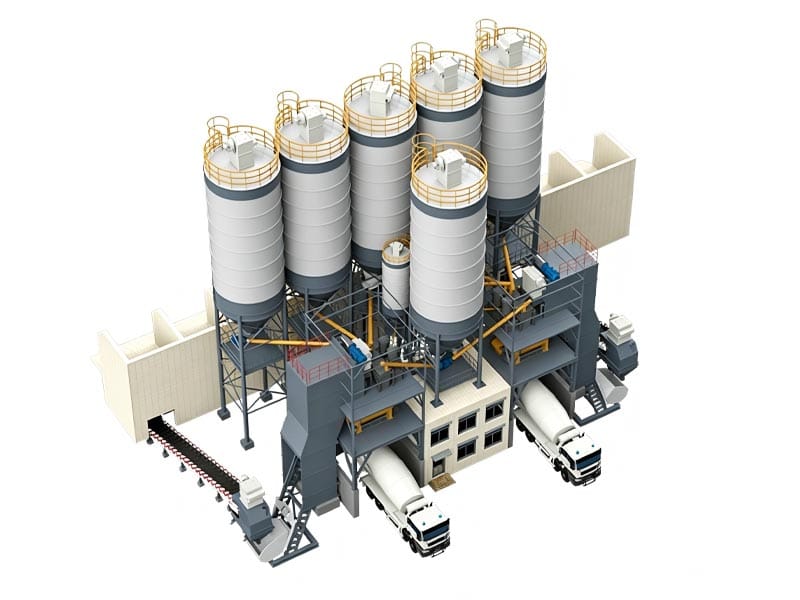
The cement scale can show the correct quantity while less powder reaches the mixer.
Material can remain:
- inside the weigh hopper;
- around the discharge valve;
- in the chute;
- inside a transfer screw;
- on a flexible sleeve.
For cement weighing, define where the measured quantity is considered delivered.
A transfer check may be needed during commissioning to confirm complete discharge.
Discharge Valve Timing Can Affect the Next Batch
If a cement weigh hopper does not empty completely before the next weighing cycle begins, residual material can bias the next batch.
Kontrola:
- full valve opening;
- discharge duration;
- geometrie násypky;
- powder buildup;
- empty confirmation;
- zero return after discharge.
Repeated cement weighing drift can therefore originate after the weighing step rather than during filling.
Vibration Can Disturb the Final Weight Signal
Concrete batching plants contain mixers, conveyors, compressors and other vibration sources.
If the powder scale is structurally affected, the final cement weighing value can fluctuate before the control system accepts it.
Recenze:
- scale settling time;
- nearby equipment operating state;
- structural modifications;
- load-cell cable routing;
- signal filtering.
Software filtering should not be used to hide a mechanical vibration problem.
Dust Extraction Connections Can Influence the Scale
Powder weighing generates dust, so weigh hoppers may be connected to dust-control systems.
If the connection is too rigid or if pressure conditions create force on the hopper, cement weighing can be affected.
The dust-control system should therefore be reviewed together with the scale mechanics.
Kontrola:
- flexible duct connections;
- negative pressure;
- filter condition;
- powder buildup;
- whether the reading changes when dust extraction starts.
Dust control is necessary, but it should not interfere with weighing.
Use Batch Records to Find Systematic Drift
One unusual cement batch may be random. Repeated heavy or light results indicate a systematic process issue.
NRMCA quality-certification guidance expects batch records to show target and actual quantities for cementitious materials, aggregates, water and admixtures.
Track cement weighing by:
- powder type;
- target;
- actual;
- signed deviation;
- filling time;
- coarse/fine feed timing;
- silo used;
- time since silo filling.
This can reveal whether variation follows one silo, one material or one operating condition.
Calibration and Automatic Dosing Tuning Are Different
Calibration verifies that the scale measures a known load correctly.
Dosing tuning adjusts the feeding sequence so the automatic batch reaches the target consistently.
For cement weighing, do not change the calibration relationship to compensate for feeder overshoot.
If the scale is correct but automatic batches are consistently heavy, investigate cutoff timing, material in flight and feeder behavior.
Naše průvodce kalibrací dávkovacího zařízení explains this distinction in more detail.
What Should a Cement Weighing Acceptance Test Include?
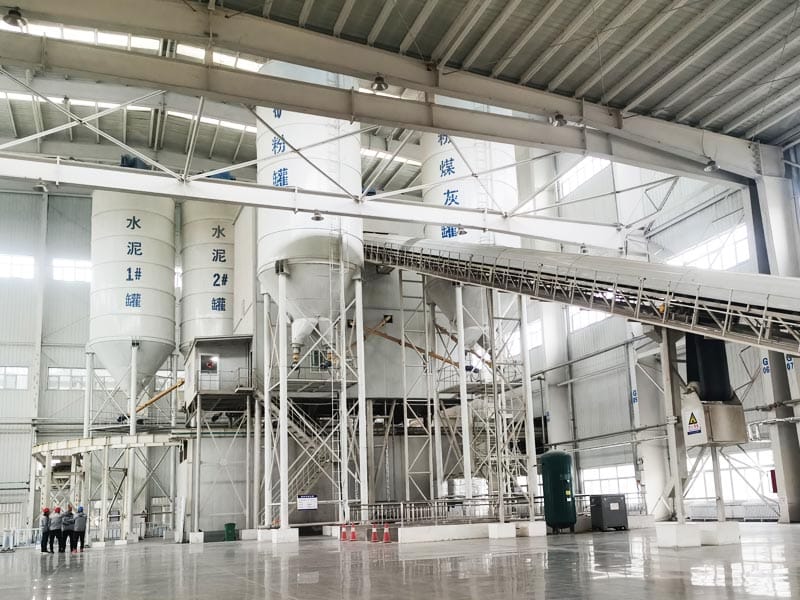
A new batching plant should verify the powder scale and the automatic feed system separately.
Zahrnout:
- zero check;
- reference-load verification through the working range;
- test of each powder feeder;
- coarse/fine feed transition;
- settled final weight;
- low and normal target quantities;
- complete hopper discharge;
- repeatability over several automatic batches;
- batch-record output.
NRMCA’s inspection process also emphasizes that batching systems should accurately batch concrete without interference and that measuring devices should be maintained within requirements.
What Should Buyers Send for Powder Weighing Design?
A useful cement weighing review needs the actual binder system.
Poskytněte:
- number of powder materials;
- minimum and maximum dose of each powder;
- normal batch size;
- required production rate;
- silo arrangement;
- whether powders are weighed separately or cumulatively;
- quality-control requirements;
- future powder additions.
Naše customized plant configuration service can use these inputs to define the powder storage, weighing and control architecture.
Send your batching requirements and binder system through our kontaktní stránka for a technical review.
Závěr
Cement weighing consistency depends on more than scale calibration. Flexible connections, zero stability, coarse/fine feeding, material in flight, powder aeration, silo flow, screw conveyors, cumulative weighing and complete discharge can all affect the final result.
The strongest troubleshooting method verifies the scale first, then separates measurement from feeding and transfer.
When powder behavior, feeder control and batch records are reviewed together, plant teams can identify the real cause of variation instead of repeatedly recalibrating a scale that may already be correct.
FAQ
What causes cement weighing variation in a batching plant?
Common causes include scale drift, mechanical interference, flexible-connection problems, feeder overshoot, aerated cement, bridging, screw-conveyor changes, residual powder and cumulative weighing errors.
Why does cement overshoot after the feed valve closes?
Powder already moving through the chute continues falling after cutoff. This material in flight can push the final weight above target, especially when cement flow is highly aerated or fast.
Does cement scale calibration fix feeder overshoot?
No. Calibration checks measurement accuracy. Feeder overshoot should be corrected through dosing controls such as coarse/fine feed timing or cutoff compensation.
Can fly ash and cement use the same weighing settings?
They may use the same scale, but their bulk density and flow behavior can differ. Feeder cutoffs and settling conditions should be validated for each powder rather than assumed identical.
What should be checked during cement weighing commissioning?
Verify the scale through its working range, test each powder feeder, check coarse/fine feed transitions, confirm complete discharge and review repeated automatic batches and batch records.


