
Thermal Insulation Mortar Production: Material Handling Questions

Thermal insulation mortar production places unusual demands on a dry mortar plant because some of the materials used for insulation are much lighter, more fragile or less free-flowing than conventional sand and cement. A line designed around dense mineral materials can behave very differently when it starts handling low-bulk-density lightweight aggregate, expanded particles, fibers or fine insulating fillers. For equipment buyers, the first design question should therefore be material behavior, not only tonnes per hour. Storage volume, feeder type, weighing range, conveying speed, mixer fill level and packaging performance can all change when lightweight materials are introduced. Our tower-type dry mortar mixing plant supports special mortar production including thermal insulation […]
Water Dosing in Concrete Batching: Weighing vs Flow Measurement

Water dosing is one of the most sensitive parts of concrete batching because the total water in the mixture affects workability, water-cementitious ratio, strength development, setting behavior and consistency from batch to batch. A batching plant may measure water by weight in a dedicated water weigh hopper, by volume through a calibrated water meter, or through a combination of measured water streams. For buyers, the right choice is not simply “weighing is accurate” or “flow meters are faster.” Both systems can be suitable when they are correctly sized, calibrated, verified and integrated with aggregate moisture correction. The important question is whether the selected water dosing system can consistently deliver the […]
Manufactured Sand Screening: Choosing the Fractions You Need

Manufactured sand screening is the stage that converts a mixed crushed-sand stream into controlled particle-size fractions that can be stored, blended and used consistently. A sand-making line can produce enough total tonnes per hour and still fail the downstream mortar or concrete process if the required fine, medium or coarse fraction is not available in the right proportion. For equipment buyers, screening should therefore be designed from the finished product backward. The first questions are not only “What screen size should we install?” but “Which sand fractions do our products need, how much of each fraction is required, and what happens to material outside those ranges?” Our manufactured sand production […]
プレキャスト橋梁: ビームヤードのバッチプラント要件
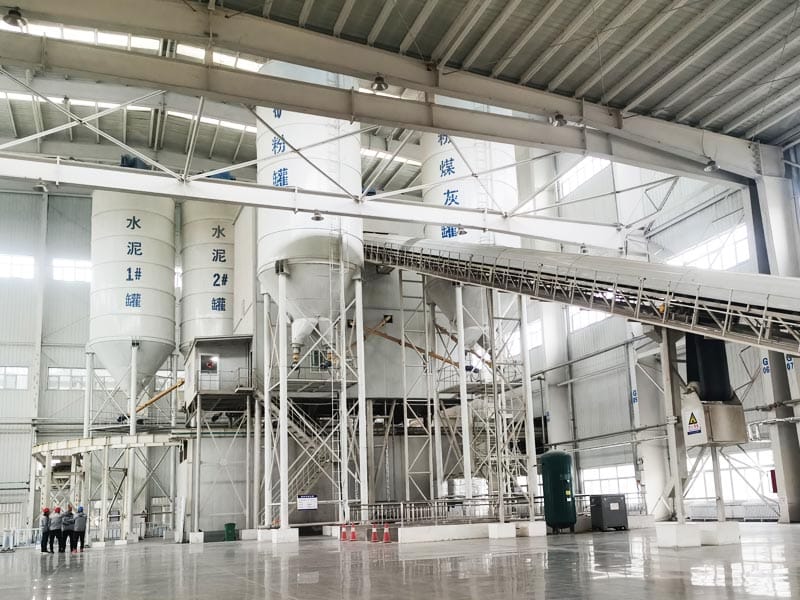
Precast bridge beams place demanding requirements on concrete batching because the plant must support repetitive production of large structural members, often with prestressing, controlled curing, strict dimensional tolerances and a fixed casting schedule. A batching plant that works well for general ready-mix production may not automatically fit a beam yard. For buyers, the important question is not only how many cubic meters per hour the plant can produce. The plant also needs to maintain batch-to-batch consistency, support the required concrete family, deliver the right batch size to long casting beds, manage aggregate moisture and temperature, and preserve traceability from the batching record to the individual beam production lot. Our precast […]
乾燥モルタル原料: プラント設計者が知っておくべきこと

Dry mortar raw materials determine much more than the final product formula. They influence silo count, sand drying, weighing ranges, micro-dosing, screw-conveyor design, mixer loading, dust collection, cleaning requirements and packaging behavior. Two factories making “dry mortar” can therefore need very different production lines even when their target output appears similar. For equipment buyers, the most useful starting point is not a request for a certain tonnes-per-hour figure. It is a complete material list showing how each raw material is delivered, stored, measured, transferred and consumed. Our dry mortar production solutions are configured according to raw materials, product formulations, production capacity and site conditions. This guide explains which dry mortar […]
コンクリートバッチングプラントの能力: 評価された生産量と実際の生産量
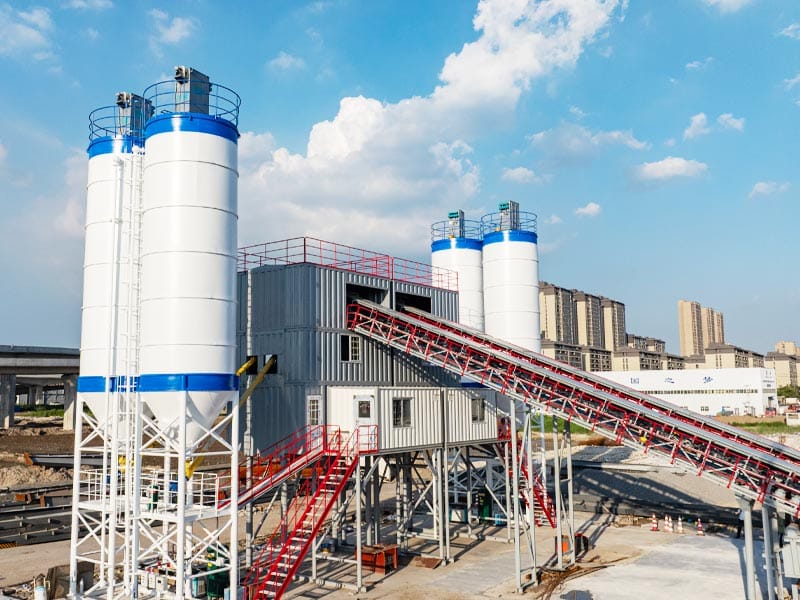
Concrete batching plant capacity is often presented as a rated hourly output, but the number on a product table does not automatically equal the amount of concrete a plant will deliver during a real working shift. Actual production depends on the complete batching cycle, material supply, weighing time, aggregate transfer, mixing, discharge, truck availability, recipe changes and planned or unplanned stops. For buyers, this distinction matters because a plant selected only from a headline m³/h figure can be oversized in one project and undersized in another. A commercial ready-mix plant with continuous truck demand has a different operating pattern from a precast factory, a mobile project plant or a site […]
乾燥モルタルミキサー洗浄:安全なアクセスと製品の分離
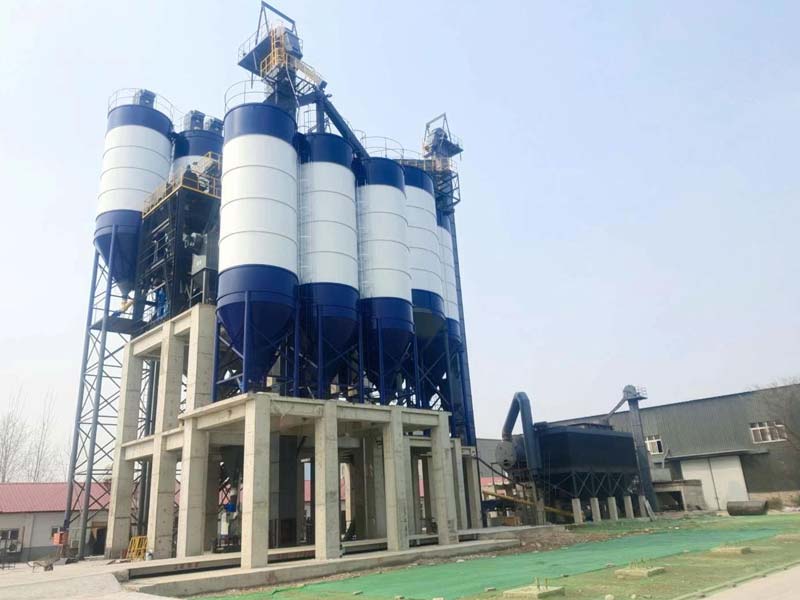
Dry mortar mixer cleaning is not only a housekeeping task. In a multi-product plant, cleaning determines whether residue from the previous batch remains inside the mixer, enters the next formulation, blocks inspection points, or creates a safety problem when technicians access the equipment. For dry mortar producers, the cleaning plan should distinguish normal production cleaning, product-changeover cleaning and internal maintenance cleaning. These activities have different objectives and different safety requirements. A quick purge between similar products is not the same as opening the mixer for manual cleaning, and neither should be treated as a substitute for proper inspection. Our workshop-type dry mortar mixing plant uses a horizontal layout with screw […]
バッチングプラントの供給範囲: 何を明確に定義する必要がありますか?
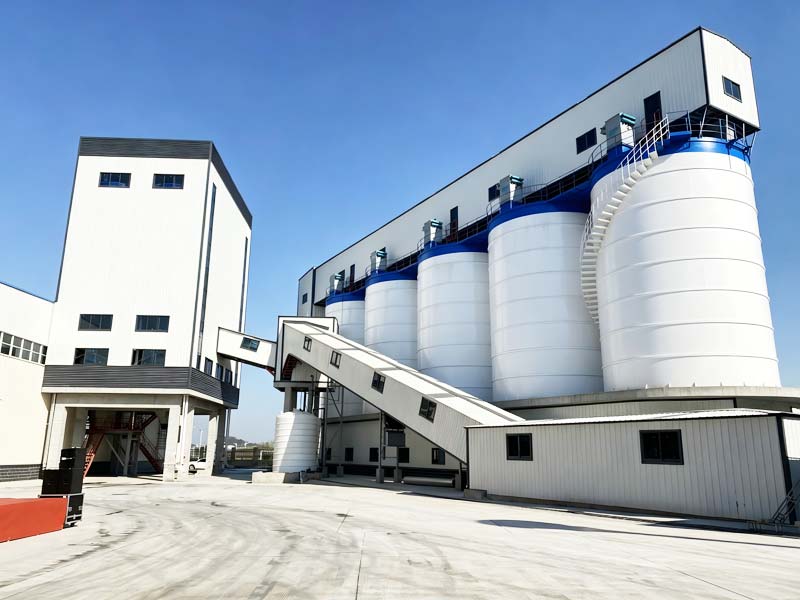
A batching plant scope of supply should define exactly what the equipment supplier will provide, what the buyer must prepare, and where the technical responsibility changes from one party to another. Without that definition, two quotations that look similar can actually include very different equipment, services, drawings, installation support and commissioning responsibilities. For buyers, this is one of the most important documents in a concrete batching plant project. A low equipment price can become misleading if silos, control cabinets, air compressors, cables, foundations, erection supervision or commissioning are excluded. At the same time, suppliers should not be expected to provide civil works, utility infrastructure or third-party interfaces unless those items […]
砂の等級付け曲線: モルタル植物の選択のためにそれを読む方法
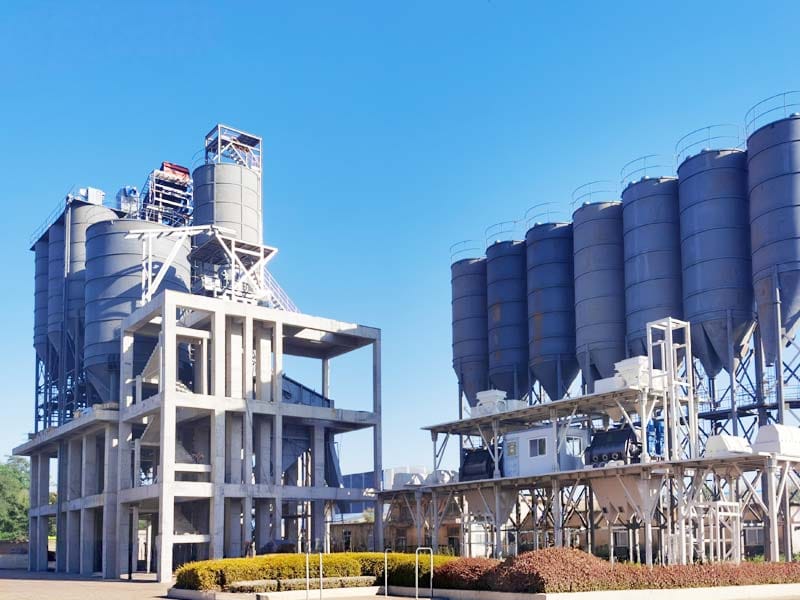
A sand grading curve is one of the most useful documents for selecting a manufactured sand and dry mortar production system. It shows how the material is distributed across different particle sizes, which helps determine whether one sand fraction can be used directly, whether several fractions should be separated, and how many storage bins the mortar plant may need. For equipment buyers, the curve should not be treated as a laboratory chart that belongs only to quality control. It directly affects screening, classification, storage, dosing and even packaging. A plant designed around one broad sand fraction may become inflexible if the product portfolio later needs a narrower fine fraction for […]
バッチングプラントの潤滑: 機器固有のスケジュールを作成します
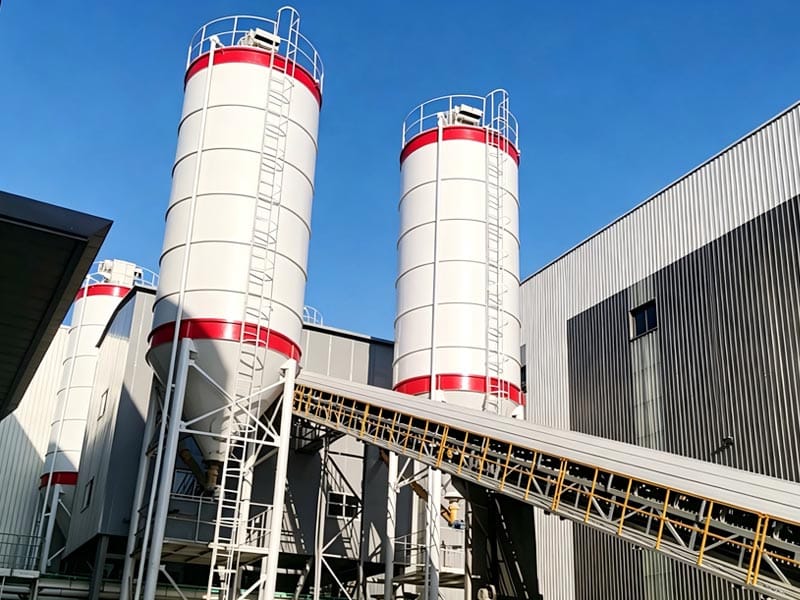
Batching plant lubrication should not be managed with one universal calendar. A concrete batching plant contains several mechanical systems with different speeds, loads, sealing conditions and exposure to dust, cement paste, moisture and vibration. Mixer shaft ends, bearings, gearboxes, conveyor drives, skip-hoist components and other moving parts may all need lubrication, but they do not necessarily need the same lubricant, quantity or service interval. For plant teams, the goal is to build a lubrication schedule from the actual equipment manual, operating duty and condition history. A schedule copied from another plant can lead to both under-lubrication and over-lubrication. Our side-mounted belt concrete mixing plant combines aggregate conveying, powder feeding, weighing […]