
Thermal Insulation Mortar Production: Material Handling Questions

Thermal insulation mortar production places unusual demands on a dry mortar plant because some of the materials used for insulation are much lighter, more fragile or less free-flowing than conventional sand and cement. A line designed around dense mineral materials can behave very differently when it starts handling low-bulk-density lightweight aggregate, expanded particles, fibers or […]
Dosage de l'eau dans le béton : pesée par rapport à la mesure du débit

Water dosing is one of the most sensitive parts of concrete batching because the total water in the mixture affects workability, water-cementitious ratio, strength development, setting behavior and consistency from batch to batch. A batching plant may measure water by weight in a dedicated water weigh hopper, by volume through a calibrated water meter, or […]
Criblage de sable fabriqué : choisir les fractions dont vous avez besoin

Manufactured sand screening is the stage that converts a mixed crushed-sand stream into controlled particle-size fractions that can be stored, blended and used consistently. A sand-making line can produce enough total tonnes per hour and still fail the downstream mortar or concrete process if the required fine, medium or coarse fraction is not available in […]
Poutres de pont préfabriquées : exigences des usines de broyage pour les cours de poutres
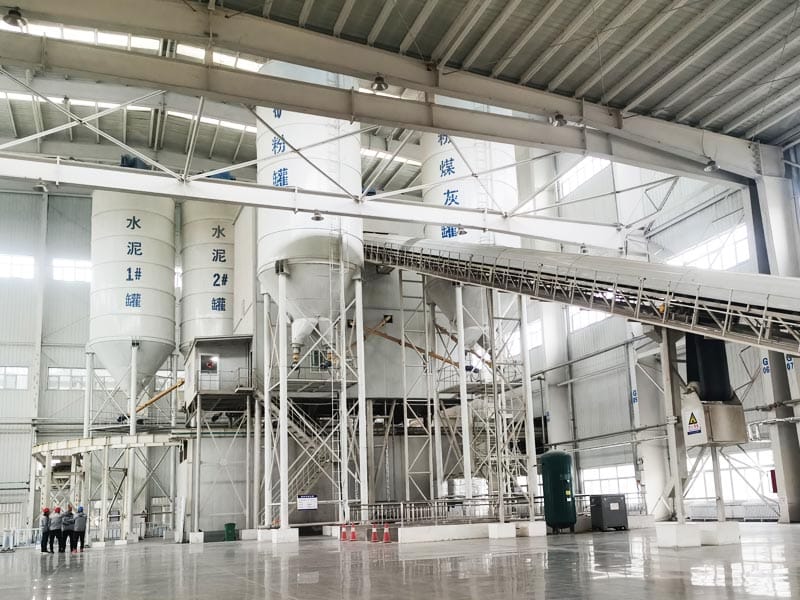
Precast bridge beams place demanding requirements on concrete batching because the plant must support repetitive production of large structural members, often with prestressing, controlled curing, strict dimensional tolerances and a fixed casting schedule. A batching plant that works well for general ready-mix production may not automatically fit a beam yard. For buyers, the important question […]
Dry Mortar Raw Materials: What Plant Designers Need to Know

Dry mortar raw materials determine much more than the final product formula. They influence silo count, sand drying, weighing ranges, micro-dosing, screw-conveyor design, mixer loading, dust collection, cleaning requirements and packaging behavior. Two factories making “dry mortar” can therefore need very different production lines even when their target output appears similar. For equipment buyers, the […]
Concrete Batching Plant Capacity: Rated Output vs Actual Production
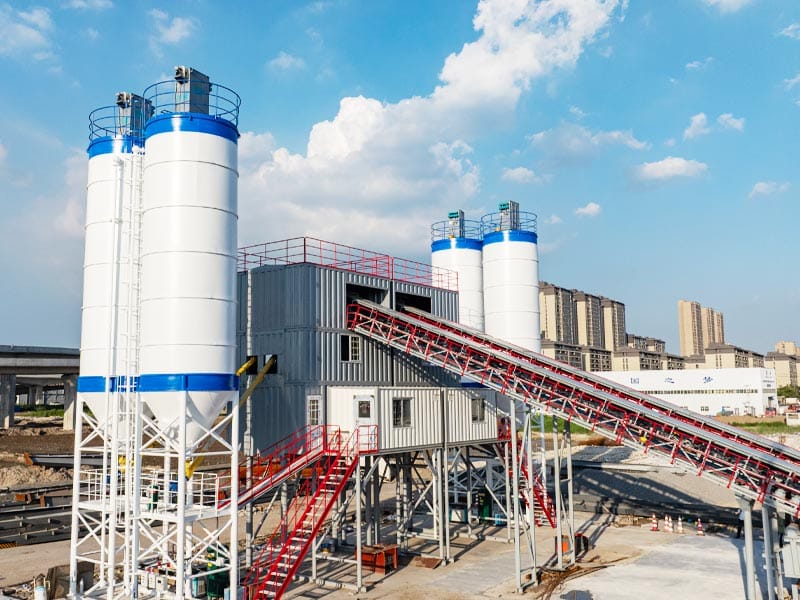
Concrete batching plant capacity is often presented as a rated hourly output, but the number on a product table does not automatically equal the amount of concrete a plant will deliver during a real working shift. Actual production depends on the complete batching cycle, material supply, weighing time, aggregate transfer, mixing, discharge, truck availability, recipe […]
Nettoyage de mélangeur à mortier sec : accès sûr et séparation des produits
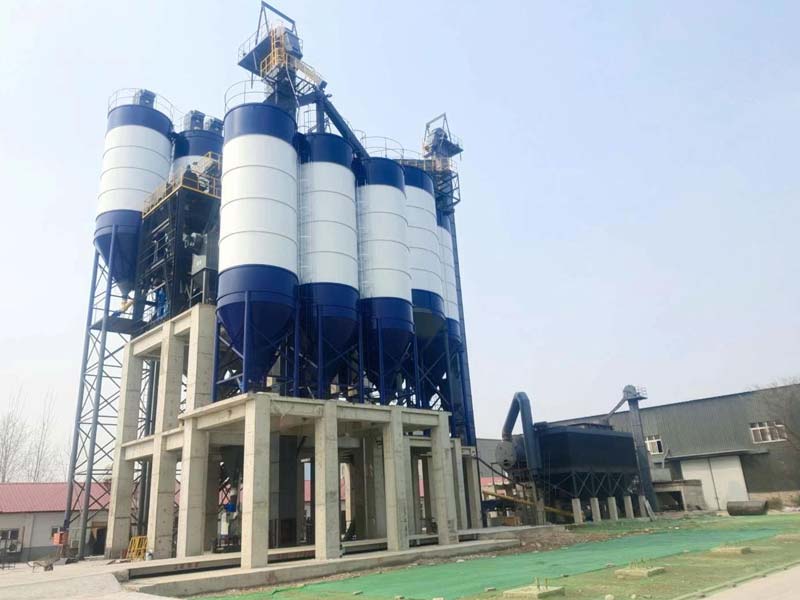
Dry mortar mixer cleaning is not only a housekeeping task. In a multi-product plant, cleaning determines whether residue from the previous batch remains inside the mixer, enters the next formulation, blocks inspection points, or creates a safety problem when technicians access the equipment. For dry mortar producers, the cleaning plan should distinguish normal production cleaning, […]
Portée de l’approvisionnement des usines de brassage : que faut-il clairement définir ?
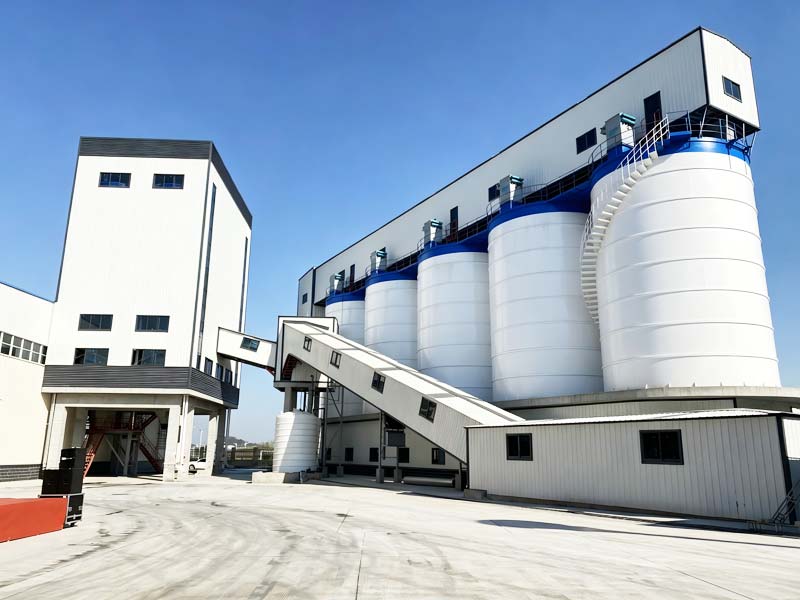
A batching plant scope of supply should define exactly what the equipment supplier will provide, what the buyer must prepare, and where the technical responsibility changes from one party to another. Without that definition, two quotations that look similar can actually include very different equipment, services, drawings, installation support and commissioning responsibilities. For buyers, this […]
Courbe de classement du sable : comment la lire pour la sélection des usines de mortier
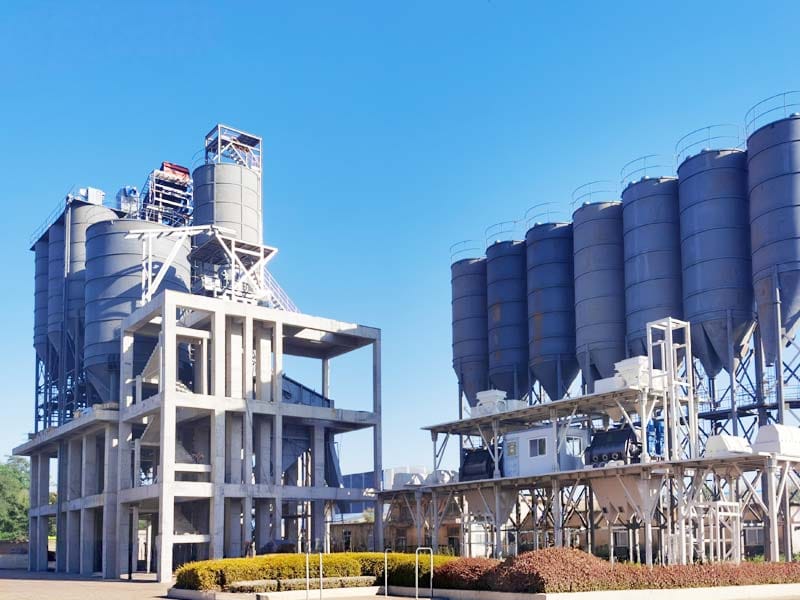
A sand grading curve is one of the most useful documents for selecting a manufactured sand and dry mortar production system. It shows how the material is distributed across different particle sizes, which helps determine whether one sand fraction can be used directly, whether several fractions should be separated, and how many storage bins the […]
Lubrification des installations de brassage : établissez un calendrier spécifique à l'équipement
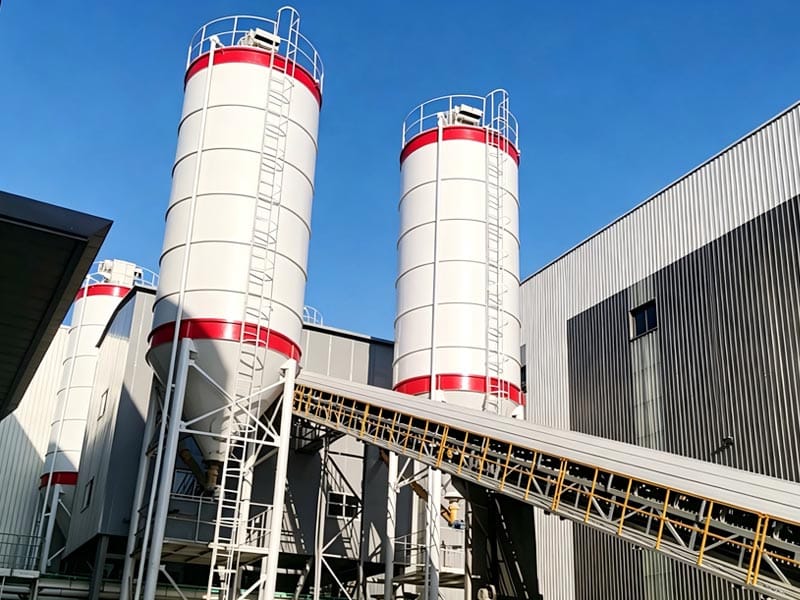
Batching plant lubrication should not be managed with one universal calendar. A concrete batching plant contains several mechanical systems with different speeds, loads, sealing conditions and exposure to dust, cement paste, moisture and vibration. Mixer shaft ends, bearings, gearboxes, conveyor drives, skip-hoist components and other moving parts may all need lubrication, but they do not […]