목차
A concrete batching system needs to measure the intended ingredients and deliver them through the correct route. Those are connected tasks, but a weighing result does not automatically confirm material arrival at the mixer. A hopper can record the intended quantity while discharge, retained material or routing creates a different production outcome. A useful acceptance review follows the complete sequence.
This guide separates static measurement, dynamic feeding and material transfer so a buyer can specify the evidence required at each stage. It does not establish a universal tolerance or replace equipment instructions. The applicable project specification and approved quality procedure should define acceptance criteria for the proposed ingredients and operating range.
Define concrete batching system measurement boundaries
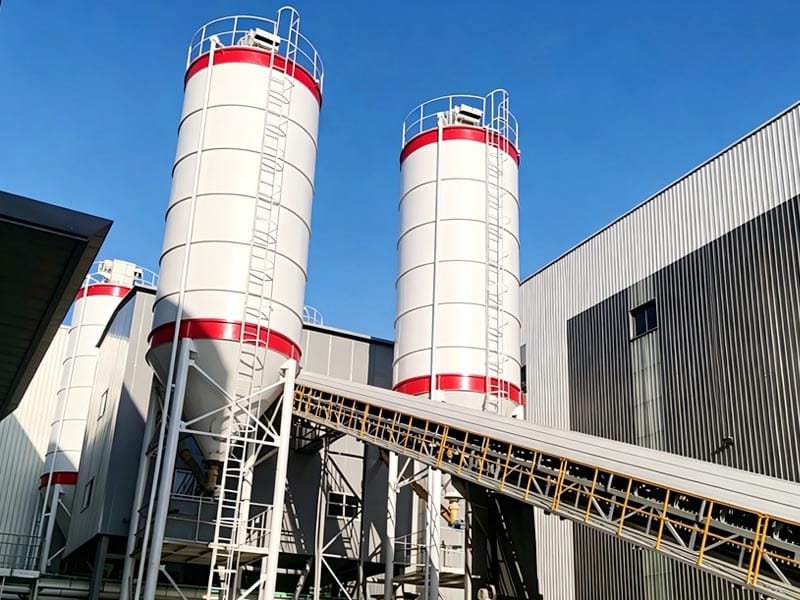
Map where each ingredient is measured and where it must go next. A concrete batching system can use different arrangements for aggregate, cementitious materials, water and admixtures. The supplier should identify the measuring device, receiving hopper, transfer path and mixer-entry point for each stream.
Record what the displayed value represents. It may be a scale reading, a calculated flow quantity or another measurement defined by the equipment. Include units and any correction basis. The quality team needs these definitions to compare commanded and recorded quantities consistently.
Distinguish a measured quantity from a controller command. A valve-open signal shows that the control system requested an action. It does not by itself establish that material moved successfully. The functional specification should explain which observations confirm the relevant stages of the sequence.
Verify the measuring device over its intended range
The measuring-system review should cover the quantities the plant will actually use. A concrete batching system designed for normal production may also need to make smaller batches or use low-dose ingredients. Confirm the applicable range with the supplier and retain traceable verification results.
Separate indicated resolution from accuracy and process capability. A display with many digits does not establish reliable measurement at every load. Ask for the test conditions and results relevant to the intended operation instead of accepting a general statement that the scale is precise.
Review the installed condition as well as the instrument. Mechanical interference, material buildup or an unsuitable connection can affect weighing behavior. The qualified commissioning team should evaluate the assembled system according to the approved procedure and identify any condition requiring correction.
Evaluate feeder stopping during real dosing
Static verification does not describe every part of dynamic feeding. Review how the feeder approaches its target, stops and accounts for material still in transit. A concrete batching system should be assessed using the relevant material and dosing range, with the supplier identifying the operating assumptions.
Record individual dosing events during a representative trial. An average can conceal alternating over- and under-delivery. Include the relevant feeder condition and actual quantity so the team can investigate variation instead of adjusting settings from a single favorable demonstration.
Keep the acceptance basis clear. A tolerance expressed as a percentage of a target dose means something different from one expressed against scale capacity. The contract and test records should identify the denominator and operating condition. Do not compare offers until they use compatible definitions.
Observe hopper discharge as a separate event
After weighing, the material must leave the receiving system as intended. A concrete batching system should have an agreed method for confirming the relevant discharge condition. The required evidence depends on the hopper, material and instrumentation used in the proposed configuration.
Review potential retention in hoppers, outlets, flexible connections and chutes. A controller record may not identify where material remained. During commissioning, the supplier and plant team should investigate the actual route using approved access and inspection procedures.
Consider the effect on the next batch. Retained material can change both the completed batch and the following one. The production record should preserve interrupted or unusual discharge conditions so the quality team can evaluate the affected material rather than treating every subsequent batch as an ordinary event.
Confirm the destination before upstream feeding
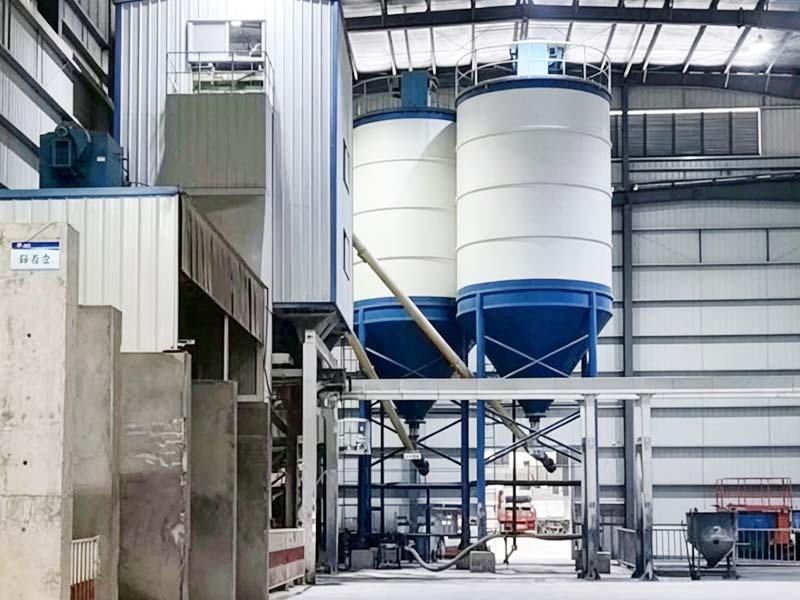
The downstream equipment must be ready to receive material. A concrete batching system should define the required permissives for mixer availability, hopper condition and the intended material route. The supplier should explain how the sequence responds when a receiving device is unavailable.
Map the important interlocks in a functional description. Identify the relevant signals, their owner and the required response to failure. A list of device names is insufficient if different contractors assume that the other party confirms destination readiness.
Include restart behavior. When a sequence stops after weighing or during transfer, the operator needs to know the material state and authorized next action. A quick restart should not erase the information needed to determine whether a batch can resume or requires another disposition.
Compare the evidence for the three stages
| Stage | Main question | Evidence that can support review |
|---|---|---|
| Static measurement | Does the device indicate correctly under the required verification procedure? | Traceable checks with load or quantity, reading and error |
| Dynamic dosing | Does the feeding process reach the intended target consistently? | Individual repeated dosing results and operating conditions |
| Discharge and transfer | Does the measured material follow the intended route? | Defined completion signals, route observations and exception records |
| Mixer receipt | Is the destination ready and the sequence completed as specified? | Functional test results and relevant process-state confirmation |
| Interrupted production | What material is committed to the unfinished batch? | Preserved batch state, intervention and disposition records |
| Finished production | Did the product meet the required acceptance checks? | Product-relevant sampling and quality results linked to production |
These forms of evidence complement each other. A concrete batching system cannot demonstrate complete process performance by showing only one scale certificate. Conversely, a good material trial does not remove the need for the required measuring-device verification. Keep the purpose and limits of each check visible.
Preserve the meaning of batch records
Record target values, measured actuals and relevant exceptions with a stable production identifier. The concrete batching system should make it possible to relate a test observation to the associated dosing and transfer sequence. A daily total cannot provide the same detail as an individual batch record.
Define how manual intervention appears in the record. An authorized recovery action should remain distinguishable from an ordinary automatic sequence. Keep the original event and its disposition traceable rather than replacing it with a normal completed status without explanation.
Check exported records as well as the live display. The quality team may investigate an event after it is no longer visible on the operating screen. Confirm that the exported fields retain the units, status and relationships needed for that later review.
Design a trial that can locate the cause
Agree test conditions for the intended ingredients, batch range and route. Change one relevant factor at a time where the investigation requires it, and record any condition that cannot be held constant. A concrete batching system trial should help distinguish instrument, feeding and transfer effects.
If a result is unusual, retain the complete observation. Compare scale behavior, feeding, discharge and downstream status before selecting a correction. Do not alter several settings at once and then claim that a particular component caused the original problem without supporting evidence.
Repeat the relevant condition after a correction. Record the setting, work performed and new results. An issue is easier to close when the evidence shows what changed and which operating range was subsequently demonstrated.
Put the complete material route in the supplier review
Provide the intended products, ingredient ranges, site arrangement and destination requirements when discussing Yunguan's 콘크리트 생산 솔루션. For a 프리캐스트 콘크리트 배치 플랜트, include the casting-line and distribution interfaces as well as the mixer.
For background on measuring-system verification, see the NRMCA plant-certification guidance. Apply the requirements relevant to the project's specification and proposed installation; the reference is not evidence that a particular equipment package is certified.
Send a process diagram and an example batch record through the form below. Ask for a review that distinguishes measurement, dosing and confirmed transfer so the proposed acceptance tests address the whole system.
자주 묻는 질문
Does a concrete batching system weighing record prove delivery to the mixer?
No. A concrete batching system must also complete the intended discharge and transfer sequence. The required confirmation depends on the equipment and functional specification.
Why are static checks and dynamic dosing trials different?
Static checks evaluate the measuring device under a defined procedure. Dynamic trials also include material feeding and stopping behavior under representative operating conditions.
Should low-dose ingredients be included in verification?
Review the complete intended operating range. A satisfactory result at a large quantity does not establish performance at the smallest required dose.
What should happen after an interrupted transfer?
The system should preserve the batch state and support the approved recovery or disposition procedure. Operators need to know which material is already committed to the unfinished sequence.
What should a useful acceptance report contain?
Include the test conditions, individual measurements, relevant transfer observations, exceptions and corrective actions. Keep the evidence linked to identifiable production events.