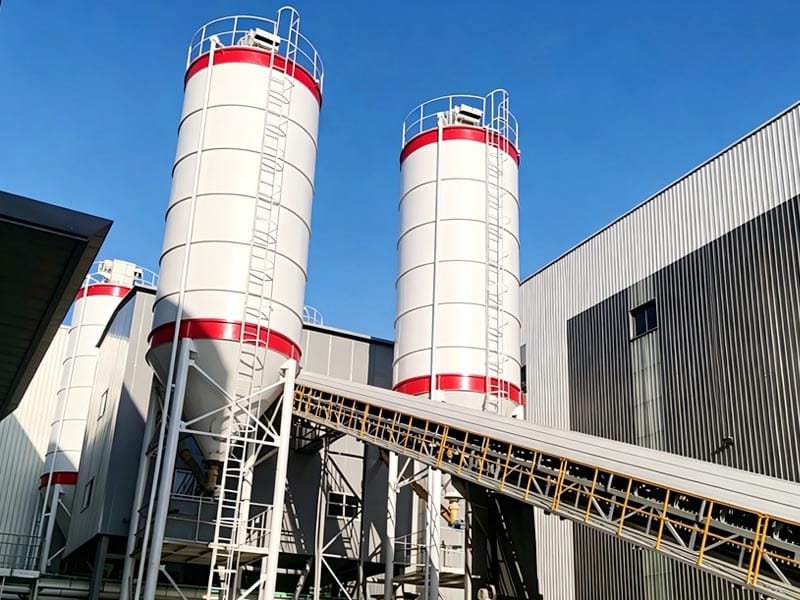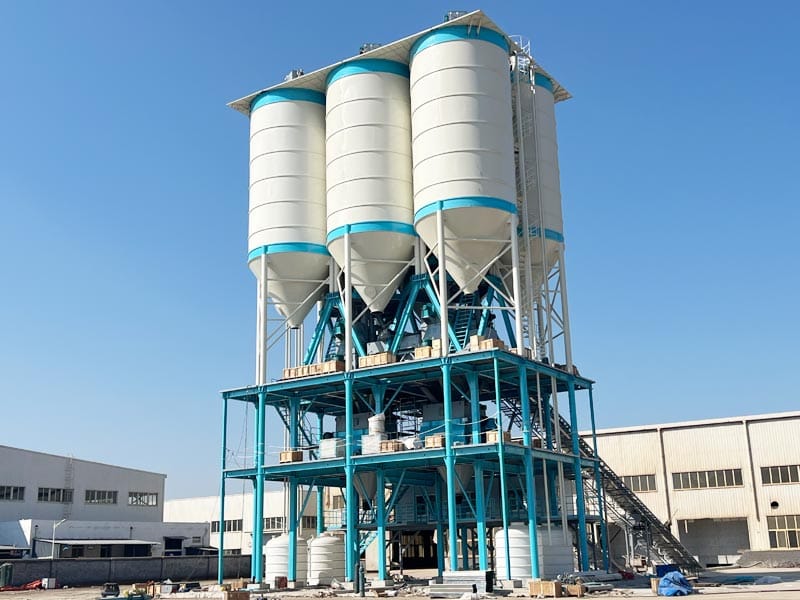
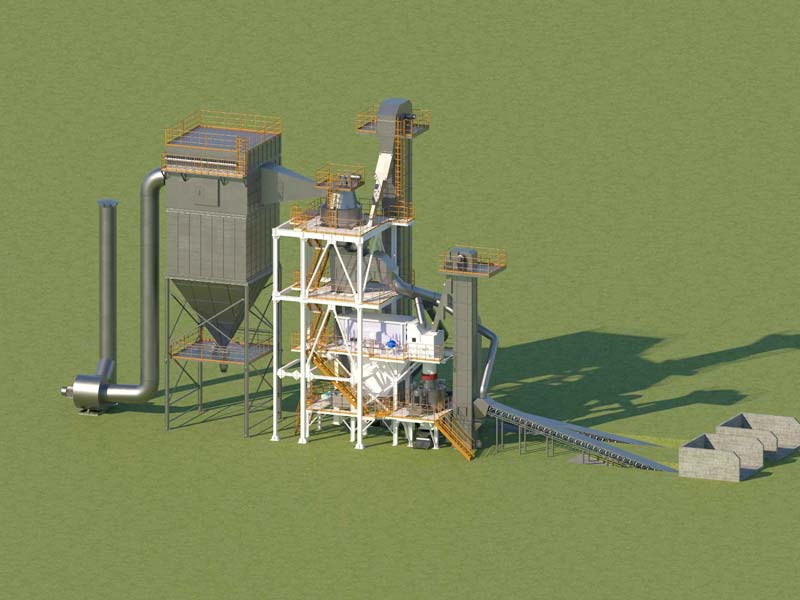
Sand quality specifications should begin with the intended concrete or mortar application, not with one universal set of numbers. Manufactured sand for ready-mix concrete, masonry mortar, tile adhesive, self-leveling mortar and repair mortar can all require different grading, fines content, particle shape and clay-control targets.
For equipment buyers, this distinction is important because the finished-sand specification determines how the production line should crush, screen, classify, store and blend material. If the target specification is unclear, the plant can produce a stable 0–3 mm sand and still fail to provide the particle distribution or fines condition needed by the downstream product.
ของเรา สายการผลิตทรายที่ผลิต uses prepared 5–15 mm stone, VSI sand making, circular screening, airflow powder classification and closed-loop return. This guide explains how to write practical sand quality specifications before selecting or adjusting that process.
Why Sand Quality Specifications Must Start with the Application
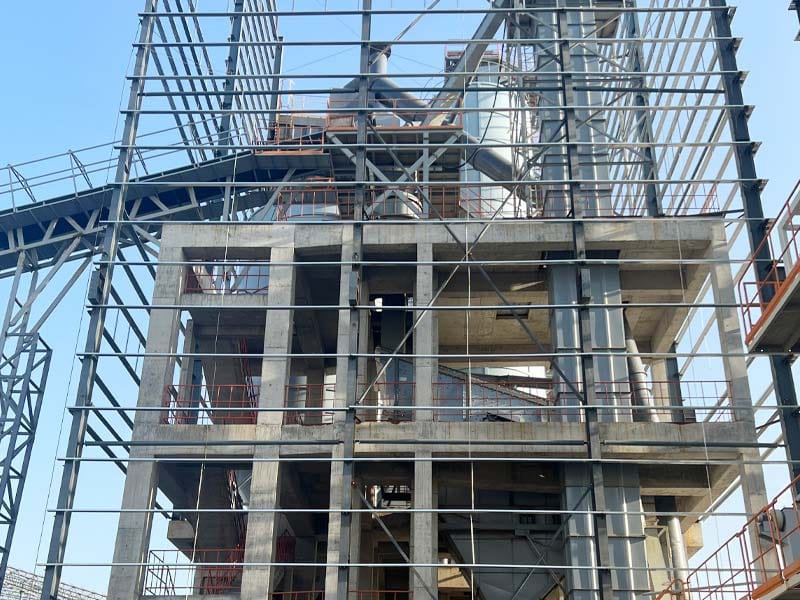
There is no single “best manufactured sand” for every cementitious product.
Concrete and dry mortar use sand in different ways. Even within dry mortar, masonry mortar and tile adhesive can require very different particle distributions.
Sand quality specifications should therefore answer:
- What product will use the sand?
- What particle-size range is required?
- What grading curve is acceptable?
- How much very fine powder can remain?
- What clay-related quality checks are required?
- What physical or durability tests apply?
The equipment configuration should follow those answers.
Concrete Sand and Masonry Mortar Sand Do Not Use the Same Standard
For concrete, ASTM C33/C33M defines grading and quality requirements for fine and coarse aggregate and recognizes natural sand, manufactured sand or combinations as fine aggregate.
For masonry mortar, ASTM C144-26 specifically covers aggregate for masonry mortar and also recognizes both natural and manufactured sand, with grading and deleterious-material requirements appropriate to that application.
These are different standards because the application is different.
That is the basic principle behind sand quality specifications: do not copy one standard’s limits into an unrelated product without confirming applicability.
Start with the Full Grading Curve
A nominal label such as 0–3 mm is not enough to define sand quality.
Two sands can both fit within 0–3 mm while having very different proportions of:
- 2–3 mm particles;
- 1–2 mm particles;
- 0.5–1 mm particles;
- fine sand;
- very fine powder.
Sand quality specifications should include a sieve distribution or grading envelope rather than only a maximum particle size.
ของเรา คู่มือเส้นโค้งการให้เกรดทราย explains how to read cumulative passing data and use it for plant selection.
Use a Grading Envelope Instead of One Perfect Curve
Production sand will not follow one exact laboratory curve every hour.
A practical specification normally defines an acceptable band.
| Specification element | ทําไมมันถึงสําคัญ |
|---|---|
| Maximum particle size | Controls oversize |
| Intermediate sieve limits | Controls distribution through the usable sand range |
| Fine-end requirement | Controls fine sand and powder balance |
| Permitted variation | Defines production stability |
Sand quality specifications should allow realistic production variation while still protecting downstream performance.
Fineness Modulus Is Useful but Cannot Replace the Curve
Fineness modulus provides one index describing the overall coarseness of aggregate.
It can be useful for production trending, but two sands with a similar fineness modulus can still distribute particles differently across individual sieves.
Sand quality specifications should therefore use fineness modulus as a supporting control value, not as the complete definition of product grading.
The current MixingPlantPro product page publishes an adjustable fineness modulus range for its manufactured sand line, but the actual project target should be selected from the application requirement rather than treated as universally suitable.
Define Very Fine Powder Separately
The finest material should be controlled separately from the main sand grading.
Very fine powder can affect:
- ความต้องการน้ํา;
- packing;
- ความสามารถในการใช้งานได้;
- admixture response;
- dry mortar flowability;
- การสร้างฝุ่น.
Sand quality specifications should therefore state how the fine-powder fraction is measured and what test method is used.
Do Not Assume the Lowest Powder Content Is Best
Fine rock powder is not automatically a contaminant.
Depending on the product, a controlled amount of clean mineral fines can contribute to particle packing.
Removing too much can make the sand coarser and force the downstream formulation to compensate with additional filler or binder.
Sand quality specifications should define an acceptable powder range based on the actual product rather than simply calling for maximum removal.
Air Classification Should Follow the Powder Target
MixingPlantPro’s manufactured sand process uses airflow powder classification after mechanical screening.
This allows the fine-powder content to be adjusted.
For sand quality specifications, the process should therefore define:
- target fines range;
- test method;
- normal classifier setting;
- acceptable operating variation.
ของเรา คู่มือการจําแนกประเภททรายแห้ง explains why screening and airflow classification perform different quality-control functions.
Stone Powder and Clay Need Different Quality Checks
Clean crushed-rock powder and clay minerals can occupy similar particle-size ranges.
A simple fines percentage does not identify the mineral quality of the fine fraction.
Sand quality specifications may therefore include tests related to:
- การปนเปื้อนของดินเหนียว;
- plastic fines;
- methylene blue adsorption;
- sand equivalent;
- mineralogical analysis where required.
ของเรา clay contamination guide explains why the quantity and quality of fines should be evaluated separately.
Methylene Blue Values Need a Defined Test Method
ASTM C1777 measures methylene blue adsorption by fine aggregate or mineral filler and states that the result is related to the amount and characteristics of clay minerals in the specimen.
The same standard also states that it does not provide universal maximum values for every application.
That means sand quality specifications should identify:
- which MB test method is used;
- which particle fraction is tested;
- what project limit applies;
- how that limit was established.
Do not compare an ASTM C1777 value directly with a value from a different MB test method unless a valid correlation has been established.
Do Not Treat the Published Plant MB Value as a Universal Sand Standard
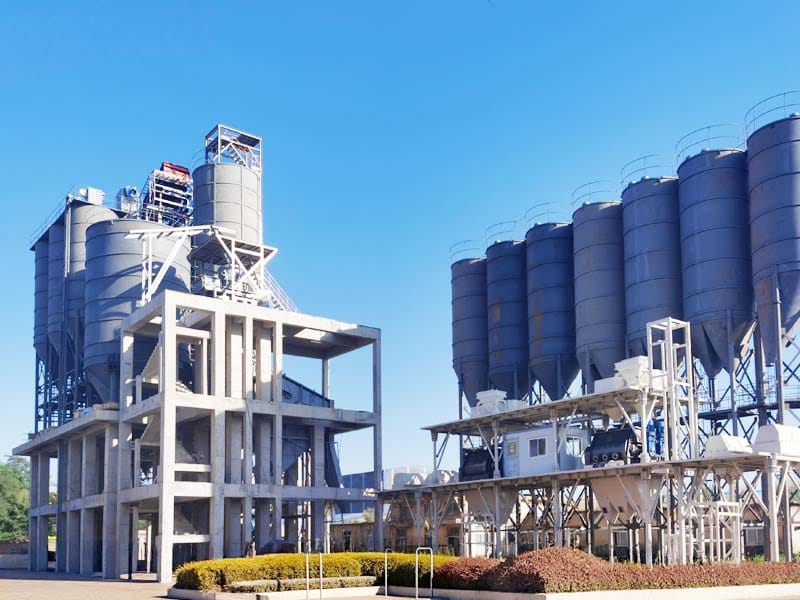
The current MixingPlantPro manufactured sand page publishes a methylene blue value within its technical data.
That figure belongs to the stated product and test context.
It should not automatically become the acceptance criterion for every:
- concrete project;
- ปูนก่ออิฐ;
- กาวกระเบื้อง;
- ซ่อมปูน;
- regional aggregate standard.
Sand quality specifications should always follow the applicable downstream standard or validated product performance.
Particle Shape Can Matter in Manufactured Sand
Manufactured sand particles are created by crushing rather than natural weathering.
Particle shape can influence:
- packing;
- ความต้องการน้ํา;
- ความสามารถในการใช้งานได้;
- mortar spread;
- concrete finishing.
The VSI stage in MixingPlantPro’s line performs both sand making and shaping.
Sand quality specifications can include particle-shape requirements where the downstream standard or project requires them.
Do Not Confuse Shape with Grading
A sand can have good grading but poor particle shape.
Another can have good cubicity but an unsuitable grading curve.
These are different properties.
Sand quality specifications should treat grading, shape and fines as separate dimensions rather than combining them into one general “quality” score.
Crushing Value and Durability Requirements Depend on Use
Aggregate strength and durability can matter where the sand is used in structural concrete or exposed applications.
ASTM C33/C33M includes quality requirements and test methods for concrete aggregates beyond grading alone.
For sand quality specifications, determine whether the project also needs checks for:
- soundness;
- deleterious materials;
- reactivity;
- aggregate strength-related properties;
- organic impurities.
The required tests depend on the intended application and governing specification.
Raw Material Source Should Be Part of the Specification
Manufactured sand quality begins before the VSI.
Different source rocks can produce different:
- รูปร่างอนุภาค;
- wear behavior;
- powder characteristics;
- clay contamination risk;
- durability.
Sand quality specifications should therefore identify the approved parent-rock source or define how a source change will be evaluated.
ของเรา คู่มือวัตถุดิบทรายที่ผลิต explains why source-rock testing belongs upstream of equipment tuning.
Feed Grading Should Be Controlled Even Though It Is Not the Finished Product
The VSI and screen can only process the material they receive.
A major change in feed size can alter:
- crusher load;
- การให้เกรดเสร็จแล้ว;
- return load;
- powder generation;
- wear.
MixingPlantPro’s current process begins with prepared 5–15 mm stone.
For sand quality specifications, the finished-sand requirement should be supported by an upstream feed-control range.
Screening Requirements Should Come from the Grading Specification
The circular vibrating screen defines physical size fractions and separates oversize from accepted material.
Sand quality specifications should therefore be translated into practical screen cuts.
ตรวจสอบ:
- required finished fractions;
- screen apertures;
- screen efficiency;
- near-size particles;
- return-load rate.
ของเรา คู่มือการคัดกรองทรายที่ผลิต explains how product demand should determine screen configuration.
Closed-Loop Return Protects Maximum Size but Changes Internal Load
Unqualified material in the MixingPlantPro process returns to the VSI instead of entering finished storage.
This helps protect the finished size range.
However, sand quality specifications should not be considered separately from process capacity because a tighter grading target can change recirculating load.
ของเรา sand production recirculation guide explains why return load is an internal process stream rather than additional finished output.
Concrete Applications Need Concrete-Specific Validation
ASTM C33/C33M covers fine aggregate for concrete and recognizes manufactured sand as one possible source.
For concrete-oriented sand quality specifications, review:
- การให้เกรด;
- fines;
- deleterious materials;
- source quality;
- reactivity where relevant;
- concrete trial performance.
A sand that meets a general grading range should still be validated in the actual concrete mixture.
Masonry Mortar Has Its Own Aggregate Requirements
ASTM C144-26 covers aggregate specifically for masonry mortar.
Its current scope recognizes manufactured sand as aggregate produced by crushing stone, gravel or other permitted source materials and specially processed to achieve suitable gradation.
For masonry mortar, sand quality specifications should follow the applicable mortar aggregate standard rather than a concrete-only specification.
Tile Adhesive May Need a Much Finer Controlled Fraction
Tile adhesive is a dry mortar product with a different aggregate role from ready-mix concrete.
Depending on the formulation, it may need:
- fine controlled sand;
- tight maximum size;
- stable powder balance;
- consistent moisture condition.
Sand quality specifications for tile adhesive should therefore be established from the approved adhesive formula and finished-product tests.
Self-Leveling Mortar Needs Stable Fine-Particle Balance
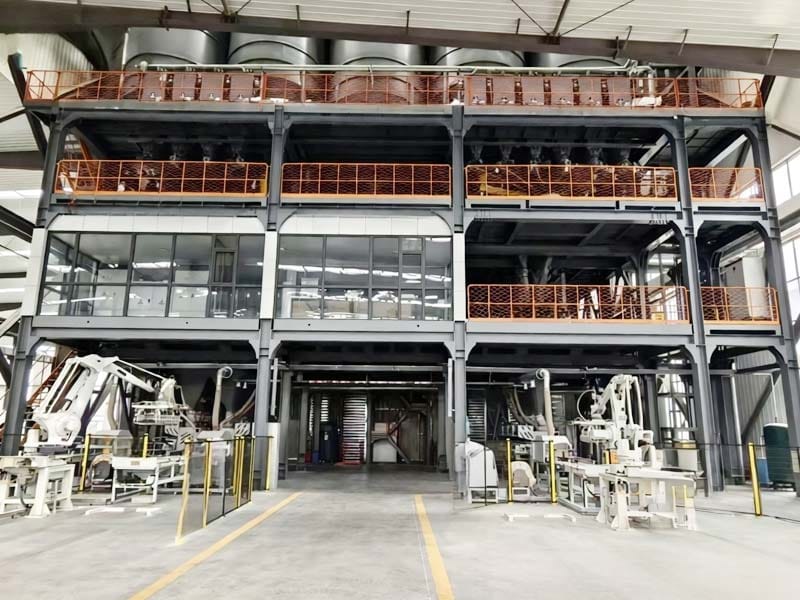
Self-leveling mortar can be sensitive to the relationship between fine aggregate, mineral powder, binder and chemical additives.
Variation in sand grading can change:
- flow;
- ความต้องการน้ํา;
- segregation tendency;
- surface quality.
Sand quality specifications for self-leveling products should therefore emphasize consistency as well as absolute limits.
Repair Mortar Specifications Should Reflect Placement Thickness
A thin repair mortar and a deeper repair mortar may use different maximum aggregate sizes and grading strategies.
Sand quality specifications should therefore define the intended repair thickness and product category before the sand is selected.
ของเรา repair mortar production guide explains how application thickness affects aggregate selection.
Moisture Is a Quality Specification and a Process Variable
For dry mortar production, sand needs to remain sufficiently dry for storage and accurate dry batching.
For concrete, moisture is expected but must be measured so wet aggregate and batch water can be corrected.
That means sand quality specifications should distinguish:
- dry mortar storage moisture;
- concrete aggregate moisture;
- test method;
- sampling frequency.
The same moisture target should not be copied across both applications.
Consistency Over Time Can Matter More Than One Perfect Sample
A single excellent laboratory sample does not prove stable production.
Track sand quality specifications across:
- different shifts;
- different source-rock lots;
- different seasons;
- screen maintenance;
- VSI wear cycles;
- classifier adjustments.
Stable sand makes downstream batching and formulation control easier.
Use Control Charts or Trend Bands for Key Properties
For routine production, trend values such as:
- fineness modulus;
- selected sieve passing;
- ปริมาณผง;
- MB value where used;
- ความชื้น;
- particle-shape indicator.
Sand quality specifications should identify which properties trigger investigation before the final product falls outside acceptance limits.
Sampling Method Can Change the Result
A test result is only as representative as the sample.
Samples taken from one side of a segregated stockpile can produce misleading grading data.
For sand quality specifications, define where samples are taken:
- screen discharge;
- finished conveyor;
- storage bin;
- stockpile;
- truck loading point.
Use a consistent sampling procedure for trend data.
Storage Must Preserve the Approved Sand Quality
Finished sand can change after production if it:
- segregates in a tall bin;
- absorbs moisture;
- mixes with another fraction;
- becomes contaminated by soil;
- receives uncontrolled stockpile runoff.
ของเรา dry mortar sand storage guide explains how storage can affect grading, usable capacity and material flow.
Integrated Plants Need Specifications by Fraction
ของเรา โรงงานผลิตทรายและปูนพิเศษแบบครบวงจร connects sand making with mortar production.
For this type of system, one overall finished-sand specification may not be enough.
Define sand quality specifications for each fraction used by downstream recipes.
| Fraction | Possible control items | Downstream use |
|---|---|---|
| Fine sand | Fine-end grading, powder, clay activity | Specialty mortar |
| Medium sand | Grading and moisture | Broad mortar use |
| Coarser sand | Maximum size and grading | Masonry or repair products |
| ผงแยก | Mineralogy and approved reuse criteria | Only if formulation permits |
Do Not Write a Specification the Plant Cannot Measure
Every routine requirement should have a practical test method.
If sand quality specifications include a value that cannot be measured consistently at the plant or laboratory, production control becomes subjective.
For each property, define:
- test method;
- sample location;
- test frequency;
- acceptance range;
- action when outside range.
Commission the Line Against the Written Specification
Commissioning should prove that the sand-making line can produce the intended sand under representative feed conditions.
บันทึก:
- feed source;
- การให้เกรดฟีด;
- VSI operating condition;
- screen fractions;
- การตั้งค่าลักษณนาม;
- การให้เกรดเสร็จแล้ว;
- ปริมาณผง;
- clay-related test where required;
- finished product yield.
Sand quality specifications should be part of the acceptance test, not added after the plant has already been commissioned.
What Should Buyers Send for a Sand Specification Review?
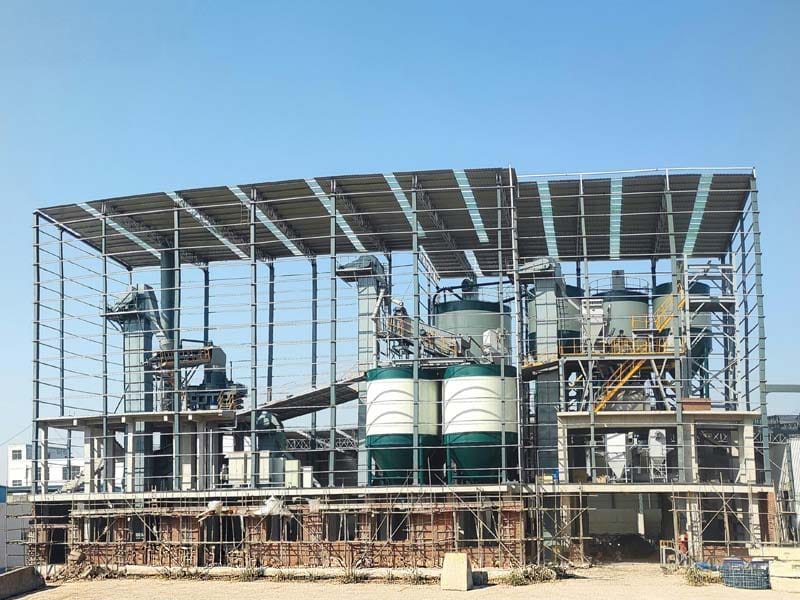
A useful project review needs the application and target quality data.
ให้:
- intended concrete or mortar product;
- applicable standard;
- target grading curve;
- ขนาดอนุภาคสูงสุด;
- fines requirement;
- MB or clay-related test method if required;
- moisture requirement;
- หินพ่อแม่;
- required sand fractions;
- required output of each fraction.
ของเรา โซลูชั่นทรายที่ผลิต can then be reviewed against the real sand quality specifications instead of a generic “high-quality sand” target.
Send your sand specification and mortar or concrete application through our หน้าติดต่อ for a process review.
บทสรุป
Sand quality specifications should define the sand that the downstream product actually needs. Concrete, masonry mortar and specialty dry mortars do not automatically use the same grading, fines, clay-control or moisture requirements.
The strongest specification separates grading, fineness modulus, powder content, clay-related quality, particle shape, source quality and moisture into measurable properties with clear test methods.
Once the application is defined, the manufactured sand line can be configured around the correct VSI, screening, classification, return and storage strategy. Without that application-first approach, equipment settings can become targets without a clear product reason.
คําถามที่พบบ่อย
What should sand quality specifications include?
They can include grading, maximum size, fines content, clay-related tests, particle shape, source quality, moisture and application-specific durability requirements.
Can the same manufactured sand specification be used for concrete and dry mortar?
Not automatically. Concrete, masonry mortar, tile adhesive, self-leveling mortar and repair mortar can require different aggregate properties and standards.
Is fineness modulus enough to define manufactured sand quality?
No. Fineness modulus is useful for trending overall coarseness, but the full grading curve is still needed to understand how particles are distributed.
Is a lower methylene blue value always required?
Lower clay activity can be beneficial, but there is no universal ASTM C1777 maximum for every application. The applicable project requirement and actual product performance should define acceptance.
What information should I provide before configuring a manufactured sand line?
Provide the intended application, grading curve, fines requirement, clay-related test method, moisture target, source rock and required output by sand fraction.