Špecifikácie kvality piesku by mali začínať zamýšľanou aplikáciou betónu alebo malty, nie jednou univerzálnou sadou čísel. Vyrobený piesok na hotový betón, murovaciu maltu, lepidlo na dlaždice, samonivelačnú maltu a opravnú maltu môže vyžadovať rôzne triedenie, obsah jemných častíc, tvar častíc a ciele na kontrolu hliny.
Pre kupujúcich zariadení je toto rozlíšenie dôležité, pretože špecifikácia hotového piesku určuje, ako by mala výrobná linka drviť, preosievať, klasifikovať, skladovať a miešať materiál. Ak nie je cieľová špecifikácia jasná, závod môže produkovať stabilný piesok s veľkosťou 0,3 mm a stále nedokáže zabezpečiť distribúciu častíc alebo stav jemných častíc, ktorý potrebuje následný produkt.
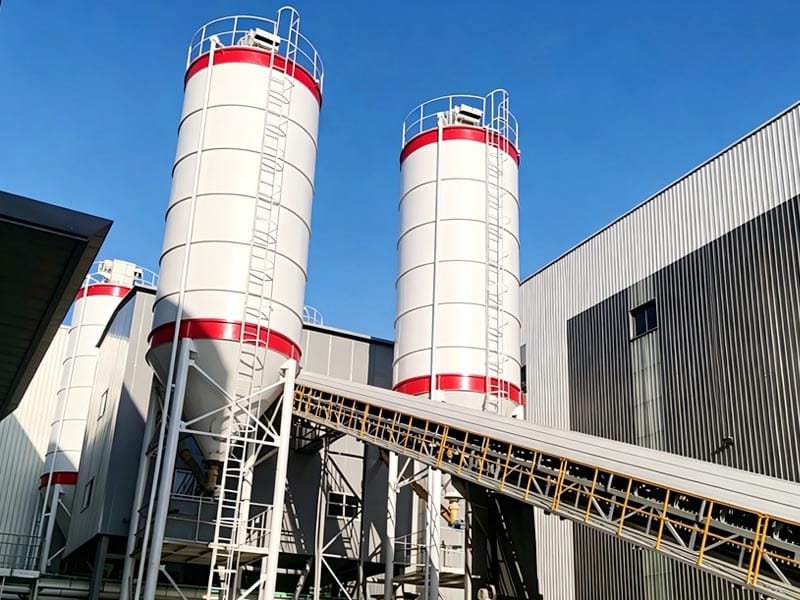
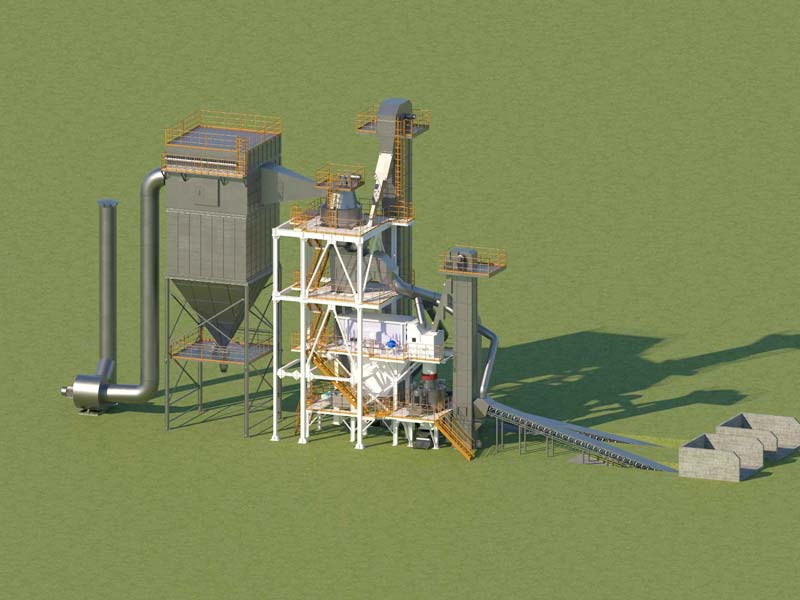
Náš výrobná linka na výrobu vyrobeného piesku používa pripravený kameň 5 15 mm, výrobu piesku VSI, kruhové tienenie, klasifikáciu prášku prúdenia vzduchu a návrat v uzavretej slučke. Táto príručka vysvetľuje, ako napísať praktické špecifikácie kvality piesku pred výberom alebo úpravou tohto procesu.
Prečo musia špecifikácie kvality piesku začať aplikáciou
Neexistuje jediný “najlepšie vyrobený sand” pre každý cementový produkt.
Betón a suchá malta používajú piesok rôznymi spôsobmi, Dokonca aj v suchej malte môže murovaná malta a lepidlo na dlaždice vyžadovať veľmi odlišné rozloženie častíc.
Špecifikácie kvality piesku by preto mali odpovedať:
- Aký produkt bude používať piesok?
- Aký rozsah veľkosti častíc je potrebný?
- Aká klasifikačná krivka je prijateľná?
- Koľko veľmi jemného prášku môže zostať?
- Aké kontroly kvality súvisiace s hlinou sa vyžadujú?
- Aké fyzikálne testy alebo testy odolnosti platia?
Konfigurácia zariadenia by mala nasledovať tieto odpovede.
Betónový piesok a murovaný maltový piesok nepoužívajte rovnaký štandard
Pre betón definuje ASTM C33/C33M požiadavky na triedenie a kvalitu pre jemné a hrubé kamenivo a uznáva prírodný piesok, vyrobený piesok alebo kombinácie ako jemné kamenivo.
Pre murovanú maltu ASTM C144-26 špecificky pokrýva kamenivo pre murovanú maltu a tiež rozpoznáva prírodný aj vyrobený piesok s požiadavkami na triedenie a škodlivý materiál, ktoré sú vhodné pre túto aplikáciu.
Ide o rôzne štandardy, pretože aplikácia je odlišná.
To je základný princíp špecifikácií kvality piesku: nekopírujte limity jednej normy do nesúvisiaceho produktu bez potvrdenia použiteľnosti.
Začnite s krivkou úplného hodnotenia
Menovitý štítok ako 0,3 mm nestačí na definovanie kvality piesku.
Dva piesky sa zmestia do 0 až 3 mm, pričom majú veľmi odlišné pomery:
- 2,3 mm častice;
- 1,2 mm častice;
- častice 0,5 x 1 mm;
- jemný piesok;
- veľmi jemný prášok.
Špecifikácie kvality piesku by mali zahŕňať skôr distribučný alebo triediaci obal sita než len maximálnu veľkosť častíc.
Náš sprievodca krivkou triedenia piesku vysvetľuje, ako čítať kumulatívne odovzdávajúce údaje a použiť ich na výber rastlín.
Namiesto jednej dokonalej krivky použite obálku hodnotenia
Výrobný piesok nebude každú hodinu sledovať jednu presnú laboratórnu krivku.
Praktická špecifikácia zvyčajne definuje prijateľné pásmo.
| Špecifikačný prvok | Prečo na tom záleží |
|---|---|
| Maximálna veľkosť častíc | Ovláda oversize |
| Medzné limity sita | Riadi distribúciu cez využiteľný rozsah piesku |
| Požiadavka jemného konca | Ovláda jemný piesok a rovnováhu prášku |
| Povolená variácia | Definuje stabilitu výroby |
Špecifikácie kvality piesku by mali umožniť realistické zmeny výroby a zároveň chrániť výkon po prúde.
Modul jemnosti je užitočný, ale nemôže nahradiť krivku
Modul jemnosti poskytuje jeden index popisujúci celkovú hrubosť kameniva.
Môže byť užitočný pre výrobné trendy, ale dva piesky s podobným modulom jemnosti môžu stále distribuovať častice odlišne cez jednotlivé sitá.
Špecifikácie kvality piesku by preto mali používať modul jemnosti ako podpornú kontrolnú hodnotu, nie ako úplnú definíciu klasifikácie výrobkov.
Aktuálna stránka produktu MixingPlantPro zverejňuje nastaviteľný rozsah modulu jemnosti pre vyrobenú pieskovú linku, ale skutočný cieľ projektu by sa mal vybrať z požiadaviek aplikácie a nemal by sa považovať za univerzálne vhodný.
Definujte veľmi jemný prášok samostatne
Najjemnejší materiál by sa mal kontrolovať oddelene od hlavného triedenia piesku.
Veľmi jemný prášok môže ovplyvniť:
- dopyt po vode;
- balenie;
- spracovateľnosť;
- reakcia na prímes;
- dry mortar flowability;
- tvorba prachu.
Sand quality specifications should therefore state how the fine-powder fraction is measured and what test method is used.
Do Not Assume the Lowest Powder Content Is Best
Fine rock powder is not automatically a contaminant.
Depending on the product, a controlled amount of clean mineral fines can contribute to particle packing.
Removing too much can make the sand coarser and force the downstream formulation to compensate with additional filler or binder.
Sand quality specifications should define an acceptable powder range based on the actual product rather than simply calling for maximum removal.
Air Classification Should Follow the Powder Target
MixingPlantPro’s manufactured sand process uses airflow powder classification after mechanical screening.
This allows the fine-powder content to be adjusted.
For sand quality specifications, the process should therefore define:
- target fines range;
- test method;
- normal classifier setting;
- acceptable operating variation.
Náš sprievodca klasifikáciou suchého piesku explains why screening and airflow classification perform different quality-control functions.
Stone Powder and Clay Need Different Quality Checks
Clean crushed-rock powder and clay minerals can occupy similar particle-size ranges.
A simple fines percentage does not identify the mineral quality of the fine fraction.
Sand quality specifications may therefore include tests related to:
- kontaminácia ílom;
- plastic fines;
- methylene blue adsorption;
- sand equivalent;
- mineralogical analysis where required.
Náš clay contamination guide explains why the quantity and quality of fines should be evaluated separately.
Methylene Blue Values Need a Defined Test Method
ASTM C1777 measures methylene blue adsorption by fine aggregate or mineral filler and states that the result is related to the amount and characteristics of clay minerals in the specimen.
The same standard also states that it does not provide universal maximum values for every application.
That means sand quality specifications should identify:
- which MB test method is used;
- which particle fraction is tested;
- what project limit applies;
- how that limit was established.
Do not compare an ASTM C1777 value directly with a value from a different MB test method unless a valid correlation has been established.
Do Not Treat the Published Plant MB Value as a Universal Sand Standard
The current MixingPlantPro manufactured sand page publishes a methylene blue value within its technical data.
That figure belongs to the stated product and test context.
It should not automatically become the acceptance criterion for every:
- concrete project;
- masonry mortar;
- tile adhesive;
- repair mortar;
- regional aggregate standard.
Sand quality specifications should always follow the applicable downstream standard or validated product performance.
Particle Shape Can Matter in Manufactured Sand
Manufactured sand particles are created by crushing rather than natural weathering.
Particle shape can influence:
- balenie;
- dopyt po vode;
- spracovateľnosť;
- mortar spread;
- concrete finishing.
The VSI stage in MixingPlantPro’s line performs both sand making and shaping.
Sand quality specifications can include particle-shape requirements where the downstream standard or project requires them.
Do Not Confuse Shape with Grading
A sand can have good grading but poor particle shape.
Another can have good cubicity but an unsuitable grading curve.
These are different properties.
Sand quality specifications should treat grading, shape and fines as separate dimensions rather than combining them into one general “quality” score.
Crushing Value and Durability Requirements Depend on Use
Aggregate strength and durability can matter where the sand is used in structural concrete or exposed applications.
ASTM C33/C33M includes quality requirements and test methods for concrete aggregates beyond grading alone.
For sand quality specifications, determine whether the project also needs checks for:
- soundness;
- deleterious materials;
- reactivity;
- aggregate strength-related properties;
- organic impurities.
The required tests depend on the intended application and governing specification.
Raw Material Source Should Be Part of the Specification
Manufactured sand quality begins before the VSI.
Different source rocks can produce different:
- tvar častíc;
- wear behavior;
- powder characteristics;
- clay contamination risk;
- durability.
Sand quality specifications should therefore identify the approved parent-rock source or define how a source change will be evaluated.
Náš sprievodca vyrobenými pieskovými surovinami explains why source-rock testing belongs upstream of equipment tuning.
Feed Grading Should Be Controlled Even Though It Is Not the Finished Product
The VSI and screen can only process the material they receive.
A major change in feed size can alter:
- crusher load;
- ukončené hodnotenie;
- spätné zaťaženie;
- powder generation;
- wear.
MixingPlantPro’s current process begins with prepared 5–15 mm stone.
For sand quality specifications, the finished-sand requirement should be supported by an upstream feed-control range.
Screening Requirements Should Come from the Grading Specification
The circular vibrating screen defines physical size fractions and separates oversize from accepted material.
Sand quality specifications should therefore be translated into practical screen cuts.
Skontrolovať:
- required finished fractions;
- screen apertures;
- screen efficiency;
- near-size particles;
- return-load rate.
Náš manufactured sand screening guide explains how product demand should determine screen configuration.
Closed-Loop Return Protects Maximum Size but Changes Internal Load
Unqualified material in the MixingPlantPro process returns to the VSI instead of entering finished storage.
This helps protect the finished size range.
However, sand quality specifications should not be considered separately from process capacity because a tighter grading target can change recirculating load.
Náš sand production recirculation guide explains why return load is an internal process stream rather than additional finished output.
Concrete Applications Need Concrete-Specific Validation
ASTM C33/C33M covers fine aggregate for concrete and recognizes manufactured sand as one possible source.
For concrete-oriented sand quality specifications, review:
- klasifikácia;
- fines;
- deleterious materials;
- source quality;
- reactivity where relevant;
- concrete trial performance.
A sand that meets a general grading range should still be validated in the actual concrete mixture.
Masonry Mortar Has Its Own Aggregate Requirements
ASTM C144-26 covers aggregate specifically for masonry mortar.
Its current scope recognizes manufactured sand as aggregate produced by crushing stone, gravel or other permitted source materials and specially processed to achieve suitable gradation.
For masonry mortar, sand quality specifications should follow the applicable mortar aggregate standard rather than a concrete-only specification.
Tile Adhesive May Need a Much Finer Controlled Fraction
Tile adhesive is a dry mortar product with a different aggregate role from ready-mix concrete.
Depending on the formulation, it may need:
- fine controlled sand;
- tight maximum size;
- stable powder balance;
- consistent moisture condition.
Sand quality specifications for tile adhesive should therefore be established from the approved adhesive formula and finished-product tests.
Self-Leveling Mortar Needs Stable Fine-Particle Balance
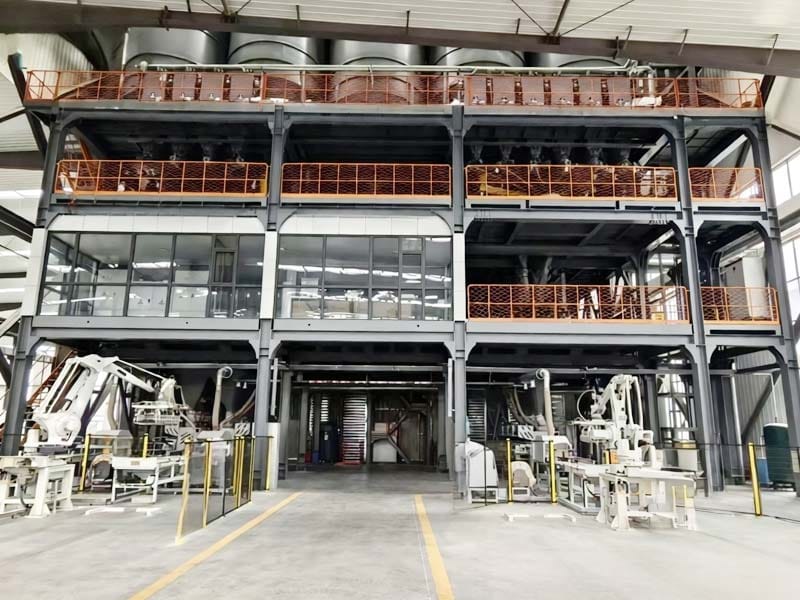
Self-leveling mortar can be sensitive to the relationship between fine aggregate, mineral powder, binder and chemical additives.
Variation in sand grading can change:
- flow;
- dopyt po vode;
- segregation tendency;
- surface quality.
Sand quality specifications for self-leveling products should therefore emphasize consistency as well as absolute limits.
Repair Mortar Specifications Should Reflect Placement Thickness
A thin repair mortar and a deeper repair mortar may use different maximum aggregate sizes and grading strategies.
Sand quality specifications should therefore define the intended repair thickness and product category before the sand is selected.
Náš repair mortar production guide explains how application thickness affects aggregate selection.
Moisture Is a Quality Specification and a Process Variable
For dry mortar production, sand needs to remain sufficiently dry for storage and accurate dry batching.
For concrete, moisture is expected but must be measured so wet aggregate and batch water can be corrected.
That means sand quality specifications should distinguish:
- dry mortar storage moisture;
- concrete aggregate moisture;
- test method;
- sampling frequency.
The same moisture target should not be copied across both applications.
Consistency Over Time Can Matter More Than One Perfect Sample
A single excellent laboratory sample does not prove stable production.
Track sand quality specifications across:
- rôzne posuny;
- different source-rock lots;
- different seasons;
- screen maintenance;
- VSI wear cycles;
- classifier adjustments.
Stable sand makes downstream batching and formulation control easier.
Use Control Charts or Trend Bands for Key Properties
For routine production, trend values such as:
- fineness modulus;
- selected sieve passing;
- obsah prášku;
- MB value where used;
- vlhkosť;
- particle-shape indicator.
Sand quality specifications should identify which properties trigger investigation before the final product falls outside acceptance limits.
Sampling Method Can Change the Result
A test result is only as representative as the sample.
Samples taken from one side of a segregated stockpile can produce misleading grading data.
For sand quality specifications, define where samples are taken:
- vybitie obrazovky;
- finished conveyor;
- storage bin;
- stockpile;
- truck loading point.
Use a consistent sampling procedure for trend data.
Storage Must Preserve the Approved Sand Quality
Finished sand can change after production if it:
- segregates in a tall bin;
- absorbs moisture;
- mixes with another fraction;
- becomes contaminated by soil;
- receives uncontrolled stockpile runoff.
Náš dry mortar sand storage guide explains how storage can affect grading, usable capacity and material flow.
Integrated Plants Need Specifications by Fraction
Náš integrovaná továreň na výrobu piesku a špeciálnej malty connects sand making with mortar production.
For this type of system, one overall finished-sand specification may not be enough.
Define sand quality specifications for each fraction used by downstream recipes.
| Frakcia | Possible control items | Downstream use |
|---|---|---|
| Fine sand | Fine-end grading, powder, clay activity | Specialty mortar |
| Medium sand | Grading and moisture | Broad mortar use |
| Coarser sand | Maximum size and grading | Masonry or repair products |
| Oddelený prášok | Mineralogy and approved reuse criteria | Only if formulation permits |
Do Not Write a Specification the Plant Cannot Measure
Every routine requirement should have a practical test method.
If sand quality specifications include a value that cannot be measured consistently at the plant or laboratory, production control becomes subjective.
For each property, define:
- test method;
- sample location;
- test frequency;
- acceptance range;
- action when outside range.
Commission the Line Against the Written Specification
Commissioning should prove that the sand-making line can produce the intended sand under representative feed conditions.
Záznam:
- feed source;
- klasifikácia krmiva;
- VSI operating condition;
- screen fractions;
- nastavenie klasifikátora;
- ukončené hodnotenie;
- obsah prášku;
- clay-related test where required;
- finished product yield.
Sand quality specifications should be part of the acceptance test, not added after the plant has already been commissioned.
What Should Buyers Send for a Sand Specification Review?
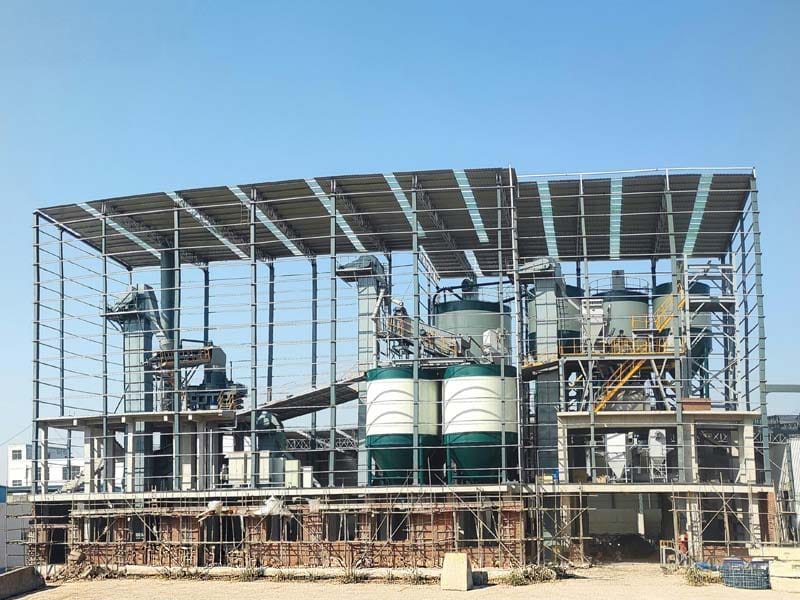
A useful project review needs the application and target quality data.
Poskytnúť:
- intended concrete or mortar product;
- applicable standard;
- target grading curve;
- maximálna veľkosť častíc;
- fines requirement;
- MB or clay-related test method if required;
- moisture requirement;
- materský rock;
- požadované frakcie piesku;
- required output of each fraction.
Náš vyrábané pieskové roztoky can then be reviewed against the real sand quality specifications instead of a generic “high-quality sand” target.
Send your sand specification and mortar or concrete application through our kontaktná stránka for a process review.
Záver
Sand quality specifications should define the sand that the downstream product actually needs. Concrete, masonry mortar and specialty dry mortars do not automatically use the same grading, fines, clay-control or moisture requirements.
The strongest specification separates grading, fineness modulus, powder content, clay-related quality, particle shape, source quality and moisture into measurable properties with clear test methods.
Once the application is defined, the manufactured sand line can be configured around the correct VSI, screening, classification, return and storage strategy. Without that application-first approach, equipment settings can become targets without a clear product reason.
FAQ
What should sand quality specifications include?
They can include grading, maximum size, fines content, clay-related tests, particle shape, source quality, moisture and application-specific durability requirements.
Can the same manufactured sand specification be used for concrete and dry mortar?
Not automatically. Concrete, masonry mortar, tile adhesive, self-leveling mortar and repair mortar can require different aggregate properties and standards.
Is fineness modulus enough to define manufactured sand quality?
No. Fineness modulus is useful for trending overall coarseness, but the full grading curve is still needed to understand how particles are distributed.
Is a lower methylene blue value always required?
Lower clay activity can be beneficial, but there is no universal ASTM C1777 maximum for every application. The applicable project requirement and actual product performance should define acceptance.
What information should I provide before configuring a manufactured sand line?
Provide the intended application, grading curve, fines requirement, clay-related test method, moisture target, source rock and required output by sand fraction.