
Dry Mortar Plant Layout: From Raw Material Intake to Dispatch
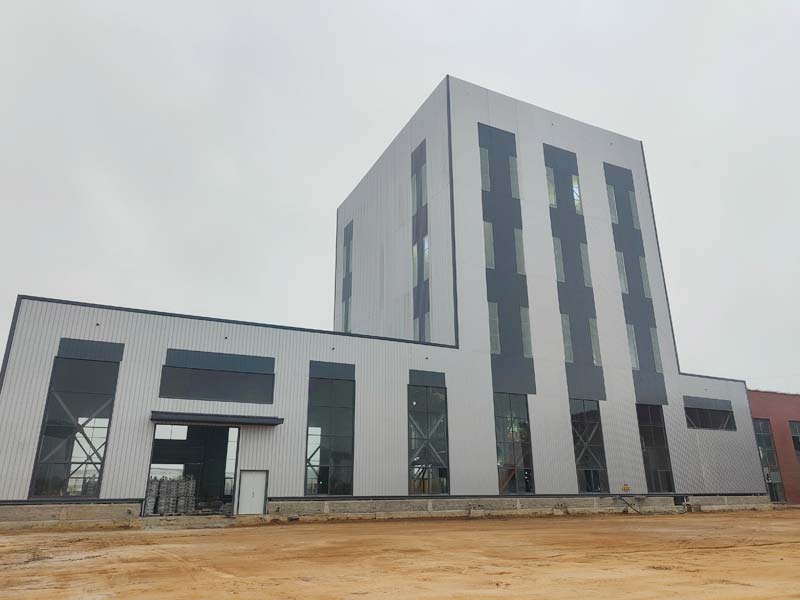
Dry mortar plant layout should follow the complete material path, not just the position of the mixer. Sand, cementitious powders, fillers, additives and finished mortar all need storage, weighing, transfer and access space. If these routes conflict, a plant with adequate mixer capacity can still lose production time through long transfers, blocked aisles, packaging bottlenecks […]
Overhead vs Side-Mounted Silos in Concrete Batching Plants
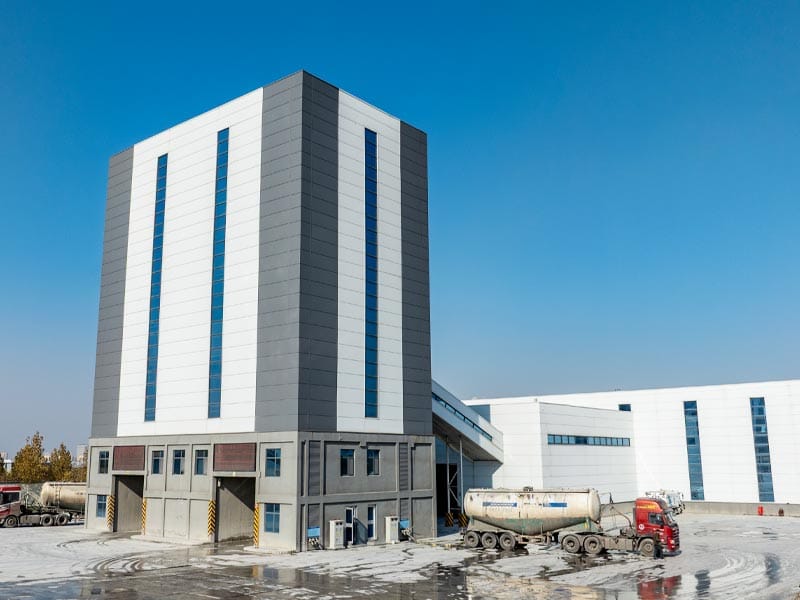
Overhead vs side-mounted silos is primarily a plant-layout decision. It describes where cement, fly ash and other powder silos are positioned relative to the main mixing building. It does not describe how aggregates reach the mixer, because aggregate transfer can use belt conveyors or skip hoists under either general layout concept. For buyers, this distinction […]
Hopper Bridging in Dry Mortar Plants: Causes and Design Checks

Hopper bridging in dry mortar plants can stop material flow even when a storage bin still contains plenty of product. Fine sand, cement, fillers and additives can form a stable arch above the outlet, leaving the feeder starved while material remains suspended inside the hopper. For plant teams, the problem is more serious than a […]
Concrete Batching Plant Project Brief: What Should You Include?
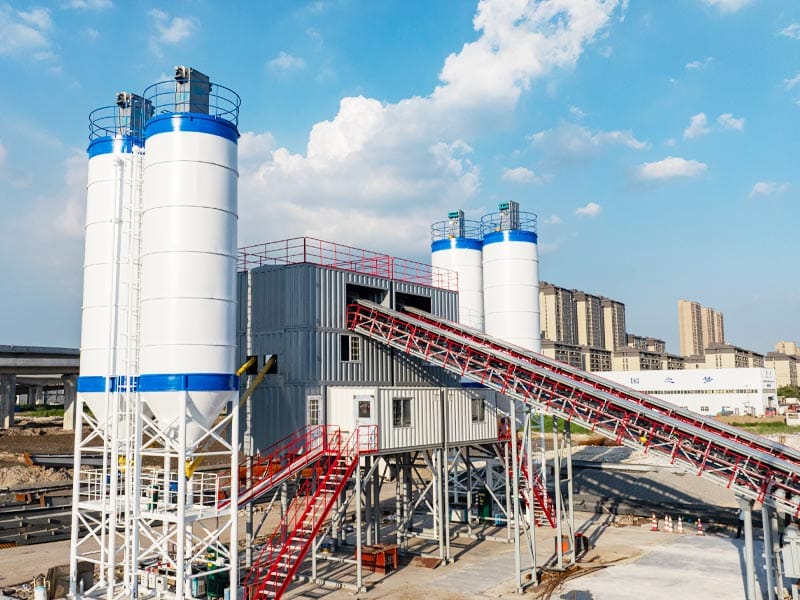
A concrete batching plant project brief should give the equipment supplier enough information to understand how the plant will actually be used. A request that says only “We need a 120 m³/h batching plant” leaves too many unanswered questions about concrete type, peak demand, aggregate supply, truck flow, site conditions, utilities and automation. For buyers, […]
Fine Sand for Mortar: Why One Size Range Does Not Fit Every Product
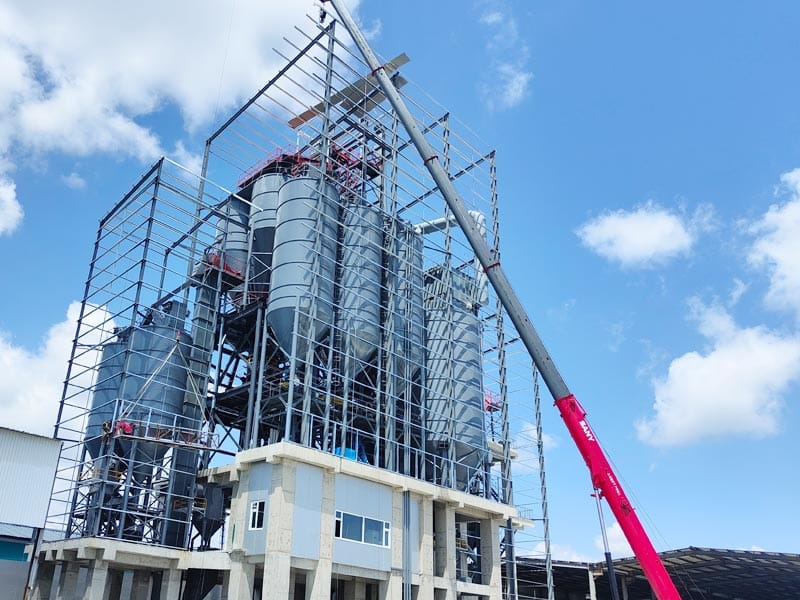
Fine sand for mortar is not a single universal material. Masonry mortar, tile adhesive, self-leveling mortar, waterproof mortar and repair mortar can all use fine aggregate, but they do not necessarily need the same particle-size distribution, powder content, particle shape or sand fraction. For dry mortar producers, the practical question is therefore not “What is […]
Concrete Mixer Shaft Seals: Early Signs That Need Inspection
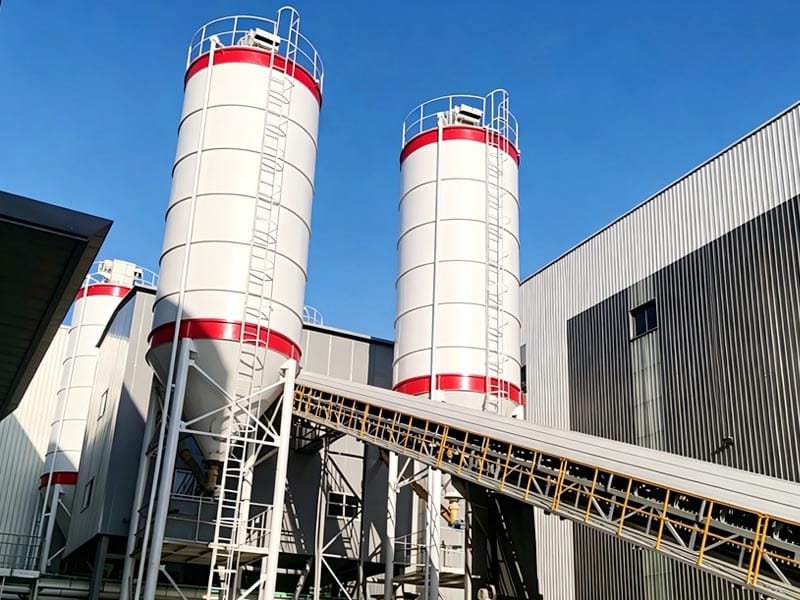
Concrete mixer shaft seals are critical on twin-shaft mixers because the rotating shafts pass through the mixer housing while concrete, cement paste, wash water and abrasive particles remain inside the mixing chamber. The seal system has to keep the wet mix away from bearings and other mechanical components while allowing the shafts to rotate through […]
Waterproof Mortar Production: What Should the Mixing Line Control?
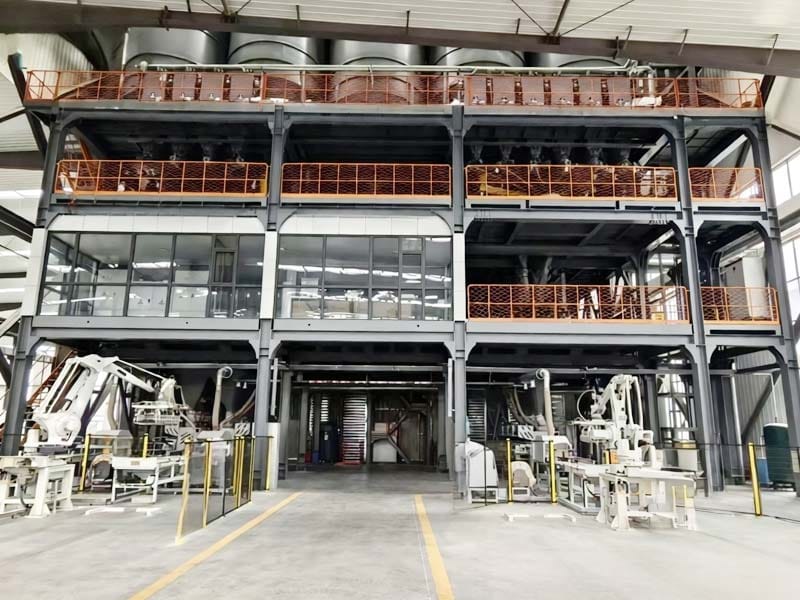
Waterproof mortar production requires more than a mixer with enough nominal capacity. The line has to reproduce a dry formulation that may contain graded sand, cementitious binders, mineral fillers, redispersible polymer powder, water-repellent additives, fibers and other low-dose ingredients. If these materials are not stored, weighed, dispersed and packed consistently, the finished mortar may vary […]
Aggregate Weighing in Concrete Plants: Sources of Variation
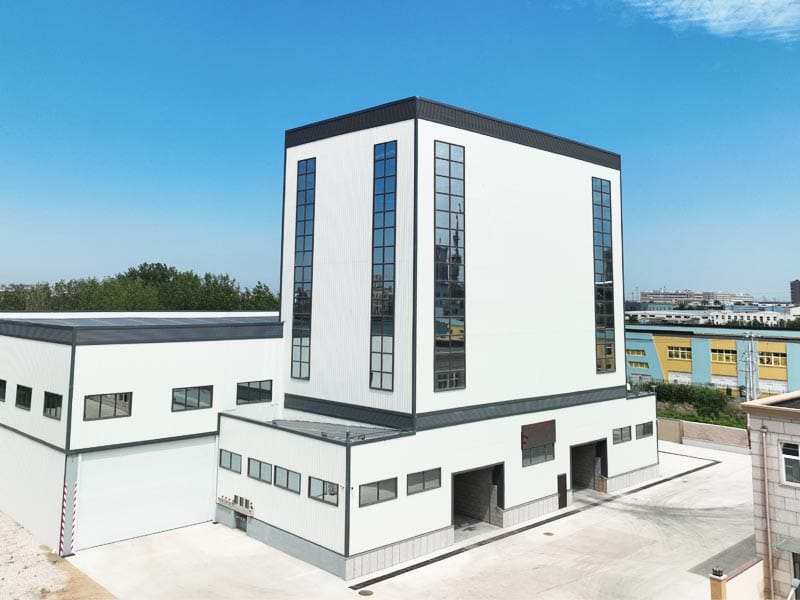
Aggregate weighing is one of the most important control steps in concrete batching because sand and coarse aggregate make up a large share of every batch. If the measured quantity changes unexpectedly, the plant can alter total solids, paste demand, water correction and concrete consistency even when the stored recipe has not changed. However, aggregate […]
VSI Sand Making: How It Fits the Manufactured Sand Production Line
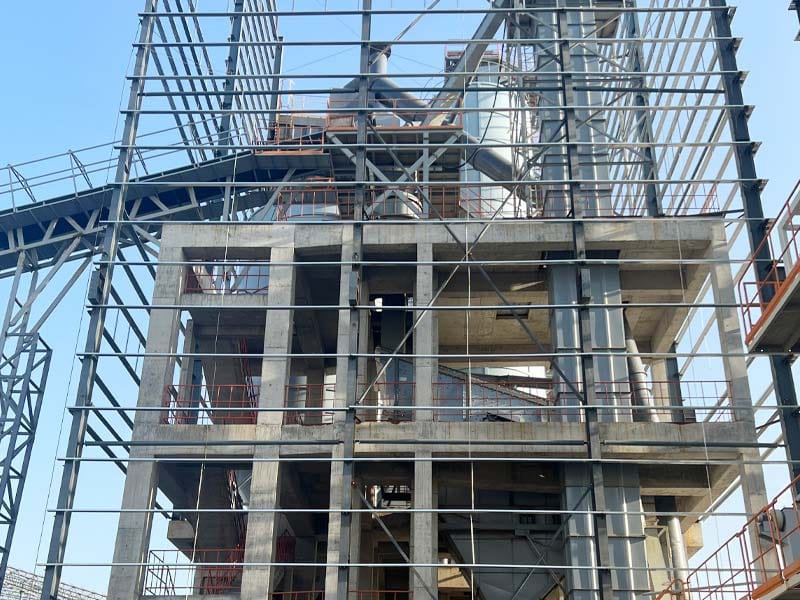
VSI sand making is usually the fine-crushing and shaping stage of a manufactured sand line, not the first machine that receives large quarry rock. Its job is to take properly prepared stone, accelerate it through a vertical-shaft impact process, and create a product that can then be screened and classified into the required sand fractions. […]
Precast Concrete Transport: Match the Plant to the Casting Line
Precast concrete transport is the link between the batching plant and the mold. A mixer can produce excellent concrete at the required rate, but the factory can still lose productivity if the transport bucket is too small, the route is too long, a casting station is not ready, or the return cycle delays the next […]