
Производство водонепроницаемых минометов: чем должна управлять смесительная линия?
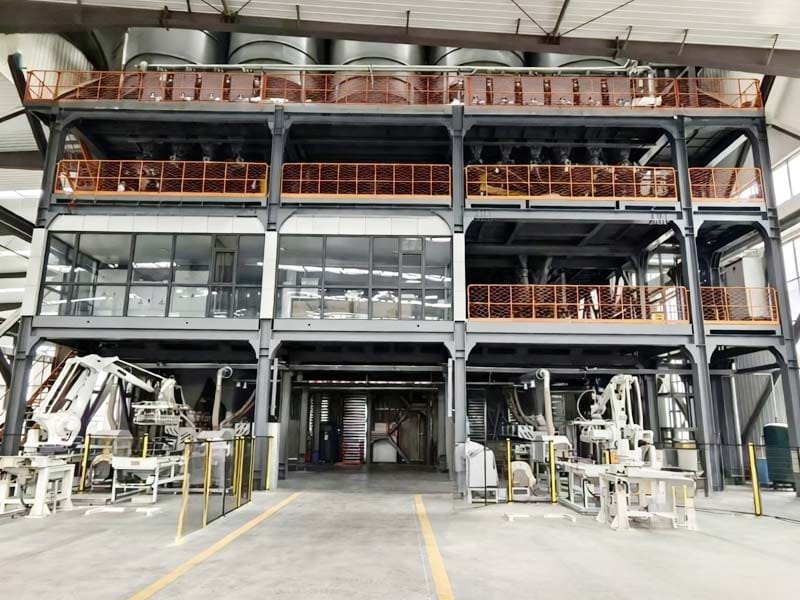
Waterproof mortar production requires more than a mixer with enough nominal capacity. The line has to reproduce a dry formulation that may contain graded sand, cementitious binders, mineral fillers, redispersible polymer powder, water-repellent additives, fibers and other low-dose ingredients. If these materials are not stored, weighed, dispersed and packed consistently, the finished mortar may vary […]
Совокупное взвешивание на бетонных заводах: источники вариаций

Aggregate weighing is one of the most important control steps in concrete batching because sand and coarse aggregate make up a large share of every batch. If the measured quantity changes unexpectedly, the plant can alter total solids, paste demand, water correction and concrete consistency even when the stored recipe has not changed. However, aggregate […]
Производство песка VSI: как он подходит для линии по производству промышленного песка

VSI sand making is usually the fine-crushing and shaping stage of a manufactured sand line, not the first machine that receives large quarry rock. Its job is to take properly prepared stone, accelerate it through a vertical-shaft impact process, and create a product that can then be screened and classified into the required sand fractions. […]
Транспортировка сборного железобетона: подобрать завод к линии литья
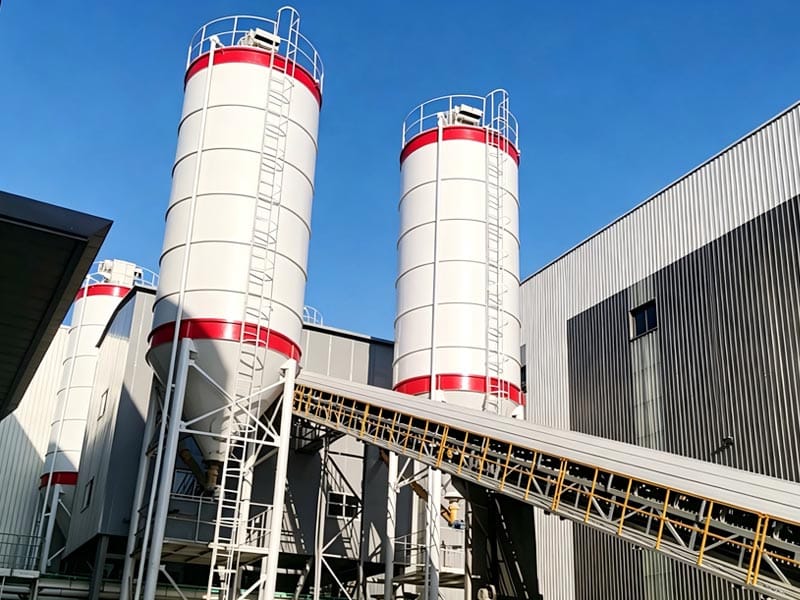
Precast concrete transport is the link between the batching plant and the mold. A mixer can produce excellent concrete at the required rate, but the factory can still lose productivity if the transport bucket is too small, the route is too long, a casting station is not ready, or the return cycle delays the next […]
Мощность установки сухого раствора: почему тип продукта меняет выпуск
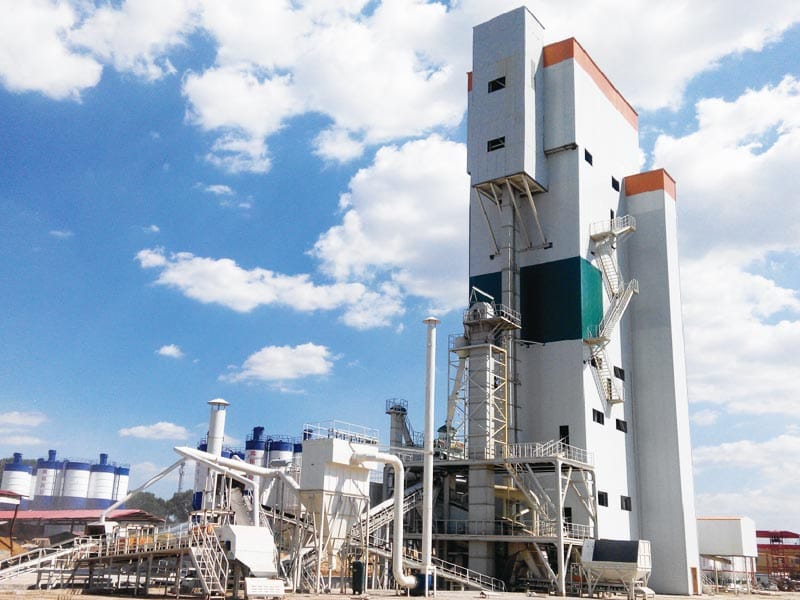
Dry mortar plant capacity should not be judged by mixer size alone. A line that produces masonry mortar efficiently can deliver a different practical output when it switches to tile adhesive, wall putty or self-leveling mortar because the number of ingredients, dosing time, mixing sequence, cleaning requirements and packaging rate can all change. For buyers, […]
Конструкция бетонной установки для литья под давлением: зоны, которые следует планировать в первую очередь
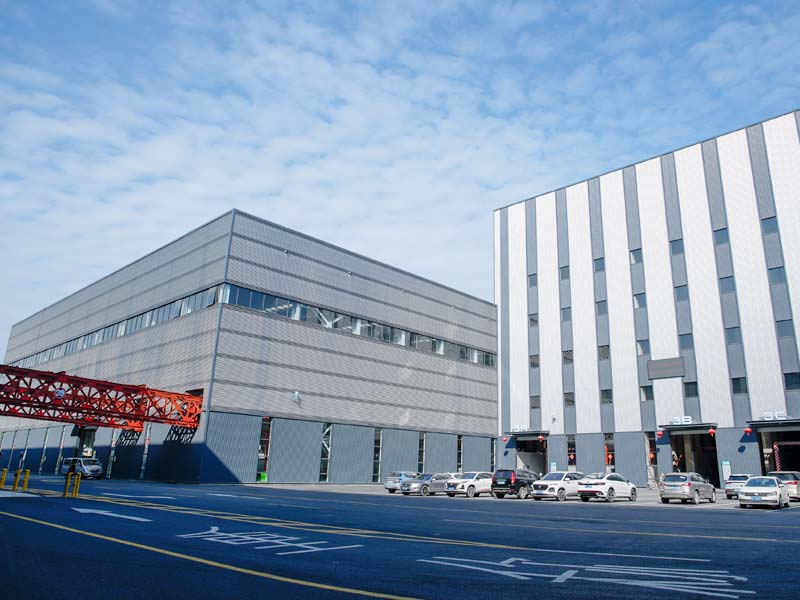
Concrete batching plant layout has a direct effect on production rhythm, material handling, truck movement, maintenance access and environmental control. A plant can have suitable mixer capacity and reliable weighing equipment yet still perform poorly if aggregate loaders cross truck queues, cement tankers block dispatch lanes, or maintenance areas are squeezed between operating equipment. For […]
Mortar Bag Weight Variation: What Should You Check First?

Mortar bag weight variation is usually not caused by one single fault. A bag can end up heavy or light because the packer scale is drifting, the feeder does not stop consistently, the product flows differently from batch to batch, the bag is not positioned correctly, or material is still falling after the cutoff command. […]
Интеллектуальная установка для дозирования бетона: объяснение контроля и отслеживания
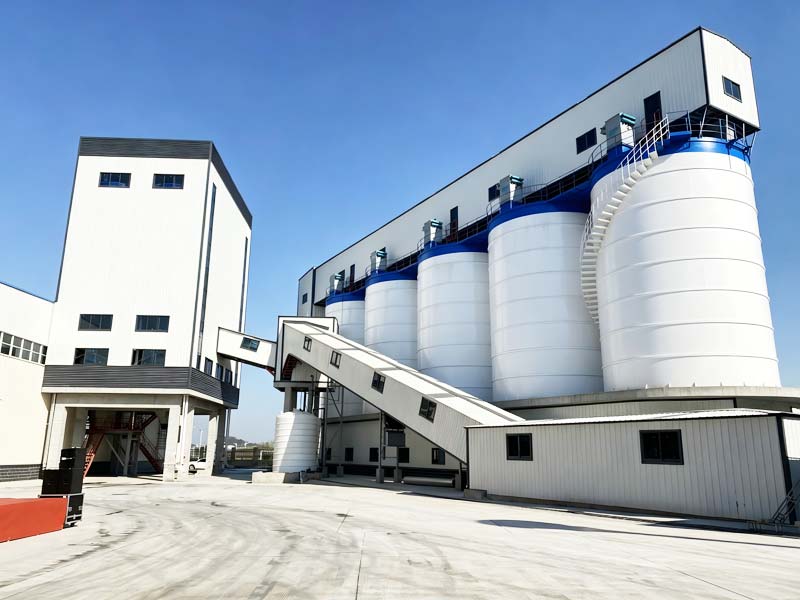
A smart concrete batching plant should do more than automate start and stop commands. Its value comes from controlling material dosing, recording what actually happened in each batch, identifying abnormal conditions, and preserving enough production data for operators, quality teams and project managers to trace a concrete batch later. For buyers, this means “smart” should […]
Производство и натуральный песок: что лучше подходит для сухого раствора?
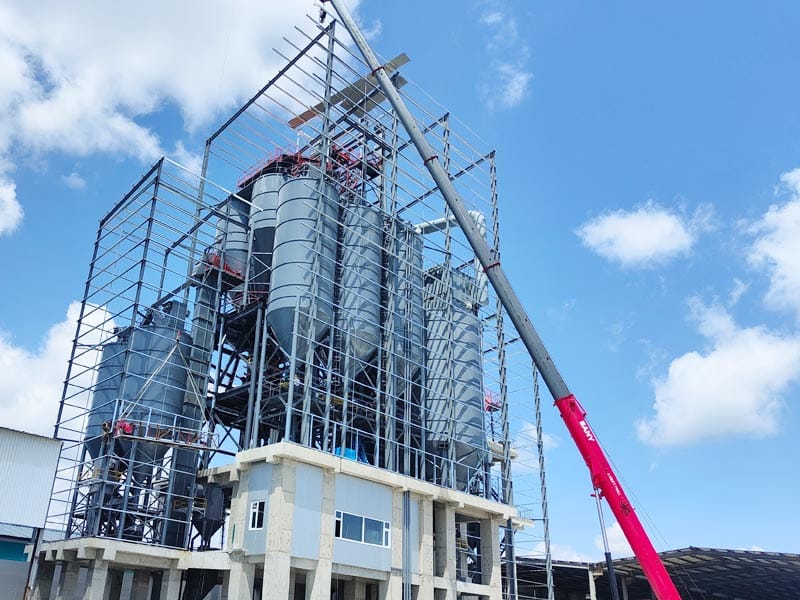
Manufactured vs natural sand is not a simple quality comparison for dry mortar production. Natural sand can offer smoother particles and familiar workability, while manufactured sand gives producers more direct control over crushing, grading and powder content. Either material can perform well—or poorly—depending on its source, particle distribution, fines, moisture and the mortar formulation. For […]
Техническое обслуживание бетоносмесителя: какие заводские бригады должны проверять
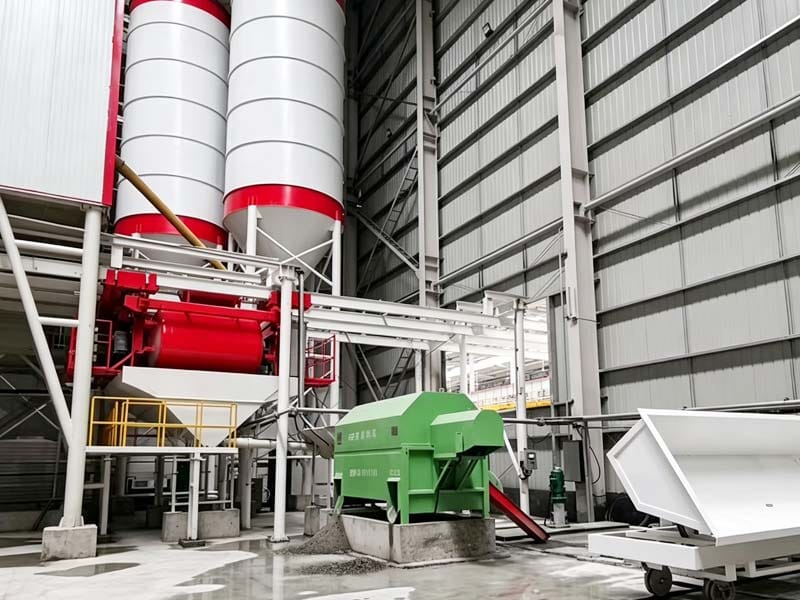
Concrete mixer maintenance should focus on the parts that directly control mixing, discharge and mechanical reliability. In a batching plant, the mixer is exposed to abrasive aggregate, cement paste, vibration, repeated starts and stops, and frequent cleaning. Wear that begins as a small clearance change or material buildup can eventually affect mixing efficiency, discharge time […]