
防水モルタル製造: 混合ラインは何を制御する必要がありますか?
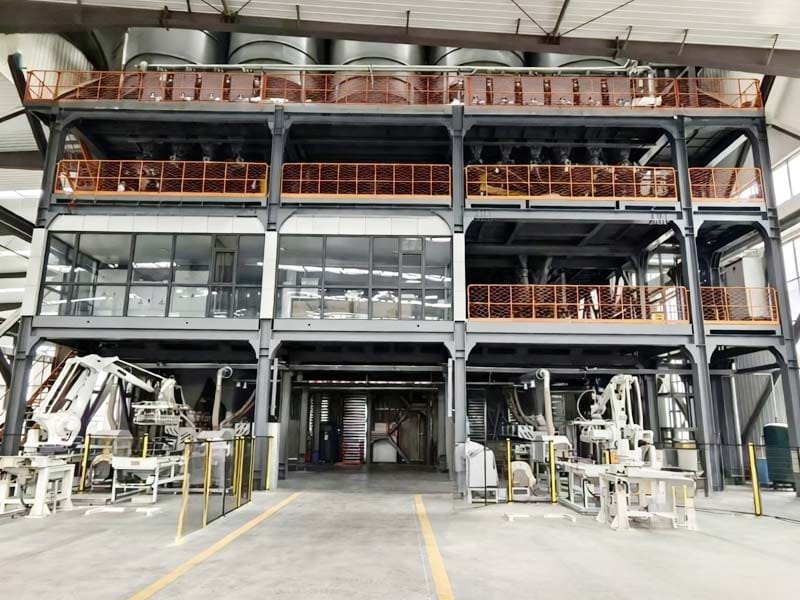
Waterproof mortar production requires more than a mixer with enough nominal capacity. The line has to reproduce a dry formulation that may contain graded sand, cementitious binders, mineral fillers, redispersible polymer powder, water-repellent additives, fibers and other low-dose ingredients. If these materials are not stored, weighed, dispersed and packed consistently, the finished mortar may vary from batch to batch even when the laboratory formula itself has not changed. For equipment buyers, the key question is therefore not simply “Can this plant make waterproof mortar?” It is “Can the complete line handle the ingredient range, small-dose materials, mixing sequence, cleaning requirements and packaging conditions required by my approved waterproof mortar formulations?” […]
コンクリート工場における骨材計量: 変動の原因

Aggregate weighing is one of the most important control steps in concrete batching because sand and coarse aggregate make up a large share of every batch. If the measured quantity changes unexpectedly, the plant can alter total solids, paste demand, water correction and concrete consistency even when the stored recipe has not changed. However, aggregate weighing variation is not always a scale-calibration problem. Material can continue falling after a feeder closes, aggregate can bridge inside a bin, a weighing hopper can touch surrounding steelwork, moisture correction can change the wet target, or cumulative weighing can hide an error in one individual fraction. Our side-mounted bucket concrete mixing plant and overhead […]
VSI 砂の製造: 製造された砂の生産ラインにどのように適合するか

VSI sand making is usually the fine-crushing and shaping stage of a manufactured sand line, not the first machine that receives large quarry rock. Its job is to take properly prepared stone, accelerate it through a vertical-shaft impact process, and create a product that can then be screened and classified into the required sand fractions. For equipment buyers, that distinction matters. A VSI can perform well only when feed size, feed grading, rock properties, screening and return load are designed as one process. Feeding oversized or highly variable quarry material directly into the VSI can overload the sand-making stage and make finished grading difficult to control. Our manufactured sand production […]
プレキャストコンクリート輸送: プラントを鋳造ラインに適合させます
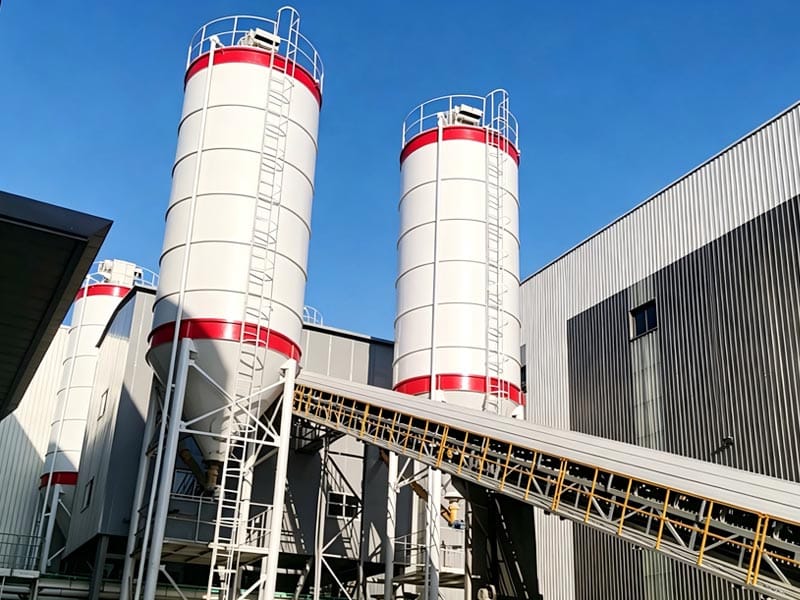
Precast concrete transport is the link between the batching plant and the mold. A mixer can produce excellent concrete at the required rate, but the factory can still lose productivity if the transport bucket is too small, the route is too long, a casting station is not ready, or the return cycle delays the next batch. For precast producers, concrete transport should therefore be designed together with the batching plant. The useful question is not simply how many cubic meters the mixer can produce per hour. It is whether each finished batch can leave the mixer, reach the correct production station and return the transport equipment in time for the […]
乾燥モルタルプラントの容量: 製品タイプが出力を変更する理由
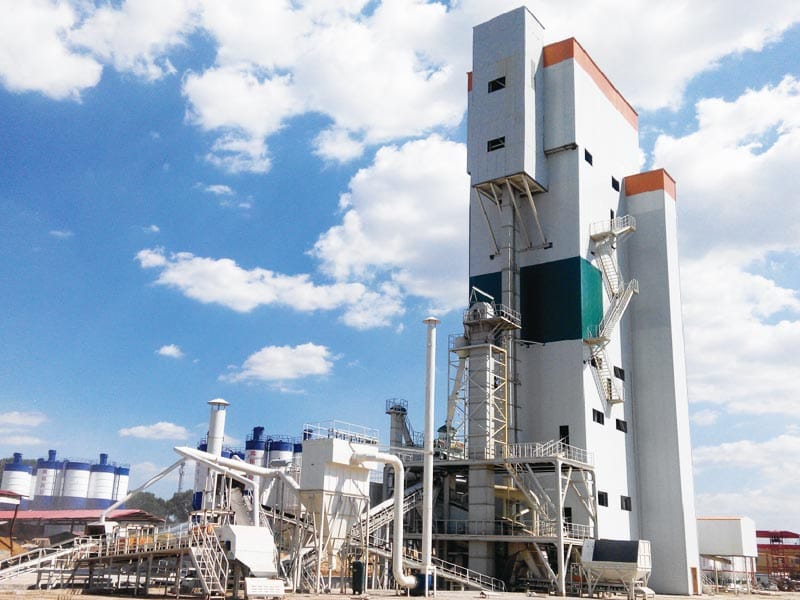
Dry mortar plant capacity should not be judged by mixer size alone. A line that produces masonry mortar efficiently can deliver a different practical output when it switches to tile adhesive, wall putty or self-leveling mortar because the number of ingredients, dosing time, mixing sequence, cleaning requirements and packaging rate can all change. For buyers, the useful question is therefore not simply “How many tonnes per hour can this plant produce?” It is “How much of my actual product can the complete line produce under the intended operating schedule?” Our dry mortar production solutions include tower, step and workshop configurations as well as integrated manufactured-sand systems. This guide explains what […]
コンクリートバッチングプラントのレイアウト: 最初に計画する必要があるゾーン
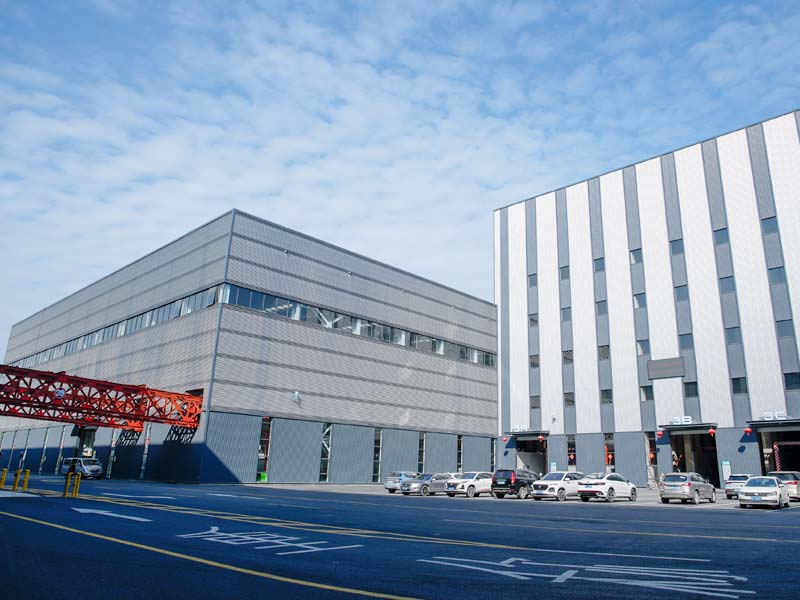
Concrete batching plant layout has a direct effect on production rhythm, material handling, truck movement, maintenance access and environmental control. A plant can have suitable mixer capacity and reliable weighing equipment yet still perform poorly if aggregate loaders cross truck queues, cement tankers block dispatch lanes, or maintenance areas are squeezed between operating equipment. For buyers, the layout should therefore be developed before the final equipment arrangement is approved. The goal is not simply to fit the plant inside the property boundary. It is to create a site where raw materials can enter, concrete can leave, maintenance can be performed and future changes can be made without unnecessary conflict. Our […]
モルタル袋の重量変化: 最初に何を確認する必要がありますか?

Mortar bag weight variation is usually not caused by one single fault. A bag can end up heavy or light because the packer scale is drifting, the feeder does not stop consistently, the product flows differently from batch to batch, the bag is not positioned correctly, or material is still falling after the cutoff command. For a dry mortar producer, this matters because packaging is the final production stage before the product reaches storage and shipment. Even when batching and mixing are stable, inconsistent bag weight can create rework, customer complaints and poor production efficiency. Our workshop-type dry mortar mixing plant transfers mixed material to the packaging system by screw […]
スマートコンクリートバッチングプラント:制御とトレーサビリティについて説明
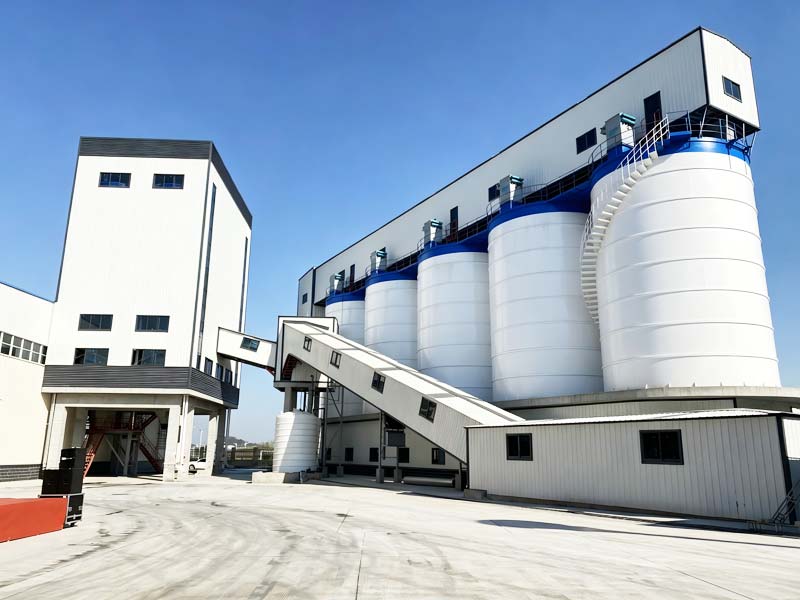
A smart concrete batching plant should do more than automate start and stop commands. Its value comes from controlling material dosing, recording what actually happened in each batch, identifying abnormal conditions, and preserving enough production data for operators, quality teams and project managers to trace a concrete batch later. For buyers, this means “smart” should be translated into specific functions. Which ingredients are controlled automatically? Which values are measured? Which alarms are recorded? Can recipe revisions be traced? Can a supervisor review production remotely without changing unsafe settings? Can batch records be linked to delivery or precast production information? Our mobile concrete batching plant integrates batching, weighing, mixing and computer […]
製造砂と天然砂: 乾燥モルタルにはどちらが適していますか?
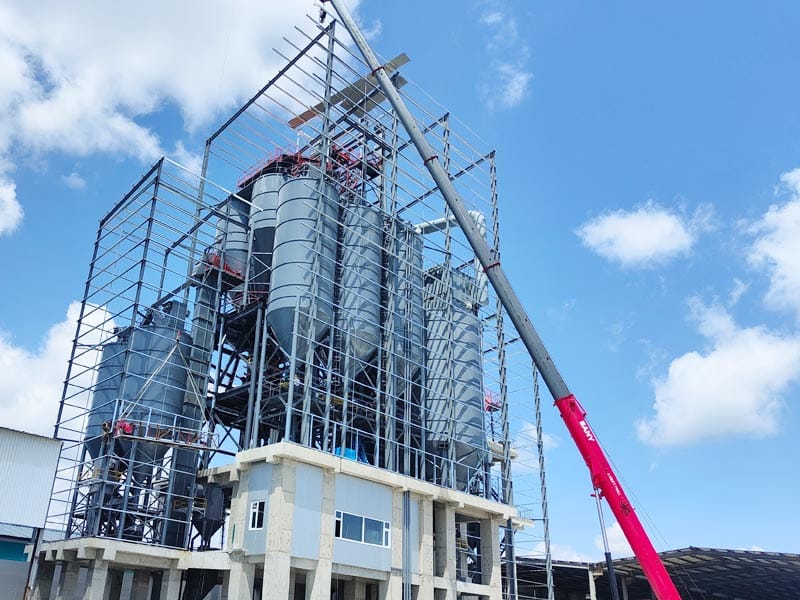
Manufactured vs natural sand is not a simple quality comparison for dry mortar production. Natural sand can offer smoother particles and familiar workability, while manufactured sand gives producers more direct control over crushing, grading and powder content. Either material can perform well—or poorly—depending on its source, particle distribution, fines, moisture and the mortar formulation. For dry mortar manufacturers, the useful question is not “Which sand is better?” It is “Which sand can be supplied consistently, meet the product specification and fit the production line without forcing unstable recipe corrections?” Our manufactured sand production line and integrated manufactured sand and special mortar plant are designed for projects that want to control […]
コンクリートミキサーのメンテナンス: プラントチームが検査すべきもの
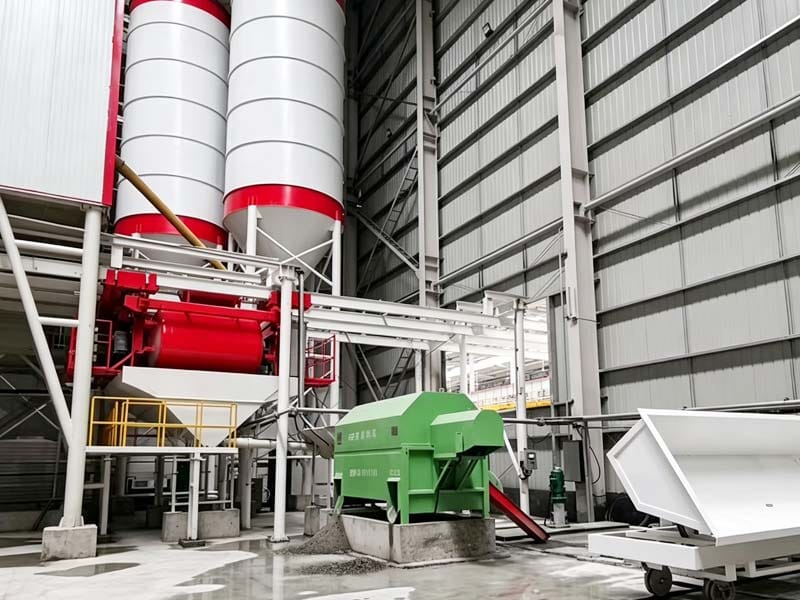
Concrete mixer maintenance should focus on the parts that directly control mixing, discharge and mechanical reliability. In a batching plant, the mixer is exposed to abrasive aggregate, cement paste, vibration, repeated starts and stops, and frequent cleaning. Wear that begins as a small clearance change or material buildup can eventually affect mixing efficiency, discharge time and unplanned downtime. The maintenance strategy should therefore be tied to the actual mixer configuration. Our mobile concrete batching plant uses a twin-shaft forced mixer with multiple shaft-end seals, while our precast concrete batching plant uses a vertical-shaft planetary mixer with multiple discharge doors. The inspection points are related, but they are not identical. This […]