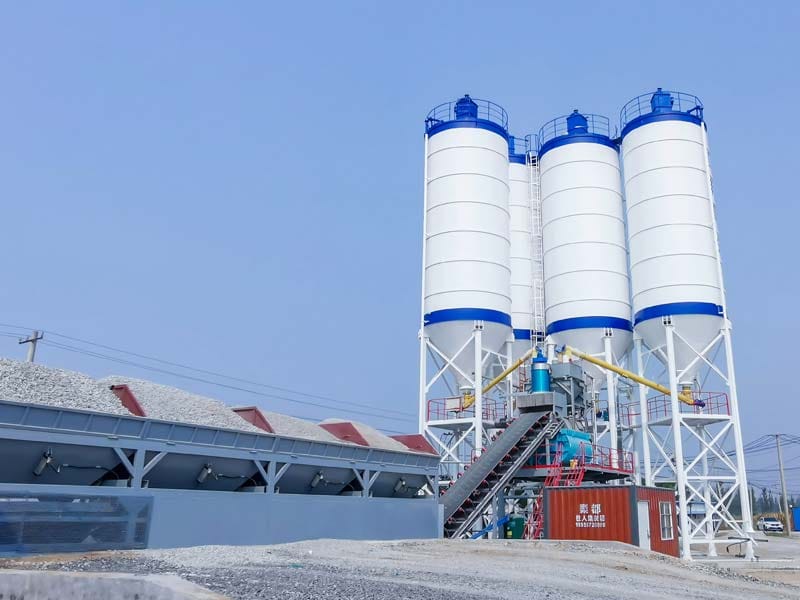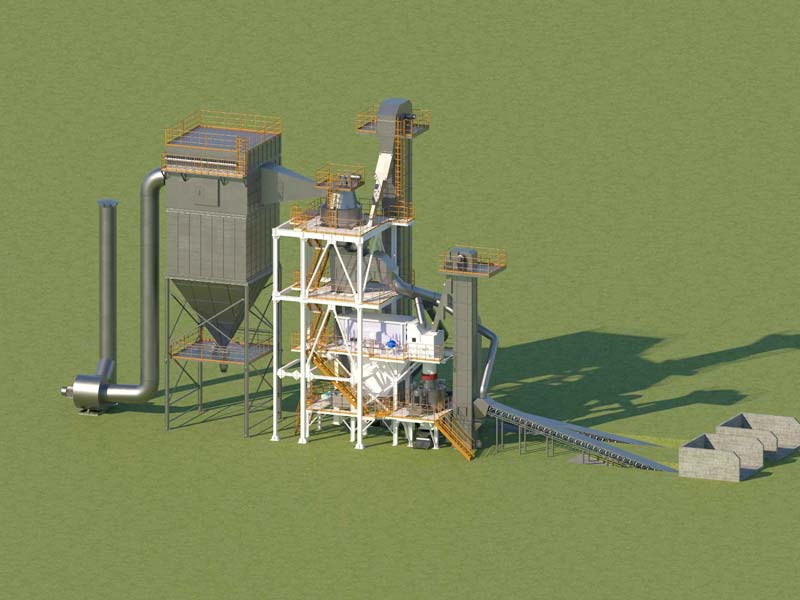
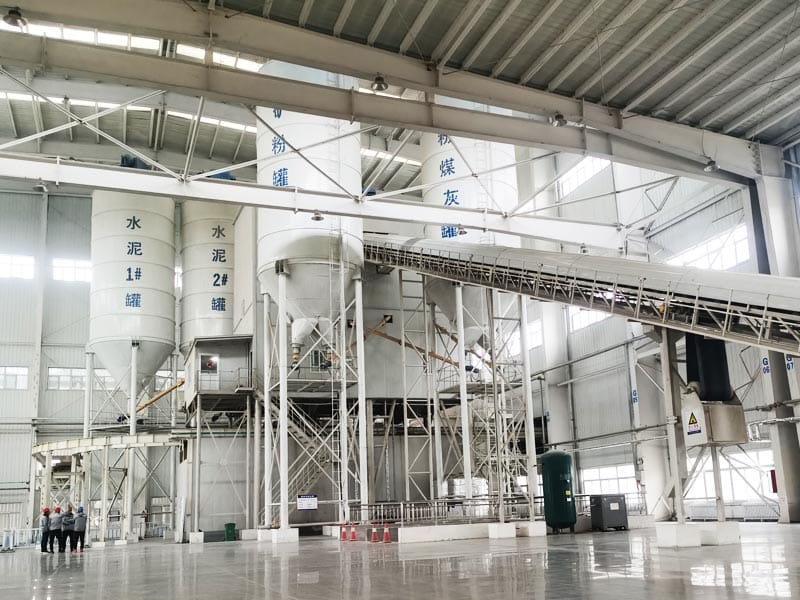
Tunnel segment concrete places demanding requirements on a batching plant because precast tunnel linings are produced in repetitive mold cycles with tight dimensional control, high durability expectations and strict traceability. The concrete plant must do more than supply enough cubic meters per hour. It must reproduce the same mixture accurately across many short, repeated batches while staying synchronized with mold preparation, reinforcement, casting, curing, demolding and storage.
For equipment buyers, the correct plant configuration depends on the segment production method. Conventional reinforced segments, steel-fiber-reinforced segments and self-consolidating concrete can all create different requirements for batching, mixing, transport and quality control.
Náš prefabrikovaná betonáreň uses a planetary mixer, multiple discharge doors, moisture and temperature monitoring and production-line software interfaces. This guide explains how those functions relate to tunnel segment concrete production.
Why Tunnel Segment Concrete Needs a Dedicated Production Strategy
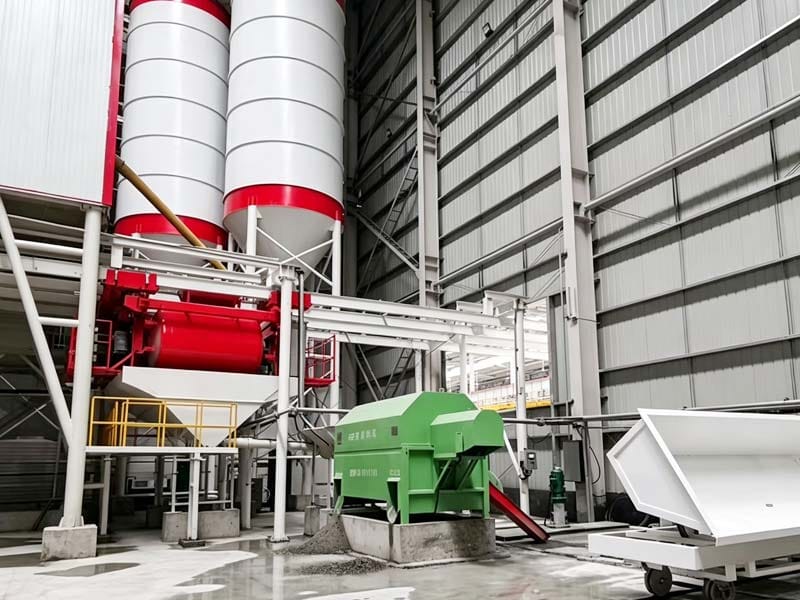
Precast tunnel segments form structural rings installed behind a tunnel boring machine. Because each ring depends on several individual segments fitting together accurately, production repeatability matters at both concrete and dimensional levels.
ACI PRC-533.5 provides industry guidance for precast concrete tunnel segments, while FHWA research on segmental liners highlights durability, handling, construction loads and manufacturing quality as important lifecycle considerations.
For tunnel segment concrete, the batching plant should therefore be reviewed together with:
- segment geometry;
- number of molds;
- rings produced per shift;
- concrete volume per segment;
- reinforcement system;
- casting method;
- curing method;
- demolding schedule;
- quality-control plan.
Start with the Mold Cycle
Tunnel segment factories are usually highly repetitive.
A typical production cycle can include:
- mold cleaning;
- release-agent application;
- reinforcement or fiber preparation;
- embedded component placement;
- concrete casting;
- dokončovanie;
- curing;
- demolding;
- inspection.
The batching plant must support the casting portion of that cycle without forcing molds to wait unnecessarily.
| Výrobný vstup | Prečo na tom záleží | Dávkovanie implikácia |
|---|---|---|
| Segments per ring | Defines repeated production quantity | Controls shift demand |
| Molds in operation | Defines concurrent casting demand | Influences batching frequency |
| Concrete per segment | Defines delivery size | Influences mixer batch size |
| Cycle time | Controls mold turnover | Defines required supply rhythm |
| Demolding schedule | Links production with early-age performance | Requires consistent batches |
High Repetition Makes Batch Consistency Especially Important
A tunnel project may require thousands of similar segments.
That makes small systematic batching errors more important than they would be in occasional project concrete.
Tunnel segment concrete production should control:
- aggregate mass;
- cementové materiály;
- voda;
- prímesi;
- fiber dosage where used;
- čas miešania;
- teplota betónu.
A repeated production process benefits from stable raw materials and repeatable automatic batching.
Batch Size Should Match the Number of Molds Being Filled
The mixer should be selected around actual mold demand.
If one full mixer batch corresponds poorly with the volume needed by the active molds, production can create frequent partial batches or leftover concrete.
For tunnel segment concrete, review:
- concrete volume per mold;
- number of molds filled from one batch;
- normal mixer batch size;
- najmenšia kompletizačná dávka;
- maximum practical batch.
The goal is to make the batching rhythm fit the mold cycle rather than forcing the mold cycle to fit the mixer.
Small Completion Batches Need Validation
Even a highly repetitive segment line can require a smaller final batch near the end of a casting sequence.
A mixer that performs well at full load may behave differently at lower fill level.
For tunnel segment concrete, commissioning should therefore include:
- normal full production batches;
- smaller completion batches;
- weighing repeatability;
- rovnomernosť miešania;
- complete discharge.
Planetary Mixing Can Suit Precast Segment Production
Our precast batching plant uses a vertical-shaft planetary mixer.
This architecture is commonly used in precast production because the mixing tools move through overlapping paths inside the pan.
For tunnel segment concrete, the important issue is whether the mixer can repeatedly handle the approved concrete system.
Validate performance with the actual:
- súhrnné triedenie;
- binder system;
- water content;
- balenie prímesí;
- obsah vlákniny;
- batch volume.
Náš planetárne vs dvojhriadeľové vedenie mixéra explains why mixer selection should follow the product and production method.
Self-Consolidating Concrete Can Change the Plant Requirements
Self-consolidating concrete has been used in precast tunnel segment production, including horizontally cast molds.
Where SCC is approved, tunnel segment concrete production needs close control of:
- fine aggregate moisture;
- total water;
- dávkovanie prímesi;
- postupnosť miešania;
- trvanie miešania;
- čakacia doba prepravy;
- testovanie čerstvého majetku.
SCC can reduce reliance on vibration, but it should not be treated as a forgiving mixture. Small changes in moisture or admixture response can alter flow and segregation resistance.
Fiber-Reinforced Segments Need Dedicated Dosing and Mixing Review
ITAtech guidance treats production and quality control as essential parts of fiber-reinforced precast segment manufacturing.
Fiber-reinforced tunnel segment concrete creates additional plant questions:
- typ vlákna;
- dĺžka vlákna;
- dose per batch;
- spôsob skladovania;
- feeding system;
- addition timing;
- dispersion;
- cleaning.
The batching plant should not assume a normal powder feeder is suitable for fibers.
Fiber Addition Needs Batch Traceability
If fibers are added automatically or manually, the production record should identify the quantity associated with each concrete batch.
For tunnel segment concrete, this helps connect:
- fiber dosage;
- batch ID;
- segment or mold ID;
- quality-control specimen;
- finished-segment inspection.
Recent ACI-published research on statistical process control for fiber-reinforced precast tunnel segments also illustrates the importance of production-quality data across large numbers of repeated specimens.
Aggregate Grading Should Stay Stable
Tunnel segment production depends on repeated concrete behavior.
Changes in aggregate grading can change workability, packing and paste demand.
Recenzia:
- oddelenie zásob;
- zmeny zdroja;
- segregation;
- kontaminácia koša;
- fine aggregate grading;
- coarse aggregate grading.
A batching plant cannot compensate indefinitely for uncontrolled aggregate variation.
Aggregate Moisture Correction Is Critical
Fine aggregate moisture changes both the wet aggregate quantity and the separate batch water required.
For tunnel segment concrete, uncontrolled moisture can lead to batch-to-batch changes even if the recipe displayed on the HMI remains unchanged.
The plant should support:
- reprezentatívne meranie vlhkosti;
- wet-mass correction;
- korekcia vody;
- reference moisture testing;
- recording of corrected values.
Náš sprievodca korekciou vlhkosti agregátu explains this material-balance logic.
Water Dosing Should Be Checked at the Real Production Range
Tunnel segment concrete may use relatively low water content depending on the approved mixture.
A fixed water error becomes more significant as the target quantity decreases.
For production validation, check:
- minimum water target;
- normal target;
- moisture-corrected target;
- repeatability;
- manual adjustments.
Náš water dosing guide compares weighing and flow measurement for concrete plants.
Concrete Temperature Can Affect Production Rhythm
Early-age concrete development is important in precast factories because the next production stage may depend on safe demolding and handling.
FHWA tunnel-segment research notes that precast segments experience important loads during demolding, handling, storage and installation and that early-age condition matters to those stages.
For tunnel segment concrete, record concrete temperature together with:
- batch time;
- mold ID;
- cyklus vytvrdzovania;
- demolding time;
- strength test results.
Naša prefabrikovaná dávkovacia prevádzka zahŕňa monitorovanie vlhkosti a teploty vo svojej zverejnenej konfigurácii.
Curing and Batching Should Be Planned Together
The batching plant does not control curing directly, but concrete production determines the starting condition of every segment.
If one batch arrives significantly hotter, wetter or more fluid than the next, curing response can change.
For tunnel segment concrete, the production team should link batching records with:
- curing start time;
- curing method;
- temperature history;
- demolding result;
- quality-control tests.
Early Demolding Should Not Be Treated as a Batching Speed Target
Factories often want short mold cycles, but faster concrete production does not automatically justify earlier demolding.
FHWA literature emphasizes that segments must resist handling and storage loads at the strength actually available at those stages.
The required demolding condition should come from the approved engineering specification and quality plan.
The batching plant’s role is to produce concrete consistently enough that the curing and release process is predictable.
Segment Geometry Makes Dimensional Consistency Important
A tunnel ring is assembled from multiple segments.
Dimensional variation can affect joint fit, gasket compression and installation.
The batching plant cannot control mold geometry, but stable concrete helps the factory reduce one source of production variation.
For tunnel segment concrete, maintain consistent:
- spracovateľnosť;
- air content where specified;
- temperature;
- množstvo dávky;
- postupnosť miešania.
Transport from Mixer to Mold Can Become the Bottleneck
Concrete may move from the mixer to molds through buckets, distributors or another plant-specific system.
For tunnel segment concrete, compare:
- mixer batch volume;
- bucket or distributor capacity;
- cestovná vzdialenosť;
- počet prepravných jednotiek;
- mold waiting time;
- čas cyklu návratu.
Náš prefabrikovaný betón sprievodca prepravou explains why transport can limit production even when the mixer is fast enough.
Multiple Discharge Doors Can Support Different Mold Areas
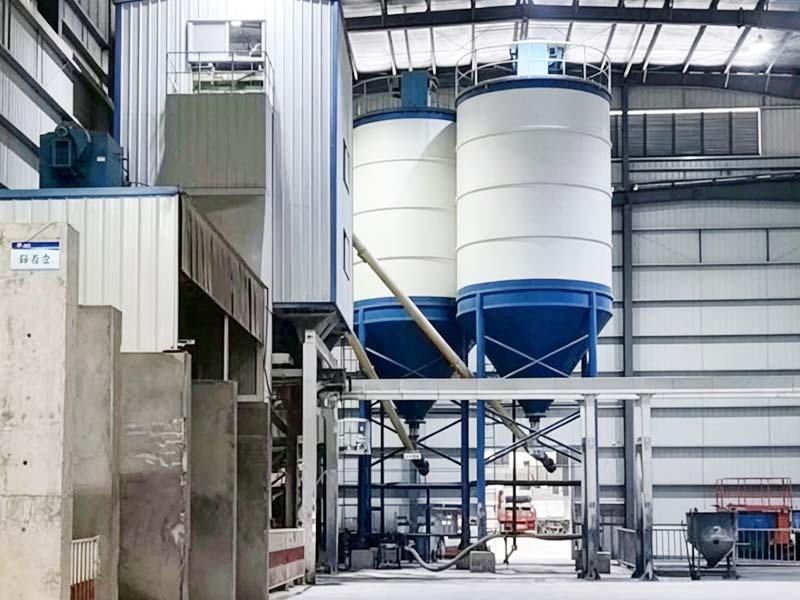
Naša prefabrikovaná dávkovacia prevádzka používa viacero vypúšťacích dvierok.
For tunnel segment concrete, this can help serve different transport paths or production cells.
Definujte:
- which discharge serves each route;
- receiver identification;
- receiver-ready signal;
- route priority;
- fallback procedure if one route is unavailable.
Multiple discharge doors improve routing flexibility but do not replace proper production scheduling.
Batch Traceability Should Reach the Segment or Ring Lot
High-volume repetitive production benefits from strong traceability.
| Batch data | Production link |
|---|---|
| ID šarže | Mold, segment or ring lot |
| Revízia receptúry | Approved concrete mix |
| Skutočné množstvá prísad | Quality-control review |
| Aggregate moisture | História vodokorekcie |
| Teplota betónu | Curing context |
| Fiber dose where used | FRC production record |
| Alarm alebo prepísanie | Preskúmanie nápravných opatrení |
Náš sprievodca inteligentným betónovým dávkovacím zariadením explains how batch records can support product-level traceability.
Software Interfaces Should Follow the Mold Production System
Our precast batching plant supports production-line software interfaces.
For tunnel segment concrete, possible exchanged data can include:
- mold ID;
- segment type;
- žiadosť o recept;
- množstvo dávky;
- casting destination;
- batch completion;
- quality information.
The exact interface should be agreed before commissioning.
Storage Capacity Must Support Repetitive Peak Demand
A segment line can produce similar batches for many hours.
That creates sustained consumption of:
- aggregate;
- cementitious powder;
- voda;
- prímesi;
- fibers where used.
For tunnel segment concrete, size storage from the peak production window and replenishment schedule, not only average daily demand.
Material Replenishment Should Not Interrupt Mold Cycles
If cement tanker filling, aggregate replenishment or fiber loading interrupts the batching cycle, mold utilization falls.
The plant layout should therefore separate replenishment logistics from the immediate casting route where practical.
Consider:
- cement tanker access;
- loader path;
- fiber loading point;
- truck or bucket route;
- pedestrian access.
Quality Control Should Use Trend Data
With high-volume repetitive production, isolated pass/fail results provide limited information.
Recent research published through ACI has specifically explored statistical process control for fiber-reinforced precast tunnel segments using large sets of production test data.
For tunnel segment concrete, trend:
- batch weights;
- moisture values;
- temperature;
- fresh concrete properties;
- strength results;
- fiber-related results where applicable.
This can reveal process drift before it becomes a large production problem.
Maintenance Windows Should Follow the Mold Schedule
A batching plant shutdown can stop a complete segment cell.
Plan maintenance around:
- mold cleaning;
- curing periods;
- non-casting shifts;
- planned production breaks.
Náš sprievodca údržbou miešačky betónu explains how wear parts, discharge gates and drive systems should be inspected before failure affects production.
Commissioning Should Include Real Segment Production
A new plant should not be accepted only from empty-cycle operation.
For tunnel segment concrete, commissioning should include:
- reprezentatívne agregáty;
- normálna veľkosť dávky;
- small completion batch;
- korekcia vlhkosti;
- dávkovanie vody a prímesí;
- fiber addition where applicable;
- miešanie;
- transport to the actual mold area;
- generovanie dávkových záznamov.
The final verification should connect the batching system with real segment production and quality-control results.
What Should Buyers Send for a Tunnel Segment Plant Review?
A useful equipment review needs the actual segment production plan.
Poskytnúť:
- segment geometry;
- segments per ring;
- number of molds;
- concrete volume per segment;
- rings or segments per shift;
- normal and minimum batch size;
- reinforcement or fiber system;
- SCC or conventional concrete requirement;
- spôsob dopravy;
- curing method;
- factory layout;
- požiadavky na softvérové rozhranie.
Náš prefabrikované betónové riešenia can then be configured around the real mold cycle and production system rather than a generic precast plant specification.
Send your segment product data and production schedule through our kontaktná stránka pre preskúmanie dávkovacieho zariadenia špecifické pre daný projekt.
Záver
Tunnel segment concrete requires a batching plant that can support high repetition, stable concrete properties and close coordination with mold production, curing and quality control.
The strongest plant selection considers batch size, planetary mixing, aggregate moisture, water and admixture dosing, fiber handling, transport cycle, storage and traceability as one connected system.
For a tunnel segment factory, consistent production is more important than a headline capacity number. The plant should be designed around the segment cycle and validated with the actual materials and production conditions.
FAQ
What batching plant is suitable for tunnel segment concrete?
A precast-focused plant with accurate batching, repeatable mixing, moisture correction, suitable batch sizes, reliable transport and production traceability is typically required. The exact configuration depends on the segment factory.
Can SCC be used for precast tunnel segments?
Yes, where approved by the project design and specification. SCC production requires stable moisture, water, admixture and mixing control together with appropriate fresh-property testing.
How are fibers handled in tunnel segment concrete production?
Fiber type, dosage, feeder design, addition timing and dispersion should be validated for the actual product. Fiber quantities should also be traceable to the relevant production batch.
Why is batch traceability important for tunnel segments?
Thousands of similar segments may be produced. Linking batch data with segment or ring lots makes it easier to investigate quality trends and isolate any abnormal production period.
What information should I provide before selecting a batching plant for tunnel segments?
Provide segment dimensions, mold count, concrete volume, production schedule, reinforcement system, batch sizes, concrete type, transport method, curing process and software-interface requirements.