
자체 레벨링 박격포 생산: 플랜트 설계 방법
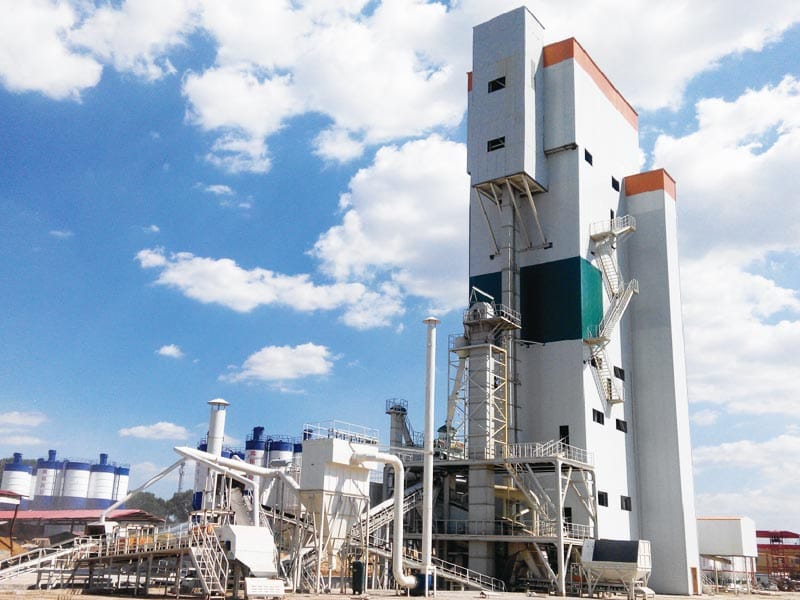
Self-leveling mortar production requires more than a dry mixer and a packaging machine. The finished product must flow, level and develop the required hardened properties after water is added on site, which means the factory has to reproduce a sensitive dry formulation batch after batch. For equipment buyers, the main challenge is translating that formulation […]
배치 플랜트 교정: 어떤 측정 시스템이 점검이 필요합니까?
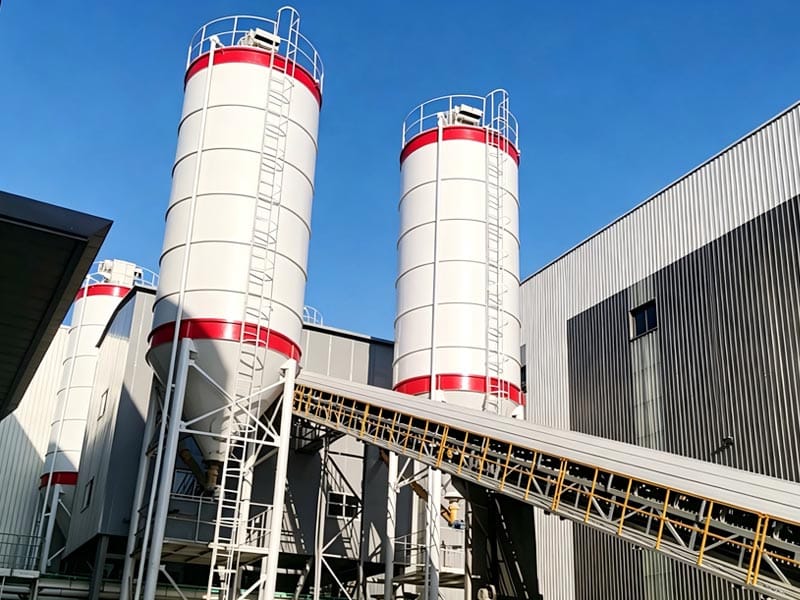
Batching plant calibration should verify the measuring systems that turn a concrete recipe into actual material quantities. Aggregate, cementitious powders, water and admixtures may use different weighing or metering methods, so one general “plant calibration” result does not prove that every ingredient is being dosed correctly. For buyers and plant teams, the key question is […]
프리캐스트 콘크리트 일관성: 배치 공장에서 제어해야 할 사항
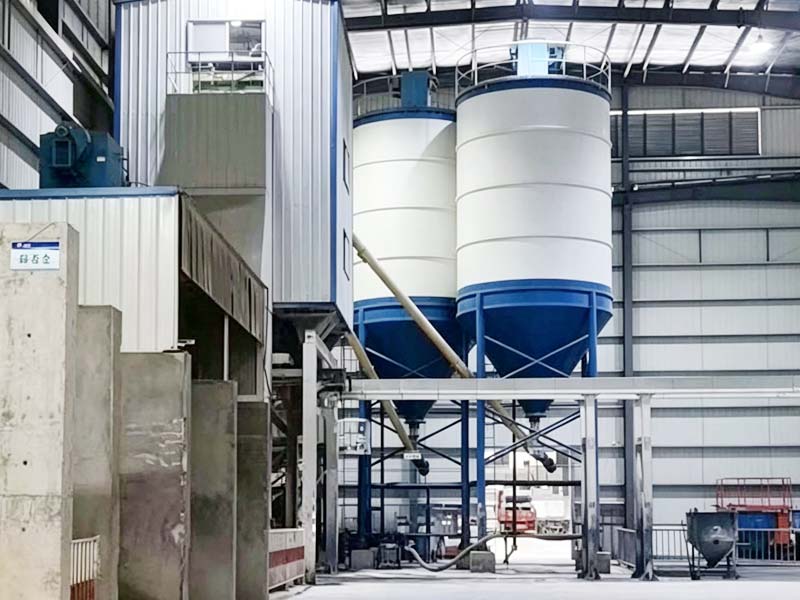
Precast concrete consistency is not created by the mixer alone. It depends on whether every batch receives the intended aggregate solids, water, cementitious materials and admixtures, whether those materials are mixed under repeatable conditions, and whether the concrete reaches the casting station without uncontrolled delay or handling changes. For a precast factory, this matters because […]
작업장 건식 박격포 공장: 기존 건물에서 확인해야 할 사항
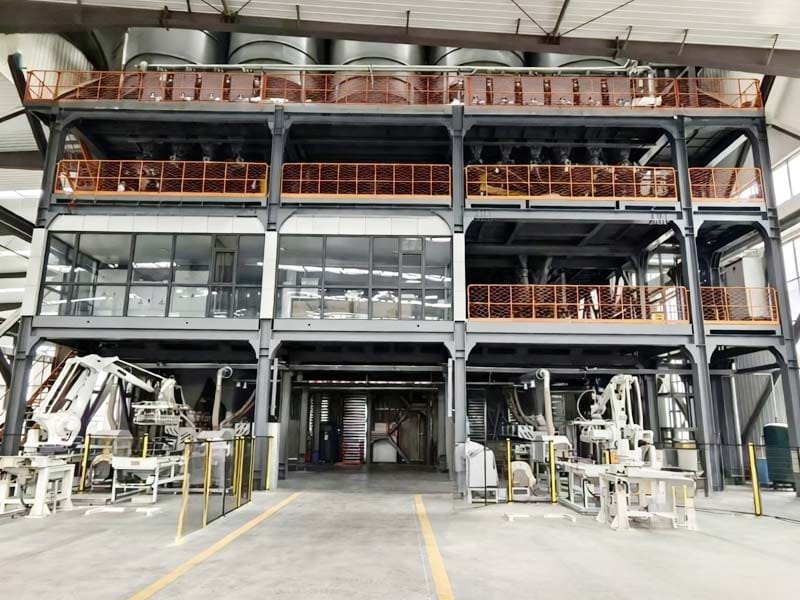
A workshop dry mortar plant can be a practical choice when a manufacturer already has an industrial building and wants to add dry mortar production without constructing a full tower-style facility. But “the equipment fits inside” is not enough. Clear height, floor loading, raw-material access, screw-conveyor routes, dust extraction, packaging space and maintenance access all […]
벨트 컨베이어 대 스킵 호이스트: 어떤 배치 플랜트가 적합합니까?
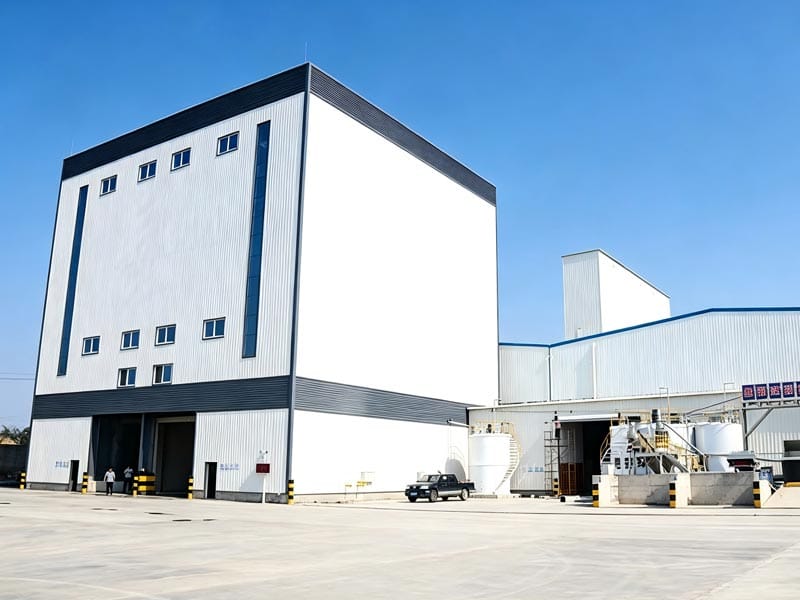
Belt conveyor vs skip hoist is one of the most important layout decisions in a concrete batching plant because the aggregate feeding method affects plant footprint, batch rhythm, maintenance access and the way material reaches the mixer. The choice should not be made from a simple rule that one system is “large” and the other […]
건식 박격포 계량 정확도: 생산 점검 커버는 무엇을 해야 합니까?
Dry mortar weighing accuracy should be checked across the complete batching sequence, not only at the load cell. A scale can indicate a weight correctly while a screw feeder overshoots, material hangs inside a hopper, or a low-dose additive falls outside the measuring range that the system can handle reliably. For dry mortar producers, this […]
배치 플랜트 환경 설계: 먼지, 소음 및 물
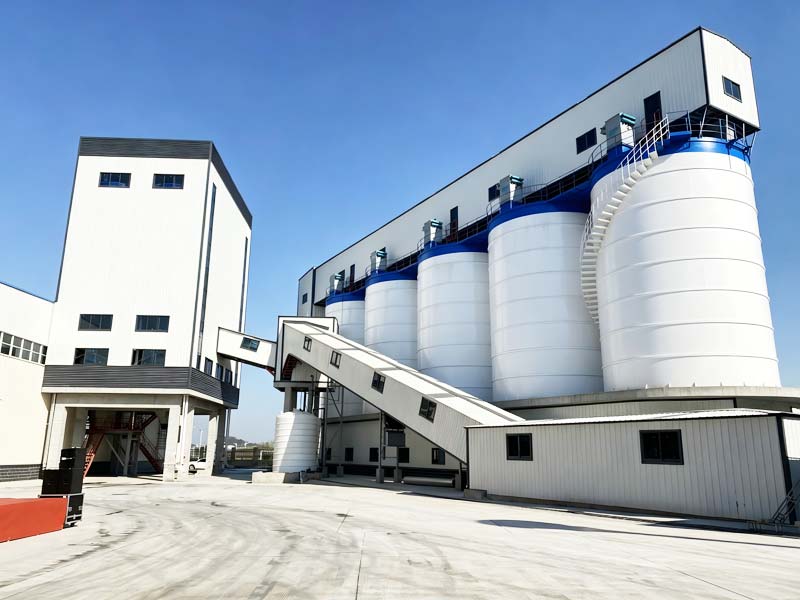
Batching plant environmental design should start before equipment is placed on a site. Dust from cement and aggregate transfer, noise from conveyors and mixers, and water from truck washing or plant cleaning all depend on layout decisions that are difficult to correct after construction. For buyers, the environmental discussion should therefore be part of plant […]
통합 모래 박격포 공장: 두 프로세스가 연결되는 방법
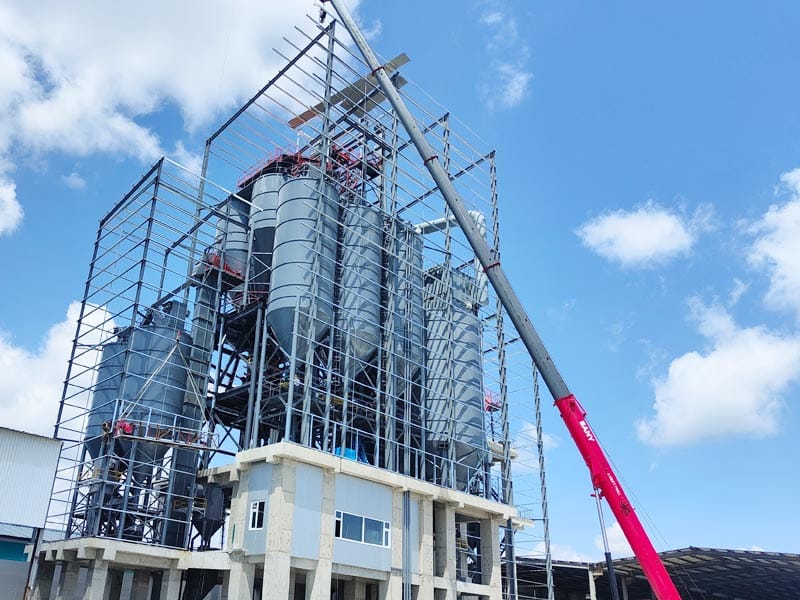
An integrated sand mortar plant is not simply a sand-making machine placed beside a dry mortar mixer. The value of integration comes from controlling the material between the two processes: particle size, powder content, moisture, storage, metering and the rate at which qualified sand is supplied to each mortar recipe. If the sand section produces […]
배치 플랜트 문제 해결: 증상별로 문제를 진단합니다
Batching plant troubleshooting is most effective when it starts with the production symptom rather than an assumption about the failed component. Low output, unstable weighing, inconsistent concrete, conveyor interruptions and discharge delays can each have several possible causes, and replacing a part before defining the symptom often wastes time. A better approach is to follow […]
벽 퍼티 생산 라인: 무엇을 먼저 지정해야합니까?
Wall putty production should begin with the products a factory intends to make, not with the mixer capacity printed on an equipment brochure. Interior putty, exterior putty, cement-based products and gypsum-based products can require different raw materials, additive handling, mixing sequences and packaging plans. That is why a wall putty production line should be specified […]