
Batching plant troubleshooting is most effective when it starts with the production symptom rather than an assumption about the failed component. Low output, unstable weighing, inconsistent concrete, conveyor interruptions and discharge delays can each have several possible causes, and replacing a part before defining the symptom often wastes time.
A better approach is to follow the material and control sequence. Check what the plant was asked to do, what actually happened, where the process stopped changing as expected, and which evidence supports the next inspection.
This guide explains a practical batching plant troubleshooting method for concrete production teams. It also shows what plant buyers should request in the equipment design so future faults are easier to isolate and correct.
Start Batching Plant Troubleshooting with the Production Symptom
A fault code is useful, but it should not replace observation. The same alarm can appear after different upstream events, and the same mechanical problem can create different production symptoms.
Begin batching plant troubleshooting by recording four things: what the operator saw, when it happened, which recipe or production condition was active, and whether the symptom repeats.
| Observed symptom | First system to check | Evidence to capture before changing settings |
|---|---|---|
| Batch cycle becomes slower | Feeding, weighing, mixing and discharge sequence | Stage timestamps, waiting alarms and material levels |
| Weight reading is unstable | Scale assembly, mechanical isolation and wiring | Empty reading, loaded reading and recent maintenance history |
| Concrete consistency changes | Aggregate moisture, water dosing and recipe execution | Moisture data, batch report and fresh-concrete test results |
| Aggregate transfer stops | Conveyor or skip-hoist sequence | Interlock status, motor status and receiving-hopper condition |
| Mixer does not discharge normally | Discharge gate, receiver readiness and residual material | Gate signal, air or actuator status and visual inspection under safe isolation |
This symptom-first method prevents batching plant troubleshooting from turning into random adjustment. Preserve the original evidence before resetting alarms or changing calibration values whenever it is safe and practical to do so. Good batching plant troubleshooting depends on keeping that first set of observations intact.
Low Plant Output: Find the Stage That Is Actually Waiting
When production falls below the expected rate, the mixer is not automatically the problem. A concrete plant is a sequence of storage, feeding, weighing, transfer, mixing and discharge operations. The slowest non-overlapping stage can limit the whole cycle.
For batching plant troubleshooting, compare actual timestamps for each stage. If aggregate weighing finishes on time but the mixer waits for powder, investigate powder feeding rather than mixer speed. If mixing is complete but discharge waits for a truck or receiving hopper, the downstream interface is the constraint.
Consider a hypothetical plant with a planned repeat cycle of 90 seconds. During production, the cycle increases to 120 seconds. If the mixer still completes its mixing step in the expected time but powder charging takes 30 seconds longer, changing mixer parameters will not restore output.
On a yana monteli bant beton karıştırma tesisi, aggregate moves through flat and inclined conveyors before reaching temporary storage above the mixer. On a yana monteli kova beton karıştırma tesisi, aggregate uses an intermittent skip-hoist route. Batching plant troubleshooting should therefore follow the actual feeding architecture instead of applying the same diagnosis to both configurations.
Unstable Weighing: Separate the Scale from the Feeding Process
Unstable or unexpected weight readings are a common batching plant troubleshooting symptom, but several different problems can produce them.
First determine whether the empty scale is stable. Then apply a known or controlled load where permitted by the test procedure. If the indication changes while the material mass is not changing, inspect the weighing assembly, supports, wiring and environmental influences.
If the scale itself is stable but automatic batching repeatedly overshoots or undershoots the target, the issue may be in the feeding sequence rather than the measuring element. Material in flight, valve response, feeder speed and controller cutoff settings all affect the final dose.
NRMCA'lar plant certification guidance requires verification of scales and volumetric batching devices within its program and distinguishes equipment verification from routine production operation. This is useful when building a batching plant troubleshooting process: confirm the measuring system before using calibration to compensate for a feeding fault.
Our concrete plant configurations use multi-point sensor arrangements and automated batching controls. Product features identify what to inspect, but a numerical accuracy claim should only be made using the specified test basis and project acceptance criteria.
Concrete Becomes Wetter or Drier: Check Moisture Before Changing the Recipe
When concrete consistency changes without an intentional recipe revision, batching plant troubleshooting should include aggregate moisture near the beginning of the investigation.
Sand can gain or lose surface moisture after rain, drainage, sun or stockpile movement. If the control system still uses an old moisture value, it can weigh the wrong wet aggregate quantity and add the wrong amount of separate water.
NRMCA guidance recommends verifying moisture-probe readings against aggregate moisture measurements using a representative sample taken close to the probe location.
İnceleme:
- the moisture value used for each aggregate fraction;
- the time and location of the latest reference test;
- the absorption values stored for the materials;
- the corrected wet aggregate targets;
- the corrected batch-water target;
- any manual water additions.
Our guide to aggregate moisture correction in concrete batching explains the calculation in detail. During batching plant troubleshooting, the key point is to confirm the material balance before changing the approved recipe to chase a symptom.
Aggregate Conveyor Problems: Diagnose Tracking, Loading and Interlocks Separately
For belt-fed plants, conveyor problems can appear as low production, material spillage, incomplete aggregate transfer or a sequence timeout.
Start batching plant troubleshooting by determining whether the belt is running, whether material is entering evenly and whether the receiving hopper is ready. Do not adjust belt tracking when the actual problem is an upstream gate that feeds one side more heavily.
Inspect the conveyor only under the site’s approved isolation and safety procedure. Look for material accumulation, damaged or seized rollers, unusual belt position and changes in tension. Record where the deviation starts rather than adjusting several idlers at once.
Our side-mounted belt configuration uses flat and inclined aggregate conveyors. That means a useful troubleshooting record should identify which conveyor section is affected, the material being transported and the production condition when the symptom appears.
If a belt trips only under heavy loading, compare motor current, loading pattern and material buildup with a normal cycle. A recurring overload deserves a root-cause investigation; repeatedly resetting a protection device does not establish that continued operation is safe. In batching plant troubleshooting, a repeated trip is evidence to investigate, not a normal operating step.
Skip Hoist Does Not Complete the Cycle: Follow the Lift Sequence
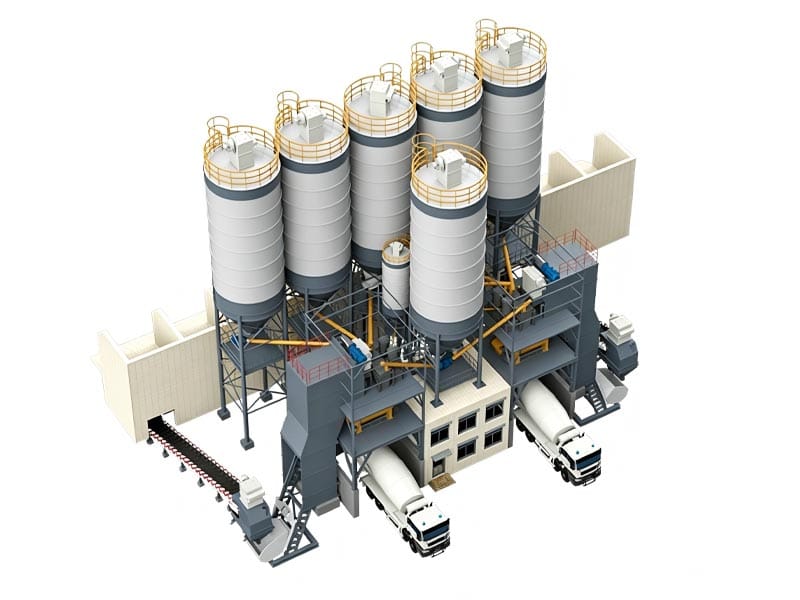
A skip-hoist system has a different diagnostic path from a belt conveyor. The lifting cycle depends on loading, travel, position confirmation, braking, discharge and safe return.
Our overhead and side-mounted bucket plants use synchronized dual-wire-rope lifting and multiple limit protections. On the havai kova beton karıştırma tesisi, the skip lifts aggregate vertically toward the mixer.
During batching plant troubleshooting, identify exactly where the sequence stops. Did the skip fail to receive a start command? Did it start but fail to reach the next confirmed position? Did it arrive but not discharge? Did the controller prevent the next movement because another interlock remained active?
Do not bypass a limit switch or lifting protection to keep production running. Lifting equipment requires qualified inspection and service according to the manufacturer’s instructions and applicable site rules.
The useful maintenance record should include the position, alarm, command state and physical condition observed before reset. That information makes repeat failures easier to diagnose and strengthens later batching plant troubleshooting.
Powder Feeding Takes Too Long: Check Flow Before Adjusting the Scale
Cement and other powders may arrive at the weighing hopper through screws, air-assisted chutes or other project-specific conveying arrangements. Slow powder dosing can increase cycle time even when the weighing scale itself is functioning correctly.
In batching plant troubleshooting, separate three questions:
- Is material leaving the storage silo?
- Is the conveying device moving the expected material flow?
- Does the final dosing valve stop at the required target?
Our bucket-plant configurations describe air-flotation powder conveying and dual butterfly valves for coarse and fine metering. If the coarse stage becomes unusually slow, inspect the material supply and conveying path before changing the fine-dosing parameters.
Powder moisture, compaction or buildup can also change flow. Inspect only through approved access points under safe isolation. Do not strike, enter or open pressurized or loaded equipment without the required procedure.
Mixer Overload or Abnormal Current: Look Upstream and Inside the Mixer
A mixer overload alarm should not automatically lead to a motor replacement. Batching plant troubleshooting should first determine whether the mixer received the intended batch, whether the concrete was unusually stiff, and whether hardened material or mechanical interference increased resistance.
Compare the batch record with a normal batch. Confirm aggregate, powder and water quantities. Check whether the feeding sequence delivered two batches or an excessive quantity before the previous discharge was complete.
After safe isolation, qualified personnel can inspect mixing tools, liners and material buildup according to the equipment manual. Our mobile batching plant uses twin-shaft forced mixing, while the prefabrik beton santrali uses planetary mixing and multiple discharge doors. The inspection points therefore differ by mixer architecture.
Use operating current as evidence, not as the diagnosis itself. High current can indicate excessive load, mechanical resistance or another electrical or drive issue. Qualified personnel should compare the measured condition with the equipment’s approved operating data.
Discharge Is Slow or Incomplete: Check the Receiver as Well as the Gate
When a mixer does not discharge on schedule, the gate actuator is only one possible cause. Some plants deliberately prevent discharge until the truck, bucket or downstream hopper is ready.
Batching plant troubleshooting should therefore check the complete discharge permissive sequence. Is the receiver in position? Is the discharge command issued? Does the gate position change? Does concrete physically leave the mixer at the expected rate?
Residual hardened material, an obstructed chute or a receiving hopper that is already full can create a similar production symptom.
For precast production, multiple discharge doors can support different routes, but the control system still needs to know which destination is available. A delayed casting station may appear to the operator as a mixer delay even when the mixer itself is healthy.
This is why a troubleshooting screen should show both equipment status and downstream permissives where practical.
Pneumatic Devices Move Slowly: Verify the Air System Before Replacing Actuators
Many batching plants use pneumatic cylinders and valves for gates, dosing and discharge functions. When these devices become slow or fail to reach position, the actuator may not be the root cause.
Batching plant troubleshooting should first verify the compressed-air supply condition specified for the equipment. Check whether the problem affects one device or several. A plant-wide symptom suggests a common supply issue; a single-device symptom narrows the investigation.
Inspect filters, regulators, tubing, fittings, solenoid valves and mechanical movement according to the maintenance documentation. Water contamination, leakage or restricted flow can affect pneumatic response.
Never increase pressure above the approved equipment setting simply to make a slow cylinder move faster. The operating range belongs to the equipment design and should be confirmed from the supplied documentation.
Dust Collector Alarms or Poor Extraction: Separate Capture from Filtration
Dust problems can arise because dust is not captured at the source, because airflow is insufficient, because filters are restricted, or because the collected material cannot discharge correctly.
For batching plant troubleshooting, inspect the system as a flow path. Start at the dust-generating point and follow the duct to the collector and discharge.
A visibly dusty area does not automatically prove the filter element has failed. An open connection, damaged duct, poor hood position or incorrect airflow can create the same symptom.
Where pulse-cleaned filtration is used, check the cleaning system and compressed-air supply according to the manufacturer’s instructions. If differential-pressure monitoring is provided, compare the reading with the approved operating range rather than using a generic limit from another collector.
Our concrete plant products incorporate dust-control arrangements around powder handling. The final configuration depends on the selected plant and project, so troubleshooting should follow the actual installed duct and collector layout.
Electrical or Control Alarm: Preserve the Sequence Before Restarting
Modern batching plant troubleshooting depends heavily on the control system because the controller knows what command was sent and which feedback signal was expected.
Before restarting, record the alarm text, timestamp, recipe, batch number and machine state. Check whether the alarm is the first event or a consequence of an earlier fault.
For example, a mixer-start timeout may occur because an upstream interlock did not clear. A conveyor alarm may appear after the mixer stops accepting aggregate. The final alarm on the screen is not always the first cause.
Trend or event-history functions can make these relationships visible. During plant procurement, ask whether the control system records alarms, commands, measured values and manual overrides in a form that can be reviewed later.
Qualified electrical personnel should investigate unstable power, damaged wiring, failed sensors and control components. Do not bypass protective circuits or interlocks as part of routine batching plant troubleshooting.
Use a Symptom Matrix Instead of Replacing Parts by Guesswork
A symptom matrix helps operators decide what evidence to collect before escalating the problem.
| Symptom | Possible systems involved | Useful first evidence |
|---|---|---|
| Cycle time increases | Feeding, weighing, mixer, discharge, receiver | Stage-by-stage timestamps |
| Batch weight drifts | Scale, feeder, material buildup, wiring | Empty stability and reference-load check |
| Concrete suddenly wetter | Aggregate moisture, water dosing, manual addition | Moisture and batch-water records |
| Aggregate not reaching mixer | Gate, conveyor or skip, interlocks | Motor state, position signals and hopper levels |
| Mixer current increases | Batch load, concrete consistency, buildup, drive | Batch record and current trend |
| Discharge delay | Gate, receiver, chute, control permissive | Command, feedback and receiver-ready signal |
The matrix does not identify the failed component by itself. It organizes batching plant troubleshooting so each inspection reduces uncertainty. That disciplined batching plant troubleshooting process is more reliable than replacing parts from a single symptom.
Know When to Stop Production
Troubleshooting should never require operators to defeat safety systems or continue running equipment that may create an unsafe condition or damage the plant.
Stop and escalate according to the site procedure when there is uncontrolled mechanical movement, damaged lifting equipment, serious electrical concern, structural damage, abnormal drive noise, a failed safety interlock, or another condition identified by the equipment manual or responsible engineer.
Likewise, stop producing concrete when the plant cannot demonstrate that batching quantities or water control meet the applicable project requirements.
Production pressure is not evidence that a fault is minor. A good batching plant troubleshooting procedure defines both the inspection steps and the conditions that end operator-level troubleshooting.
Design the Plant So Future Troubleshooting Is Easier
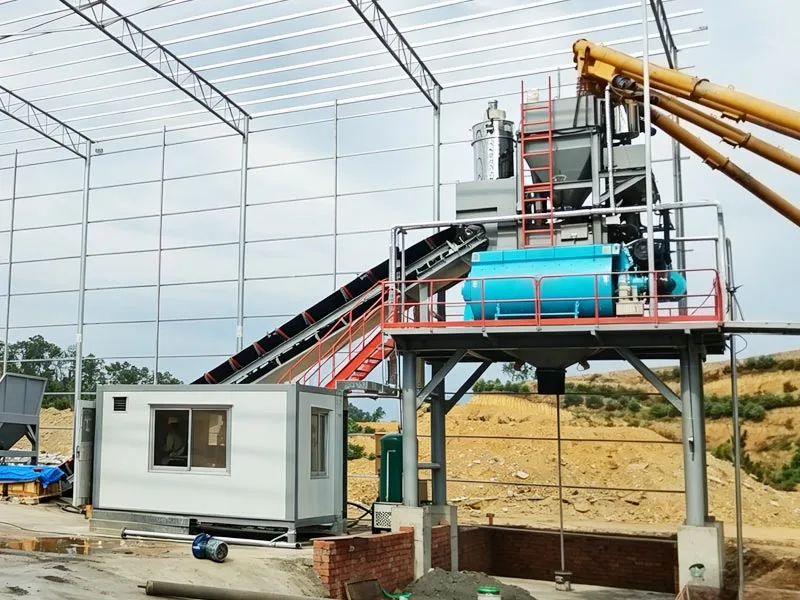
Troubleshooting starts during procurement. Equipment access, sensor placement, inspection openings, alarm history and batch records determine how easily a production team can investigate problems later.
Bizim customized concrete plant configuration service allows site layout and equipment arrangement to be reviewed against production requirements. During that review, include maintenance and diagnostic access rather than focusing only on capacity and footprint.
Ask for:
- equipment and instrumentation lists;
- electrical and control drawings;
- alarm descriptions;
- recommended inspection points;
- weighing verification procedures;
- maintenance access requirements;
- spare-parts identification;
- batch and event-record functions.
Our existing guide to preventive batching plant maintenance complements batching plant troubleshooting by focusing on planned inspection before symptoms interrupt production.
Sonuç
Batching plant troubleshooting works best when the team diagnoses the production sequence rather than guessing which component has failed. Begin with the symptom, preserve evidence, follow the material and control path, and change one justified variable at a time.
Low output may originate in feeding or downstream waiting. Unstable weighing may be mechanical, electrical or dosing-related. Concrete consistency may change because aggregate moisture changed, not because the mixer did. The purpose of troubleshooting is to separate those possibilities efficiently and safely.
If you are planning or reviewing a concrete plant, send your configuration, production requirements and site conditions through our i̇letişim sayfası. A plant designed with accessible equipment, useful control records and clear interfaces is easier to operate and easier to diagnose when production changes.
SSS
What is the first step in batching plant troubleshooting?
Record the exact production symptom before changing settings. Note the batch, time, active recipe, alarms and stage where the sequence stopped behaving normally. This evidence helps identify which system should be checked first.
Why does a batching plant suddenly produce inconsistent concrete?
Possible causes include changed aggregate moisture, incorrect water adjustment, dosing error, recipe change, material variation or mixing issues. Check batch records and moisture data before assuming the mixer is responsible.
Why does a batching plant cycle become slower?
The limiting stage may be aggregate feeding, powder dosing, weighing, mixing, discharge or downstream receiver availability. Compare stage timestamps to identify where extra waiting time is entering the cycle.
What causes unstable batching plant scale readings?
Possible causes include mechanical interference with the weighing hopper, material buildup, wiring problems, sensor issues, vibration or environmental effects. Verify the measuring system before altering dosing parameters.
When should operators stop troubleshooting and call maintenance personnel?
Escalate when the fault involves safety systems, electrical hazards, lifting equipment, structural damage, abnormal mechanical conditions, repeated protection trips or any work requiring access beyond the operator’s authorized procedure.


