Postrojenje za suhi mortar
- Home
- Postrojenje za suhi mortar
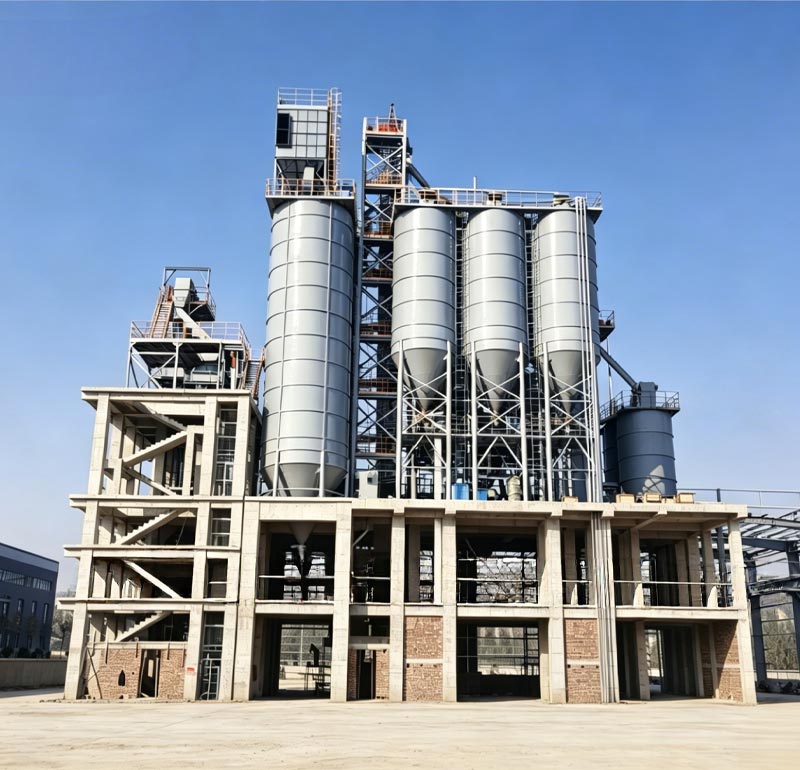
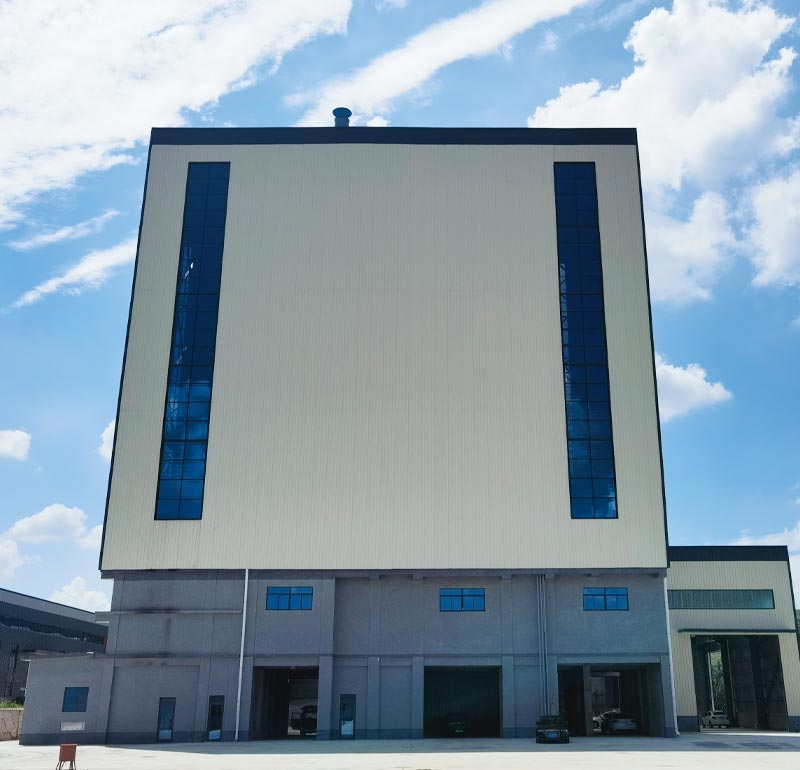
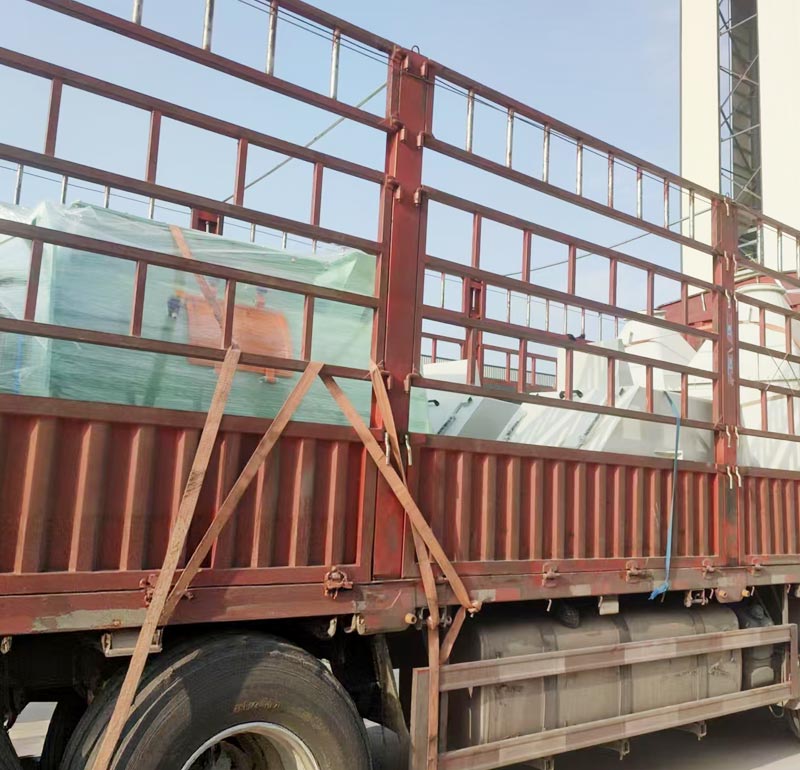
Toranj Tip Suha Mort Miješanje Plant
- Projekt: Proizvodna linija s godišnjom proizvodnjom od 300.000 tona materijala za injektiranje u Abu Dhabiju, Ujedinjeni Arapski Emirati
- Konfiguracija: VK100+GSW6000
Infrastrukturni projekti velikih razmjera u Abu Dhabiju su intenzivni, i visokotemperaturno okruženje zahtijeva izuzetno visoku temperaturnu otpornost i šaržnu stabilnost materijala za injektiranje.Izvorna proizvodna linija kupca nema dovoljan proizvodni kapacitet, visoka potrošnja energije, i ne može se prilagoditi lokalnom izvoru pustinjskog pijeska. Raspored u stilu tornja koristi gravitaciju da teče sam od sebe, s najmanje prometnih veza, a sveobuhvatna potrošnja energije je smanjena do 20%.Vk100 sustav za izradu pijeska obrađuje lokalni pustinjski pijesak u visokokvalitetne agregate, sa stabilnim i podesivim modulom finoće od 2,2~3,0, što rješava problem visoke cijene uvoznog pijeska.Cijeli sustav je potpuno automatski kontroliran od strane PLC-a, aditivna točnost šaržiranja je ±0.1%, a godišnja proizvodnja iznosi 300 000 tona materijala za fugiranje visoke čvrstoće, a konzistencija serije daleko premašuje zahtjeve europskih i američkih standarda.Potpuno zatvorena i negativna proizvodnja tlaka, emisija prašine ≤10mg/m3, uspješno prošao lokalno prihvaćanje zaštite okoliša. Oprema je u neprekidnom radu više od 6 mjeseci nakon puštanja u pogon, a kvaliteta proizvoda je stabilna, što kupci jako hvale.
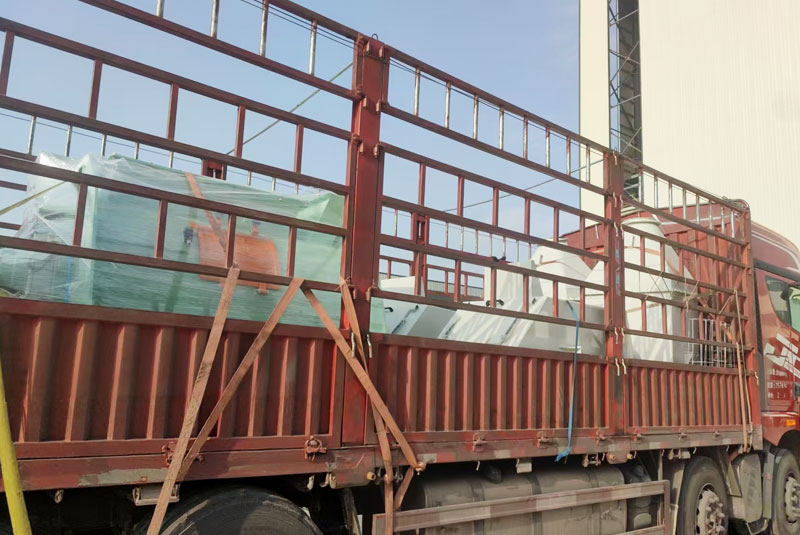
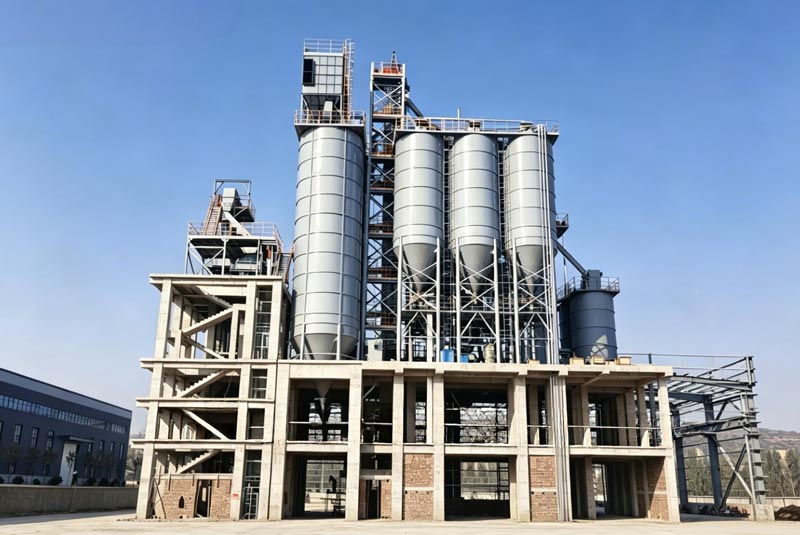
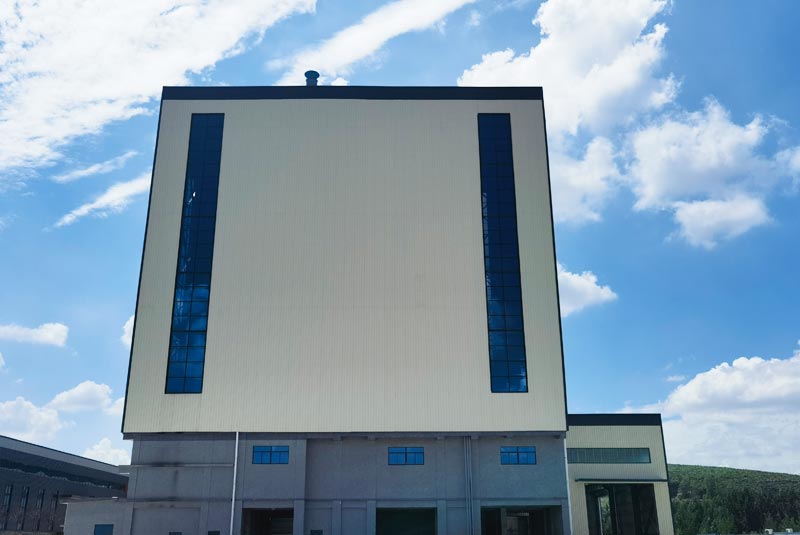
Toranj Tip Suha Mort Miješanje Plant
- Projekt: Proizvodna linija s godišnjom proizvodnjom od 300.000 tona materijala za injektiranje u Abu Dhabiju, Ujedinjeni Arapski Emirati
- Konfiguracija: VK100+GSW6000
Infrastrukturni projekti velikih razmjera u Abu Dhabiju su intenzivni, a visokotemperaturno okruženje zahtijeva izuzetno visoku temperaturnu otpornost i stabilnost šarže materijala za fugiranje. Kupčeva originalna proizvodna linija nema dovoljan proizvodni kapacitet, veliku potrošnju energije i ne može se prilagoditi lokalnom izvor pustinjskog pijeska.
Raspored u stilu tornja koristi gravitaciju da teče sam od sebe, s najmanje prometnih veza, a sveobuhvatna potrošnja energije smanjena je za 20%. VK100 sustav za izradu pijeska obrađuje lokalni pustinjski pijesak u visokokvalitetne agregate, sa stabilnim i podesivim modulom finoće od 2,2~3,0, što rješava problem visoke cijene uvezenog pijeska. Cijeli sustav potpuno automatski kontrolira PLC, aditivna točnost šarže je ±0,1%, a godišnja proizvodnja je 300 000 tona materijala za injektiranje visoke čvrstoće, a konzistencija serije daleko premašuje zahtjeve europskih i američkih standarda. Potpuno zatvorena i negativna proizvodnja tlaka, emisija prašine ≤10 mg/m3, uspješno je prošla lokalno prihvaćanje zaštite okoliša.
Oprema je u neprekidnom radu više od 6 mjeseci nakon puštanja u pogon, a kvaliteta proizvoda je stabilna, što kupci jako hvale.
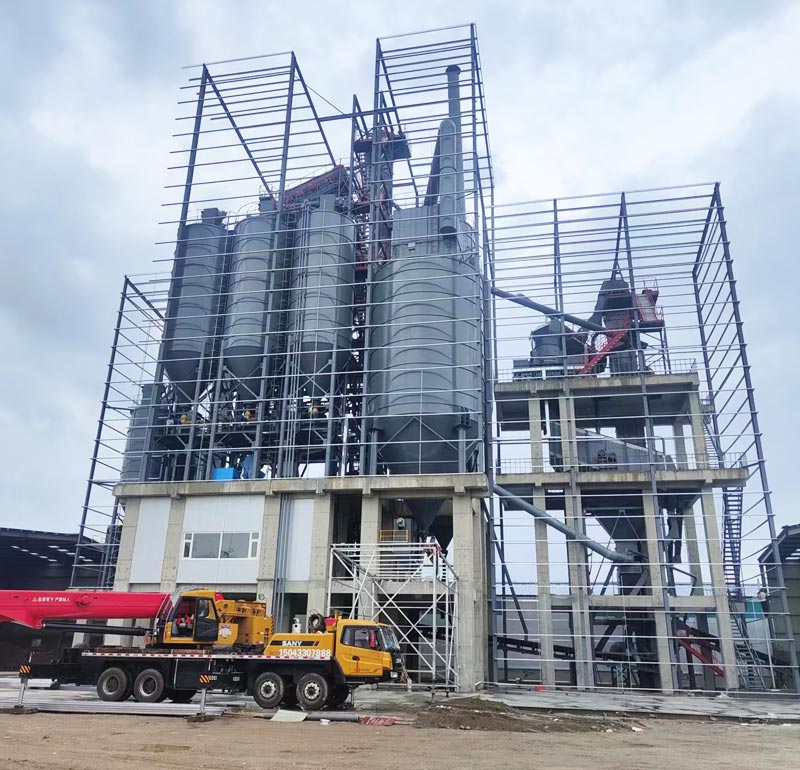
Korak Tip Suha Mort Miješanje Plant
- Projekt: Jakarta, Indonezija, s godišnjom proizvodnjom od 300.000 tona proizvodne linije suhog morta
- Konfiguracija: GSW6000
Tijekom vrhunca indonezijske infrastrukture, potražnja za mortom je porasla. Kupci se suočavaju s tri velika problema: tropska klima visoke vlažnosti dovodi do velikih fluktuacija u sadržaju vlage u sirovinama, ograničenih početnih ulaganja i čestih promjena zidova/žbukanja/termalne izolacije/ljepilo za keramičke pločice/putty powder i druge kategorije.
Stepenasti poluvertikalni raspored dovršava protok materijala kombinacijom gravitacije i pužnog prijenosa.Slojeviti dizajn platforme smanjuje ulaganja u građevinarstvo za 40% u usporedbi s tradicionalnim tipom tornja, a kasnije održavanje i proširenje su prikladniji.GSW6000 inteligentni sustav upravljanja podržava prebacivanje s jednim ključem 20+ recepata, točnost sastojaka aditiva je ±0,1%, a ujednačenost miješanja je ≥99,5%. Za rad cijele linije potrebno je samo 2~3 osobe/smjena.
Otkako je proizvodna linija puštena u rad, paralelno se proizvodi više kategorija zidarskog morta, žbukanog morta, ljepila za keramičke pločice itd., a stabilnost opreme prepoznali su kupci.
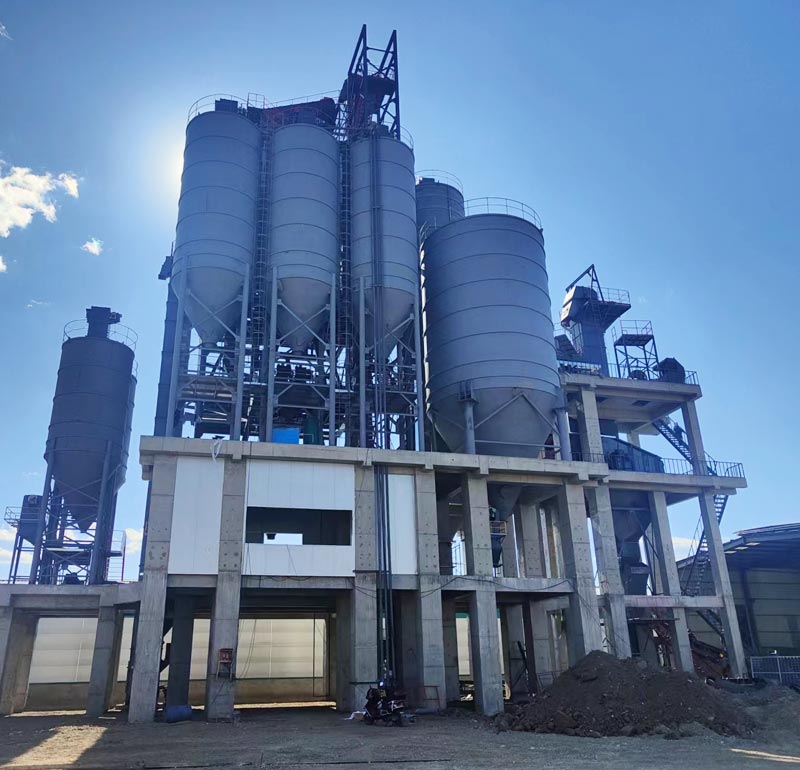
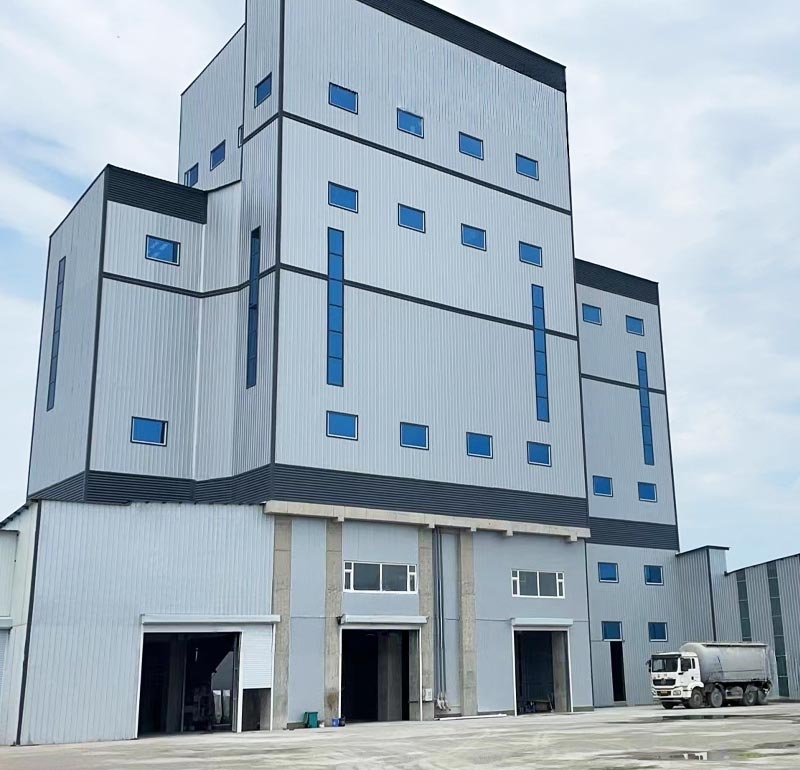


Radionica Tip Suha Mort Miješanje Plant
- Projekt: Posebna linija za proizvodnju suhog morta s godišnjom proizvodnjom od 300.000 tona u Accri, Gana
- Konfiguracija: Dvožilni GSW4000 specijalni mort proizvodna linija
Gana građevinskog materijala tržište je u brzom povojima Lokalna potražnja za visokokvalitetnim posebnim suhi mort (zidarski mort, žbukanje mort, keramičke pločice ljepilo, itd) i dalje raste, ali lokalni proizvodni kapacitet je ozbiljno nedostatan i dugoročna ovisnost o uvozu, investicijski proračun kupca je ograničen, a on se nada da će početi proizvodnju što je prije moguće da se uhvati prozor tržišta.
Projekt usvaja dvolinijsku shemu GSW4000, a dvije proizvodne linije su raspoređene paralelno, Može istovremeno proizvoditi različite vrste specijalnih mortova kako bi se postigla diversifikacija proizvoda, a također može raditi pri punom opterećenju na jednoj liniji kako bi se osigurala fleksibilnost proizvodnog kapaciteta.Radionički raspored integrira svu opremu u standardnu tvorničku zgradu bez potrebe za infrastrukturom čeličnih konstrukcija velikih razmjera.Projekt je započeo u travnju 2022. i dovršen je i pušten u rad u lipnju 2022. u samo dva mjeseca.Brzina izgradnje daleko je premašila očekivanja kupaca.Konfiguracija s dvije žice također donosi prednost rada i redundancije održavanja - jedna linija nastavlja s radom dok se druga linija remontuje, maksimizirajući ciklus isporuke.Potpuno zatvoreni dizajn podtlaka, emisija prašine ≤10 mg/m3, kako bi se zadovoljili lokalni zahtjevi zaštite okoliša.
Nakon što je proizvodna linija dovršena, može proizvesti godišnju proizvodnju od 300.000 tona visokokvalitetnog posebnog suhog morta, učinkovito popunjavajući prazninu na lokalnom tržištu i pomažući kupcima da brzo uspostave prednosti marke i tržišni udio.
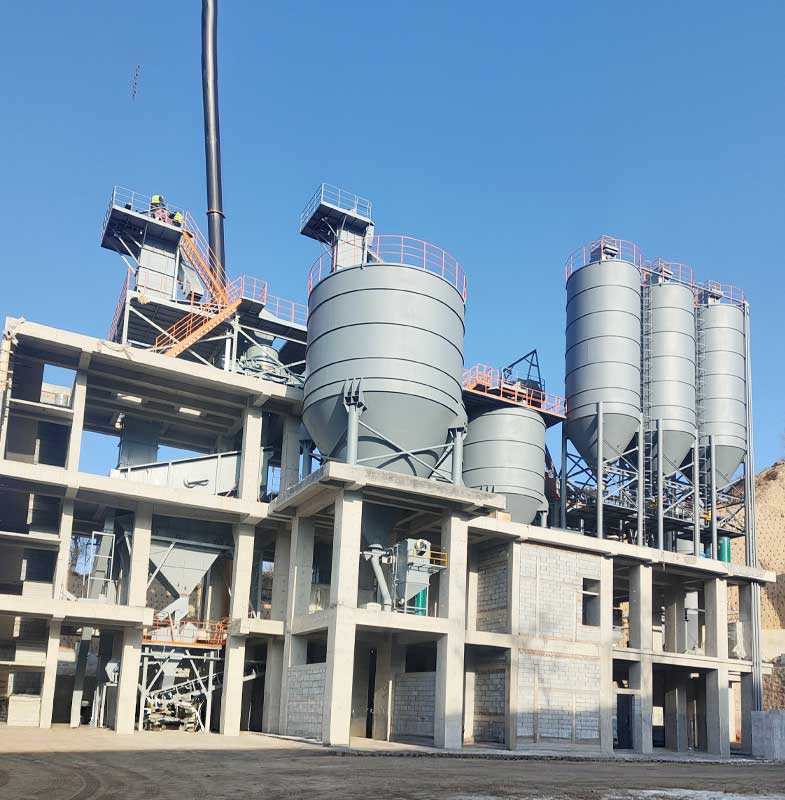
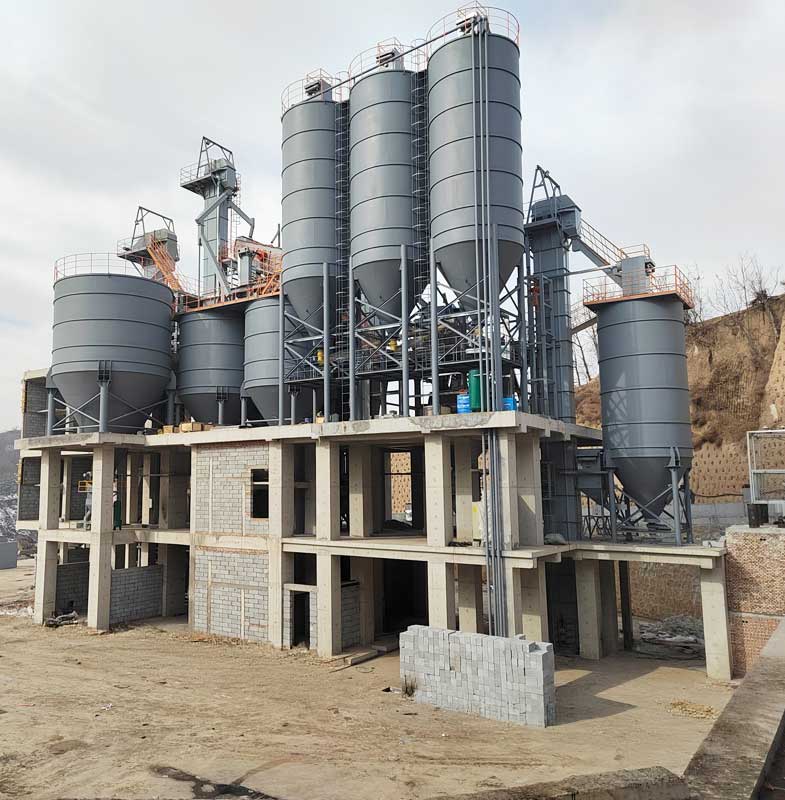
Integrirano postrojenje za ultrafini pijesak i specijalne žbuke
- Projekt: Taškent, Uzbekistan, s godišnjom proizvodnjom od 300.000 tona proizvodne linije suhog miješanog morta
- Konfiguracija: VK100+GSW6000
Potražnja za visokokvalitetnim mehaniziranim pijeskom i suho miješanim mortom na tržištu srednje Azije istovremeno raste. Kupci moraju riješiti dvije glavne proizvodne veze izvora pijeska i morta u isto vrijeme, ali zemljište je ograničeno, a zahtjevi zaštite okoliša strogi.
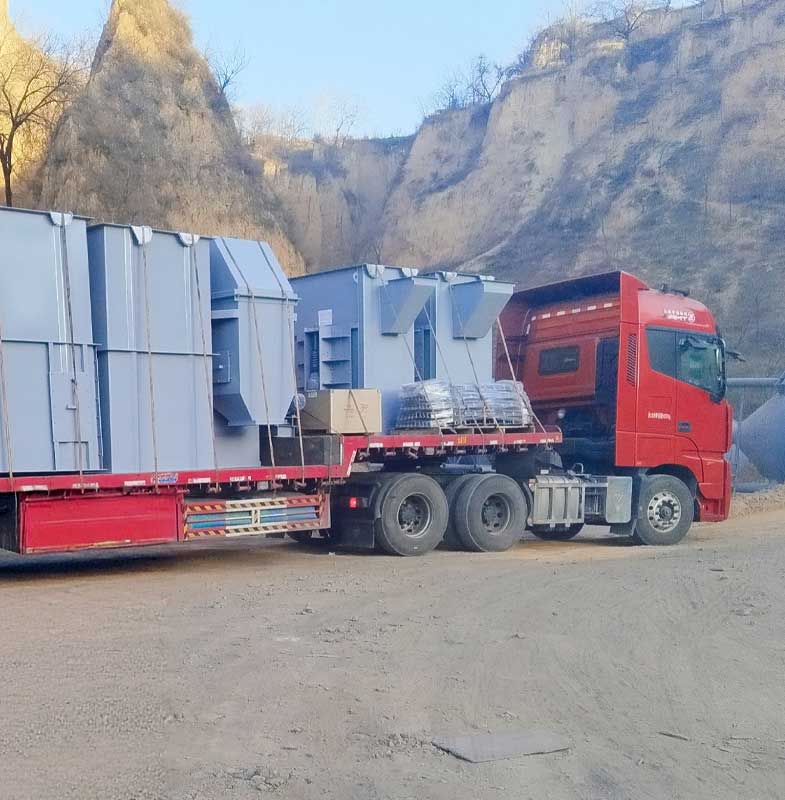
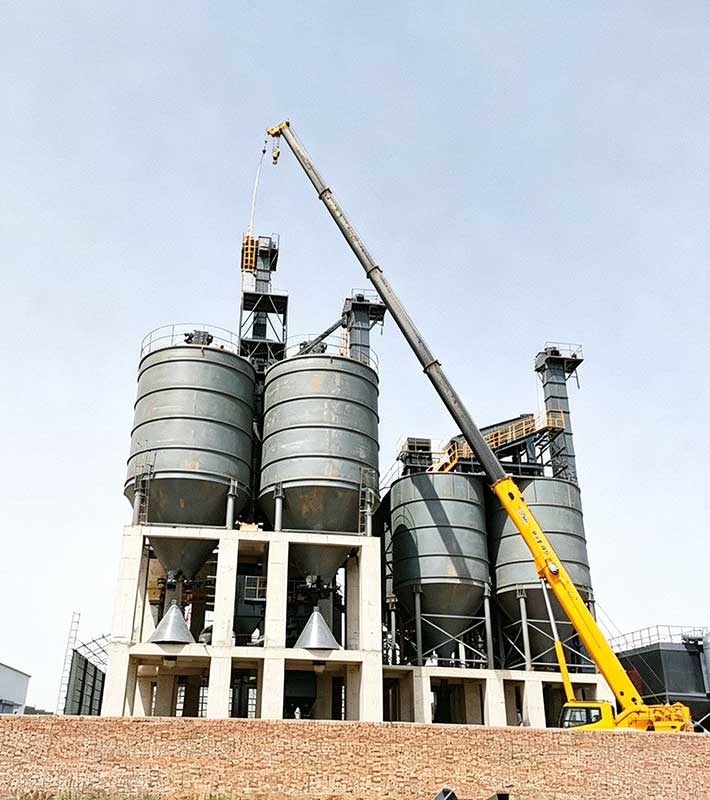
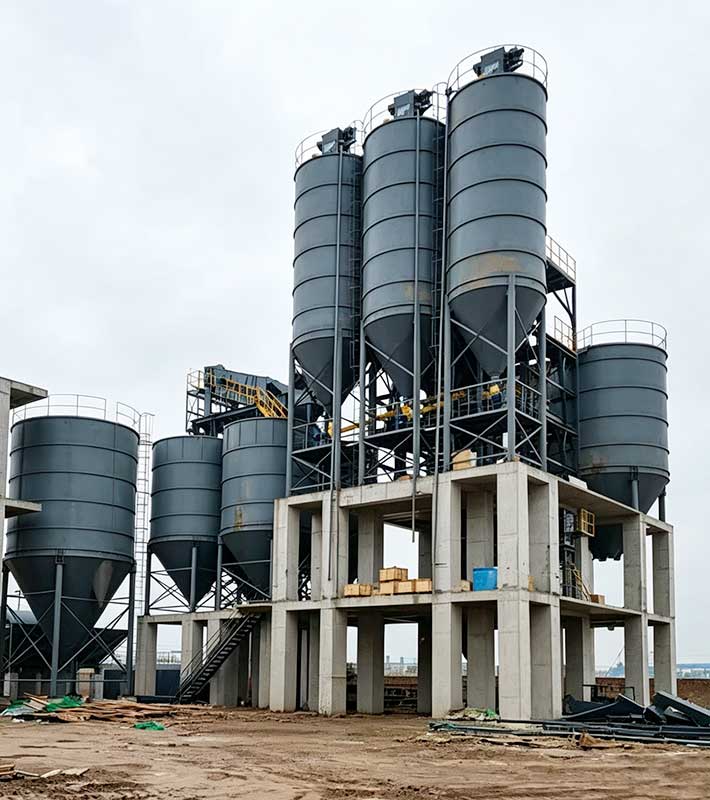
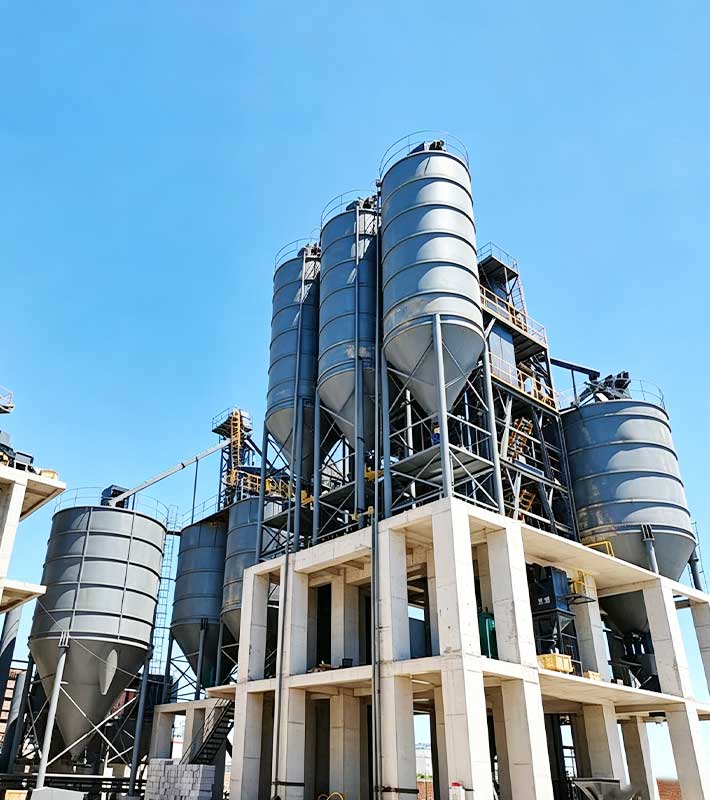
Projekt integrira sustave za izradu pijeska i morta na istoj proizvodnoj liniji podnog tipa.Fini pijesak proizveden sustavom za izradu pijeska VK100 izravno je povezan sa sustavom morta GSW6000, eliminirajući srednje transportne veze.Modul finoće mehanizma pijeska koji proizvodi petokanalni rotor je 2,2~3,0, a sadržaj praha je 3%~15%, što je točno i kontrolirano, pružajući stabilan i visokokvalitetan izvor pijeska za mort.Kompaktni tlocrt zgrade pokriva površinu od samo 300 kvadratni metri, što štedi polovicu zemljišta u odnosu na split dvolinijski.Cijeli proces uklanjanja prašine pod negativnim tlakom ispunjava zahtjeve zaštite okoliša središnje Azije.
Godišnja proizvodnja cijele linije je 300,000 tona, pijesak vlastite proizvodnje smanjuje troškove sirovina za više od 30%, a PLC automatska kontrola zahtijeva samo 2~3 osobe/smjena.Kupac je realizirao kompletan industrijski lanac izrade pijeska + mort“, s dvostrukim prednostima kvalitete i cijene.
Proizvedeni pijesak Proizvodnja linija
- Projekt: Inteligentna linija za proizvodnju pijeska u Almatyju, Kazahstan
- Konfiguracija: Daljinski inteligentni sustav upravljanja
Potražnja za pijeskom i šljunkom porasla je tijekom vrhunca infrastrukture u srednjoj Aziji, ali lokalno područje suočava se s ozbiljnim izazovima: mjesto za prašenje pijeska je prašnjavo, okoliš je surov, a postoji i ozbiljan nedostatak kvalificiranih operatera; alpska klima (zima -30°C) dovodi do čestih kvarova i gašenja tradicionalne opreme; kvaliteta gotovog pijeska jako varira, a kvalitetu nizvodnog betona teško je jamčiti.
Naša tvrtka je izgradila potpuno zatvoreni inteligentni sustav za izradu pijeska za ovog kupca, sa centralizirano daljinsko upravljanje pomoću PLC-a, a operater može pratiti sve radne parametre u stvarnom vremenu u središnjoj kontrolnoj sobi. Nema potrebe za osobljem na licu mjesta, a troškovi rada smanjeni su za 60%.Cijeli proces uklanjanja prašine pod negativnim tlakom, ispuštanje prašine ≤10mg/m3, potpuno riješiti zagađenje prašinom.Petokanalni rotor opremljen je hidrauličkim poklopcem za održavanje podizanja, a dijelovi otporni na habanje okrenuti su gore-dolje za ponovnu upotrebu, trošenje je smanjeno za više od 30%, a troškovi rada i održavanja uvelike su smanjeni.Sustav automatski stabilizira modul finoće na 2.6±0,2, i dosljednost kvalitete gotovog pijeska kontinuirano je prepoznata od strane nizvodnih komercijalnih betonskih postaja.
Linija za proizvodnju pijeska postala je referentni projekt za inteligentnu proizvodnju pijeska u srednjoj Aziji.